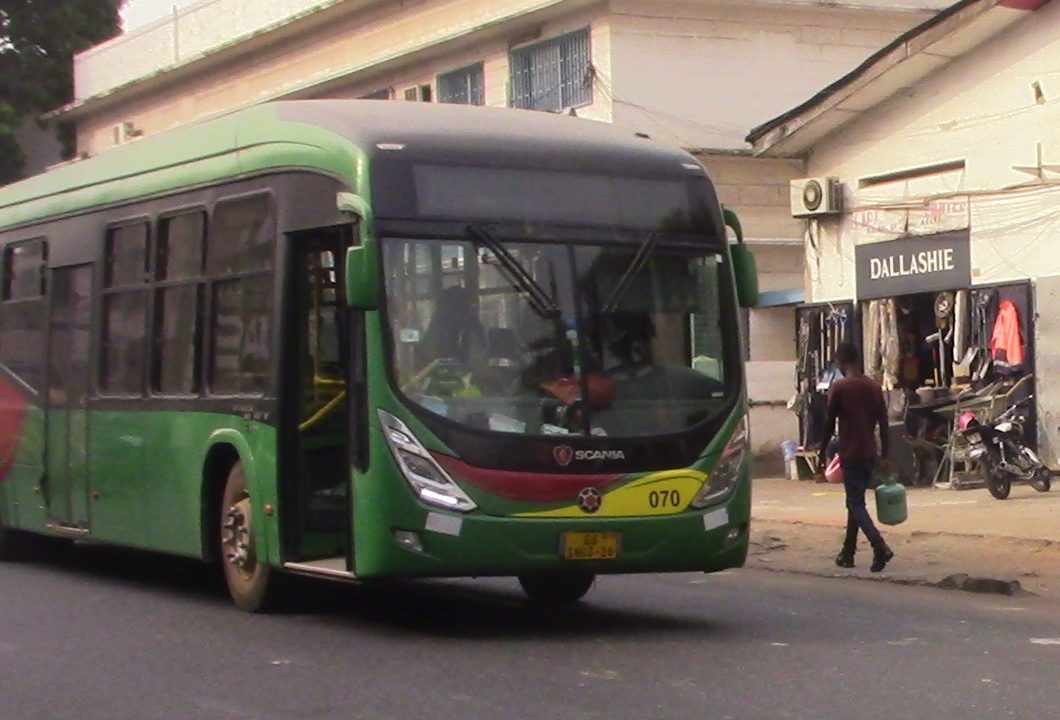
On 25 November 2016, Accra’s new blue buses rolled out on dedicated lanes. Two years later, many of them were parked.
Aayalolo, a bus rapid transit system backed by the World Bank, was meant to transform commuting in Accra. It began running from central Accra to Amasaman and Ofankor on the busy northern corridor. But low ridership, financial losses and complaints from drivers about unpaid salaries led to a halt in operations in October 2018.
The idea
Bus rapid transit uses large buses running on dedicated lanes, with fixed stops and scheduled services, to move many people quickly and cheaply. Cities such as Lagos, Dar es Salaam and Bogotá have used it to relieve congestion. For Accra, where most commuters rely on tro-tros stuck in the same traffic as private cars, the idea was to offer a faster, more reliable alternative.
What went wrong
Several problems combined. The dedicated lanes were not fully protected, so tro-tros, taxis and private cars used them, slowing the buses. Many passengers did not switch from tro-tros, which stop anywhere and run on familiar routes. The fare structure and funding model left the operator with losses. When wages went unpaid, drivers protested, and services stopped.
Partial return
In April 2019, the Greater Accra Passenger Transport Executive resumed partial operations on a different corridor, including routes towards Kasoa, with a changed operating model. Critics said the service had been reduced to ordinary buses on regular roads rather than true rapid transit.
A new push
In September 2026, Transport Minister Mahama Ayariga spoke about plans to expand Aayalolo and assured tro-tro operators that the expansion would not collapse their business. The comments reflected a sensitive balance: any serious public transport system in Accra must work alongside the thousands of tro-tro operators who move most of the city’s commuters.
The lessons
The first attempt left clear lessons: protect the bus lanes, integrate the system with existing tro-tro routes, keep fares affordable and secure stable funding for operations and maintenance. Without those, new buses become expensive vehicles sitting in depots.
Why it matters
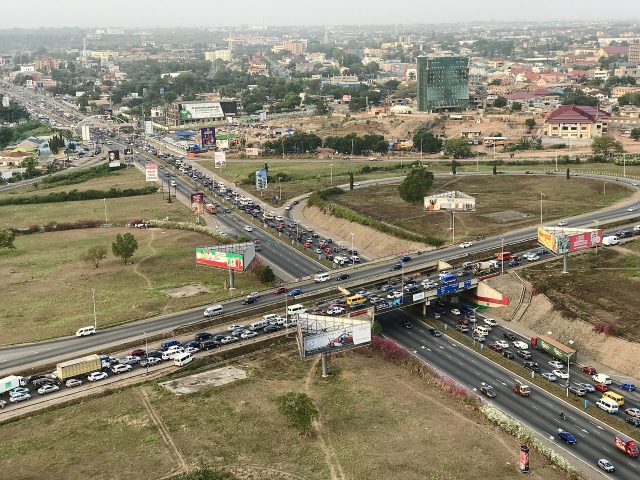
Accra’s traffic costs commuters hours every day, hurts businesses and pollutes the air. A working mass transit system could change daily life for millions. The first version of Aayalolo showed how hard that is to build.
What Lagos did
Lagos offers the nearest comparison. Its BRT Lite scheme launched in 2008 on the Ikorodu Road corridor, and although it has faced its own problems, it has carried large numbers of passengers for years and expanded over time. Supporters of an Accra system often point to Lagos as proof that bus rapid transit can work in a West African city, provided the lanes are enforced and the buses run reliably.
The blue buses were meant to beat Accra’s traffic. The next version will need to beat its politics too.