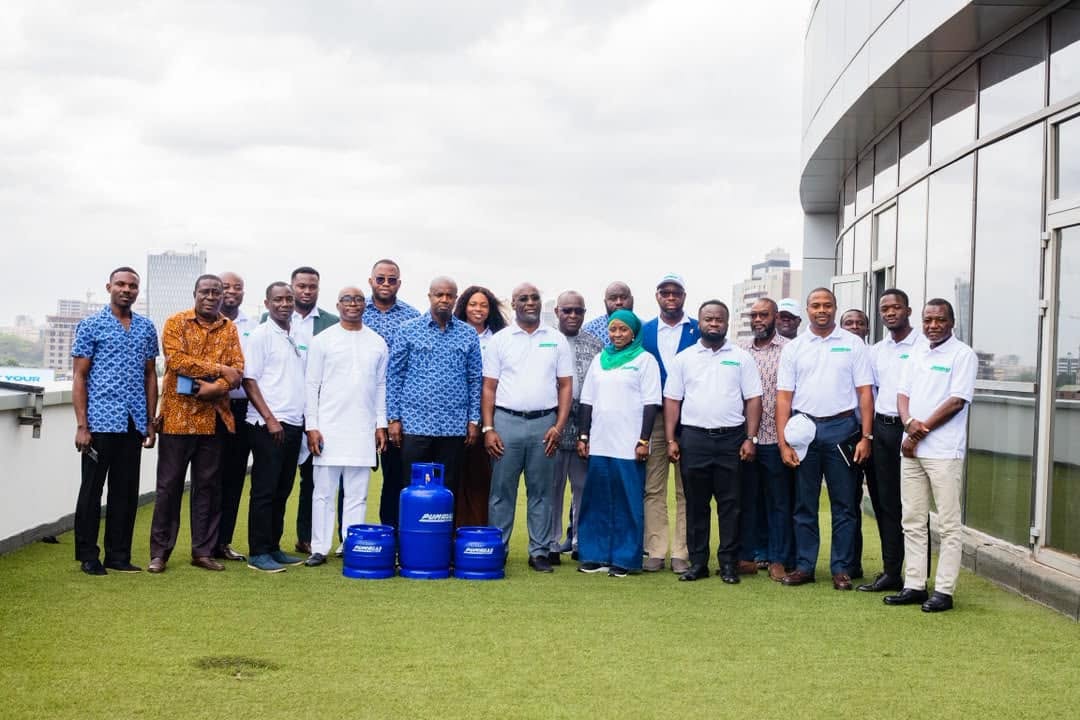
The National Petroleum Authority (NPA) has promised strong regulatory support as Puma Energy Ghana steps up its investment in the country’s Liquefied Petroleum Gas (LPG) sector with new branded cylinders. On Monday, September 28, 2026, a delegation from Pumagas, Puma Energy’s subsidiary, led by General Manager Lanzeni Coulibaly, met with NPA Chief Executive Godwin Kudzo Tameklo to introduce the company and some of its distributors.
During the meeting, Puma Energy presented its new LPG cylinders to Mr Tameklo. These cylinders are part of the company’s efforts to expand its role in the Cylinder Recirculation Model (CRM), a government-backed initiative aimed at increasing access to safe and reliable LPG for consumers. The CRM also supports Ghana’s target of reaching 50 per cent LPG penetration by 2030, an effort to promote cleaner cooking fuels across the country.
Mr Tameklo emphasized the importance of a transparent and responsive regulatory environment for investors like Puma Energy. He said the NPA would continue to support legitimate players in the petroleum sector to encourage sustainable investment. “Effective collaboration between the regulator and industry is important to the successful implementation of the CRM,” he said.
Puma Energy’s move comes as Ghana pushes to expand LPG use beyond urban centres and reduce reliance on traditional fuels like wood and charcoal. The Cylinder Recirculation Model requires companies to supply branded cylinders and manage their return and refilling, improving safety and reducing cylinder losses. By introducing new cylinders under this model, Puma Energy is aiming to strengthen its presence in the downstream LPG market.
The NPA has overseen the CRM since its launch, setting standards and monitoring compliance to ensure consumers have access to quality LPG products. The authority’s regulatory support includes licensing, safety inspections, and consumer protection measures. With Puma Energy’s investment, the sector may see increased competition and innovation, which could drive better services and wider LPG access.
Pumagas’ presentation to the NPA also served to formally introduce the company’s network of distributors and dealers. This signals Puma Energy’s readiness to expand its distribution channels and reach more consumers. The company’s push aligns with national goals to improve energy access and public health by promoting cleaner cooking options.
The meeting reflects ongoing efforts to bring industry players and regulators closer to ensure smooth implementation of energy policies. It also underlines the government’s focus on LPG as a key component of Ghana’s energy mix and climate action plans.
As the 2030 LPG penetration target approaches, the success of the Cylinder Recirculation Model will depend on the participation of companies like Puma Energy and the regulatory framework the NPA maintains. The new cylinders Puma Energy introduced on September 28 will soon enter the market, contributing to the availability of safer LPG options for Ghanaian households.
The NPA’s promise of continuous regulatory backing aims to reassure investors that Ghana remains open for business in the downstream petroleum sector, even as it seeks to protect consumer interests and uphold safety standards. Puma Energy’s growing role in the LPG market shows the potential for private sector contributions to Ghana’s energy transition.
According to Joy Online.