In May 2021, a hashtag took over Ghanaian Twitter. Young people posted about fuel prices, unemployment, bad roads and taxes, all ending with the same demand: #FixTheCountry.
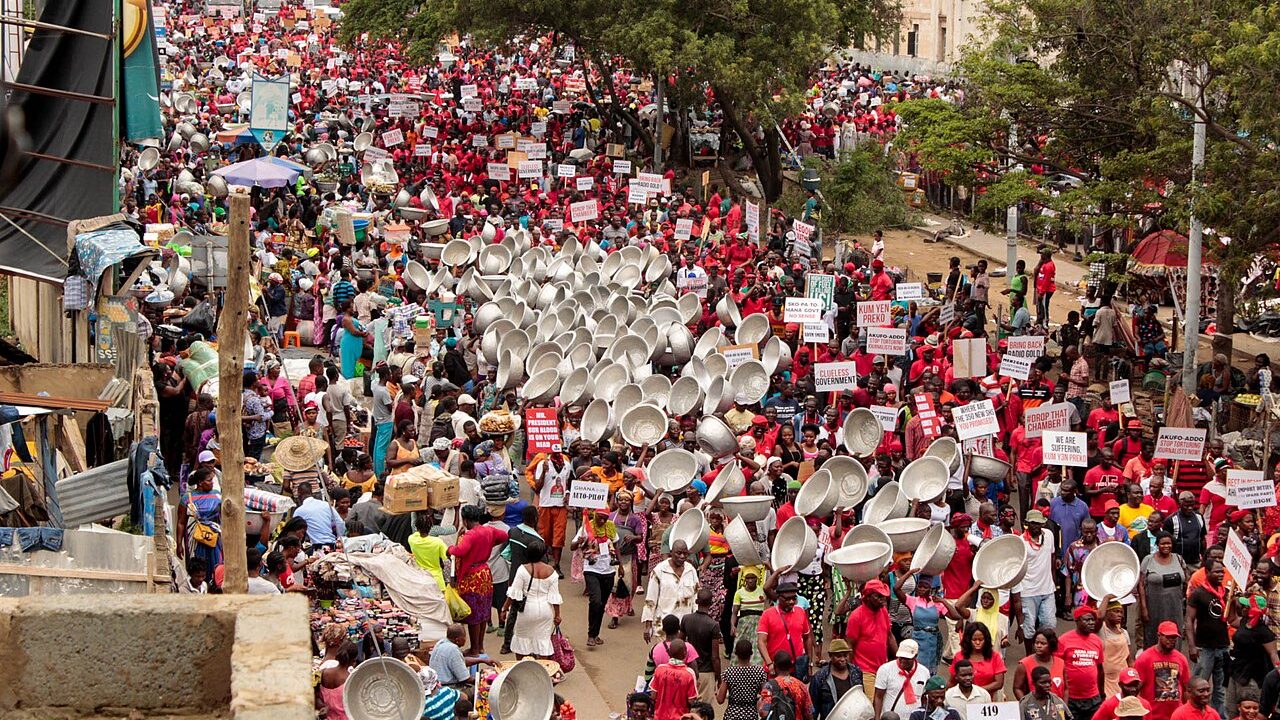
Within weeks, the online complaints had become a movement. On 4 August 2021, it moved from phones to the streets of Accra.
How it began
The campaign was started on Twitter by social media users including Joshua Boye-Doe, known as KalyJay, in response to rising fuel prices after new taxes. Others joined, and the hashtag trended for days.
The movement described itself as non-partisan. Its members said they were not supporting any party, only demanding better governance.
The demands
Supporters called for jobs, better roads, affordable fuel, lower taxes, improved schools and hospitals, and an end to corruption. Many posts were personal: graduates without work, roads that flooded, hospitals without beds.
Permission to march
The conveners planned a protest, but the police went to court to stop it, citing the COVID-19 restrictions at the time. After legal wrangling and negotiations over the route, the march went ahead.
4 August
On 4 August 2021, Founders’ Day, protesters dressed in red and black gathered in Accra. They carried placards with messages such as “corruption breeds poverty” and “fix our education system now”. The march was peaceful.
Beyond Accra
The movement had supporters across the country and in the diaspora, where Ghanaians abroad shared the hashtag and their own complaints about home. Rallies and discussions continued online and in person in the weeks after the Accra march.
The government’s response
Government officials said they understood young people’s frustrations but pointed to their programmes and blamed the pandemic for economic difficulties. Some supporters of the governing party dismissed the movement as opposition-driven, which its leaders denied.
What followed
Economic conditions worsened in 2022, with high inflation, a falling cedi and Ghana’s return to the IMF. Many of the complaints raised by #FixTheCountry became even more widely shared.
What it showed
The movement showed how young Ghanaians could organise online and bring their demands into public view. It also showed the limits of hashtags: frustration can trend quickly, but changing policy is slower.
The hashtag lives on
#FixTheCountry still appears whenever fuel prices rise or a road collapses. It has become part of the language Ghanaians use to talk about their government, whichever party is in power.