In June 2014, health workers in Accra began to see a rise in patients with severe diarrhoea and vomiting. Tests confirmed it: cholera. Within months, it had spread across most of Ghana.
The 2014 outbreak became Ghana’s worst in three decades. The country recorded about 28,944 cases and 243 deaths by the end of the outbreak. Eight of the ten regions at the time were affected, and Greater Accra carried the heaviest burden.
What cholera is
Cholera is an infection of the gut caused by bacteria found in contaminated water and food. It causes severe watery diarrhoea that can lead to dehydration and death within hours if untreated. With quick rehydration, most patients recover.
Why Accra
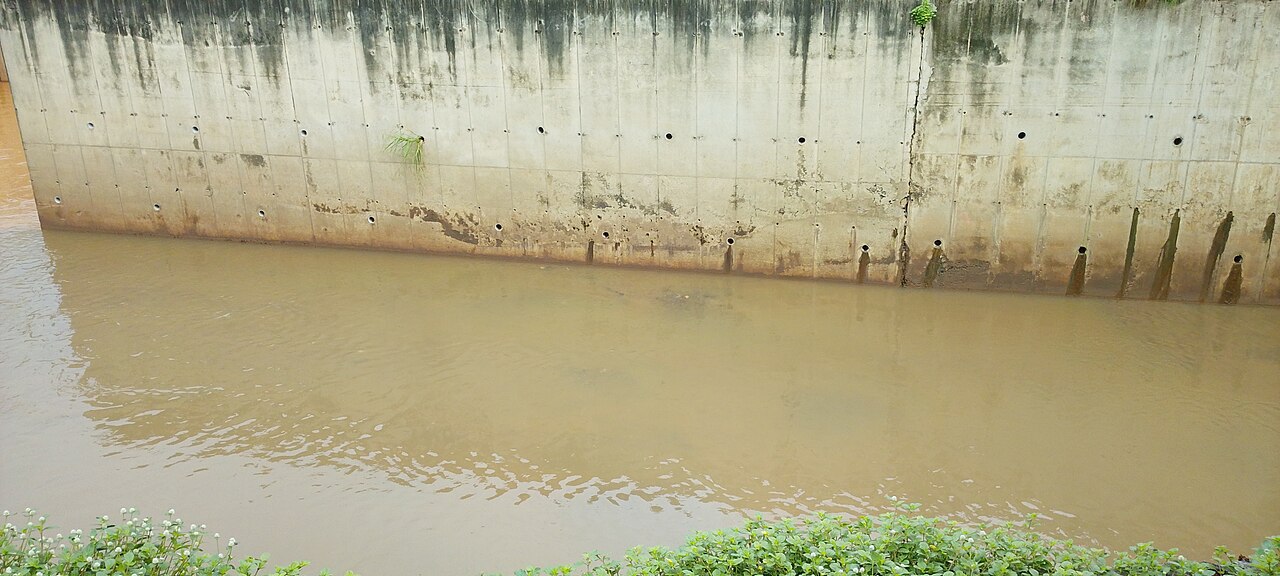
The outbreak spread fastest in crowded, low-income communities with poor sanitation, including parts of central Accra. Open drains, choked gutters, a shortage of toilets and unreliable water supplies all played a part.
Heavy rains flushed waste into drains and water sources. Many residents relied on water from containers and sachets, and street food prepared in unsanitary conditions added to the risk.
The response
The Ghana Health Service and the Ministry of Health set up treatment centres, supplied oral rehydration salts and ran public education campaigns on hand-washing, safe water and food hygiene. City authorities cleaned drains and cracked down on selling food in unsanitary places.
Growth through the year
By mid-August, about 6,000 cases had been reported. By early September, the total had passed 15,000. By October, it was over 23,000. The outbreak slowed in the later months of the year as prevention measures took effect and the rains eased.
The cost
Beyond the deaths, the outbreak cost families lost income, medical bills and days away from work and school. Studies later estimated the economic burden on households and the health system.
Lessons
The outbreak showed that cholera in Ghana is a sanitation problem as much as a health one. Without improved drainage, toilets, waste collection and safe water, outbreaks can return, and smaller outbreaks have occurred since.
What families can do
Health workers repeat the same advice: wash hands with soap, drink safe water, eat food that is well cooked and hot, and seek treatment quickly for severe diarrhoea.
A packet of oral rehydration salts costs little. In 2014, getting it to patients in time was the difference between a bad week and a funeral.