Walk through Jamestown, one of Accra’s oldest neighbourhoods, and you may hear about the Tabom. They are families whose ancestors were taken from Africa to Brazil as enslaved people, and whose descendants came back. Their story links Accra to Salvador da Bahia across the Atlantic.
Who the Tabom are
The Tabom are a community of Afro-Brazilian descendants living in Accra. Their ancestors were formerly enslaved people who, after gaining freedom in Brazil, returned to Africa in the nineteenth century.
The name
When they arrived in Jamestown, the returnees spoke only Portuguese and often used the phrase “Tá bom”, meaning “okay” or “that’s fine”. The local Ga people began calling them the Tabom, and the name stuck.
How many returned
Estimates from a nineteenth-century study suggest that between about 3,000 and 8,000 former enslaved people chose to return to Africa from Brazil, settling in several coastal towns.
Why they came
Historians are not certain whether all the Tabom bought their freedom and returned immediately, or whether some were free workers in Brazil who left after the Malê revolt of 1835 in Bahia, when authorities cracked down on Africans.
Settling in Jamestown
In Jamestown, the Ga community received the newcomers, who settled and integrated over generations. The Tabom brought skills in areas such as carpentry, masonry, tailoring and farming.
The Brazil House
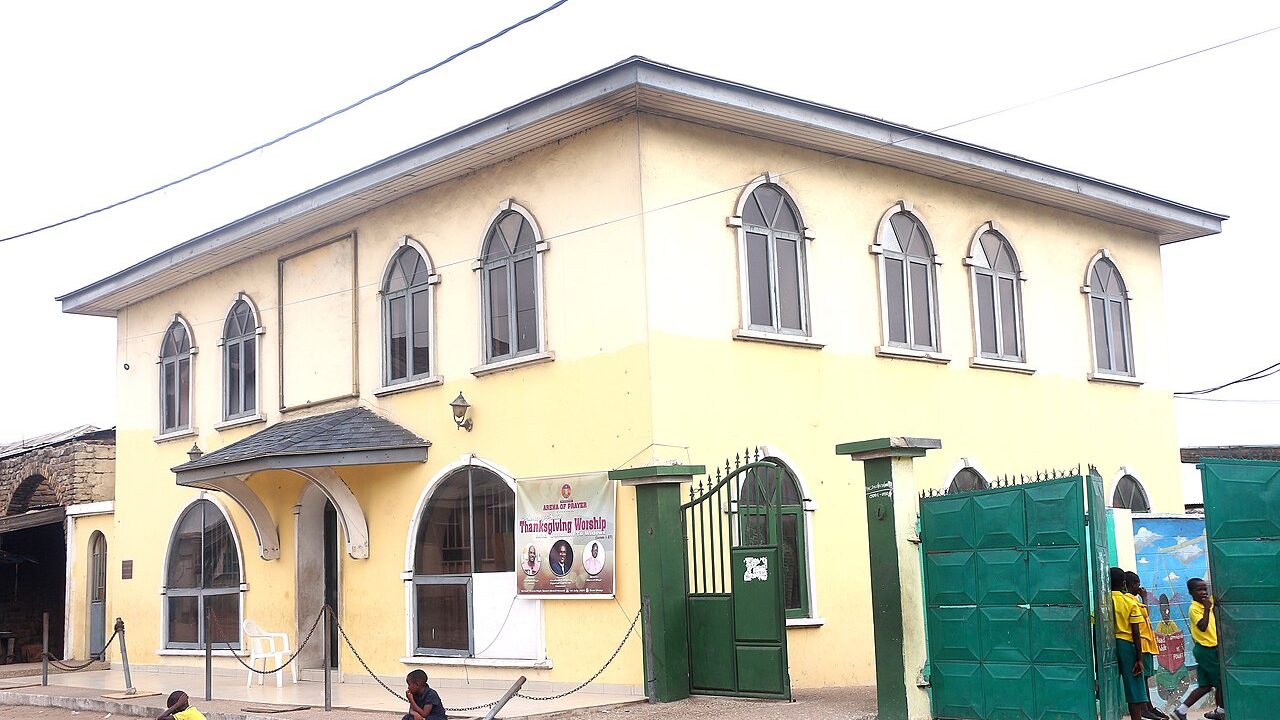
The Brazil House in Jamestown is a heritage site dedicated to the Tabom story. It displays photographs and information about the returnees and their descendants, and it is part of heritage walks in the area.
Similar communities
Returned Afro-Brazilians also settled in Benin, Togo and Nigeria, especially around Lagos, where they are known as Agudás or Amarôs. Their architecture and family names can still be seen in these cities.
Identity today
Most Tabom descendants today speak Ga and English and are fully part of Accra life. Yet many families keep Portuguese-derived surnames and traditions, and they remember their history with pride.
Links with Brazil
In recent decades, cultural exchanges between Ghana and Brazil have renewed interest in the Tabom, with visits, research and celebrations connecting the two sides of the Atlantic.
Visiting
Visitors can include the Brazil House in a walk through Jamestown, along with the lighthouse and old forts. Local guides can explain the history and point out family houses.
A return journey
Most stories of the Atlantic slave trade go one way. The Tabom story is one of return. In a Jamestown street, the word “Tá bom” became a family name for people who crossed the ocean twice.