
In August 2017, customers of UT Bank and Capital Bank woke to news that their banks no longer existed. Their accounts had been handed to GCB Bank. A year later, five more banks disappeared.
Ghana’s banking sector clean-up of 2017 to 2019 was one of the biggest shake-ups in the country’s financial history.
Why it happened
The Bank of Ghana, under Governor Ernest Addison, said several banks had become insolvent, with weak governance, bad loans and, in some cases, practices that broke banking rules. The central bank argued that allowing them to continue risked depositors’ money and the stability of the system.
UT Bank and Capital Bank
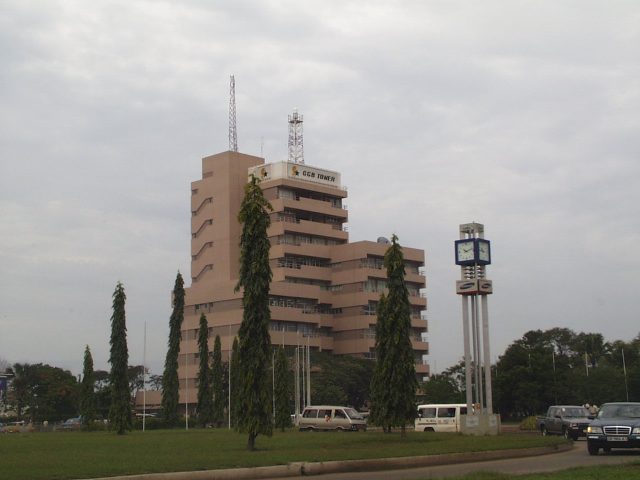
In August 2017, the Bank of Ghana revoked the licences of UT Bank and Capital Bank. Their deposits and some assets were transferred to GCB Bank.
Five banks, one new bank
In August 2018, the Bank of Ghana revoked the licences of five more banks: uniBank, Beige Bank, Sovereign Bank, Royal Bank and Construction Bank. Their deposits and some assets were transferred to a newly created state bank, Consolidated Bank Ghana.
Higher capital
At the same time, the central bank raised the minimum capital requirement for banks sharply, to 400 million cedis. Some banks merged, some raised new capital and some left the market.
Mergers
To meet the new capital requirement, some local banks merged. The mergers created larger Ghanaian-owned banks and reduced the number of banks in the country.
Microfinance and savings companies
In 2019, the clean-up extended to hundreds of microfinance companies, savings and loans firms and finance houses whose licences were revoked. Many depositors waited a long time to recover their money.
The cost
The government spent billions of cedis protecting depositors and recapitalising the system. Critics argued that the process was too harsh on Ghanaian-owned banks and cost jobs. Supporters said it made the banking system stronger.
Court cases
Some former owners challenged the revocations in court, and legal battles continued for years.
Consolidated Bank Ghana
Consolidated Bank Ghana, created in August 2018 to take over the five collapsed banks, became one of the larger banks in the country by number of customers and branches.
What customers learned
Most bank depositors eventually got their money, but many microfinance customers suffered long delays. The episode taught many Ghanaians to check whether a financial institution is licensed before trusting it with their savings.