Almost everyone in Accra knows someone who paid for land and later discovered that it had been sold to two or three other people. Land disputes are among the most common cases in Ghana’s courts. A careful process can protect you.
Who owns land
In Ghana, much land is held by stools, skins, families and clans, with the state and private individuals holding the rest. Understanding who has the right to sell is the first step.
The law
The Land Act, 2020 (Act 1036) brought together many land laws and sets out rules on land administration, registration and the conduct of transactions. It also makes the use of landguards a criminal offence.
Step one: search
Before paying anything, conduct an official search at the Lands Commission to find out who is recorded as the owner and whether there are existing claims or registrations on the plot.
Step two: check the seller
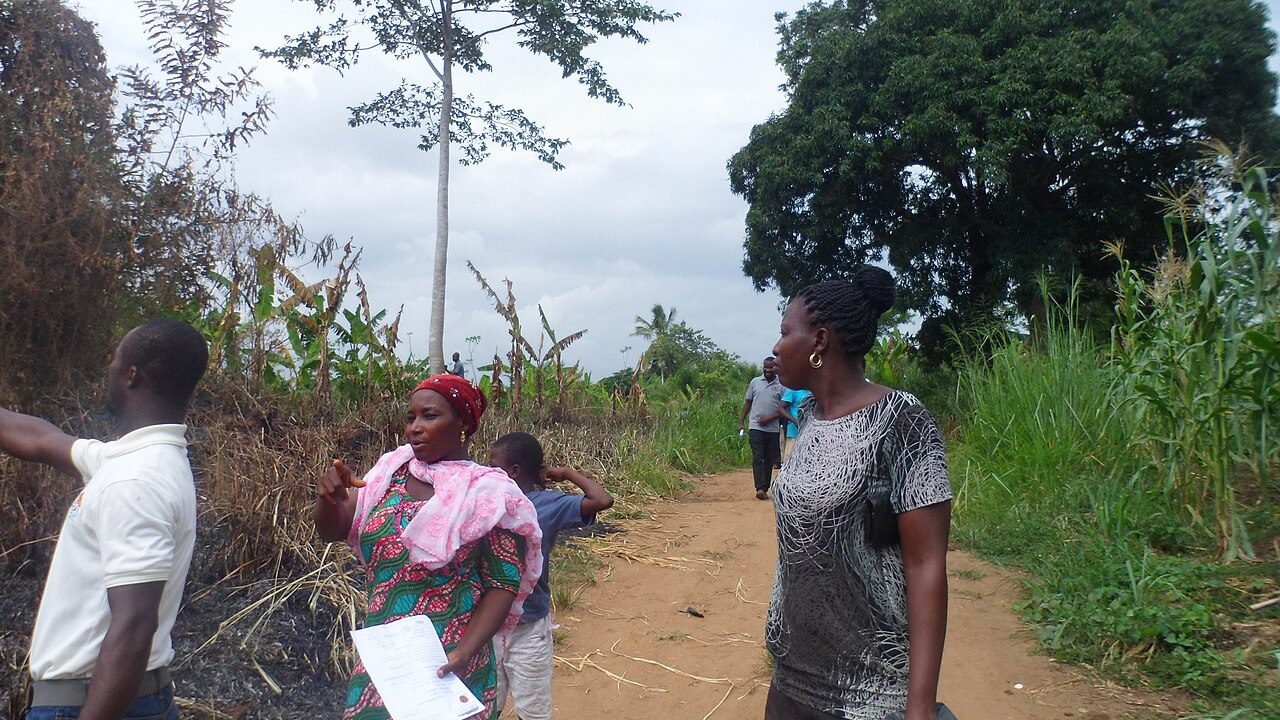
Confirm that the seller has authority to sell. For family or stool land, the head of family or chief, together with principal elders, usually needs to sign. Ask for documents and visit the land with neighbours present.
Step three: survey
Engage a licensed surveyor to prepare a site plan and confirm the boundaries match what you are buying.
Step four: the indenture
A lawyer should prepare an indenture, the deed that transfers the land, signed by the seller and witnesses. Avoid informal receipts as your only evidence.
Step five: stamp duty and registration
Pay the required stamp duty and submit your documents to the Lands Commission for registration. Registration gives you a stronger legal claim.
Warning signs
Be careful if a price seems far below market value, if the seller pressures you to pay quickly or if people on the land give different stories about ownership.
Buying from abroad
Ghanaians abroad are frequent victims of land fraud. Use a trusted lawyer and surveyor, and do not rely only on relatives to handle payments.
Check current procedures
Fees, forms and procedures change. Confirm the latest requirements with the Lands Commission and a qualified lawyer before you start.
Patience pays
A proper search and registration take time and money. They cost far less than years in court. When it comes to land in Accra, the slow buyer is usually the one who keeps the plot.