

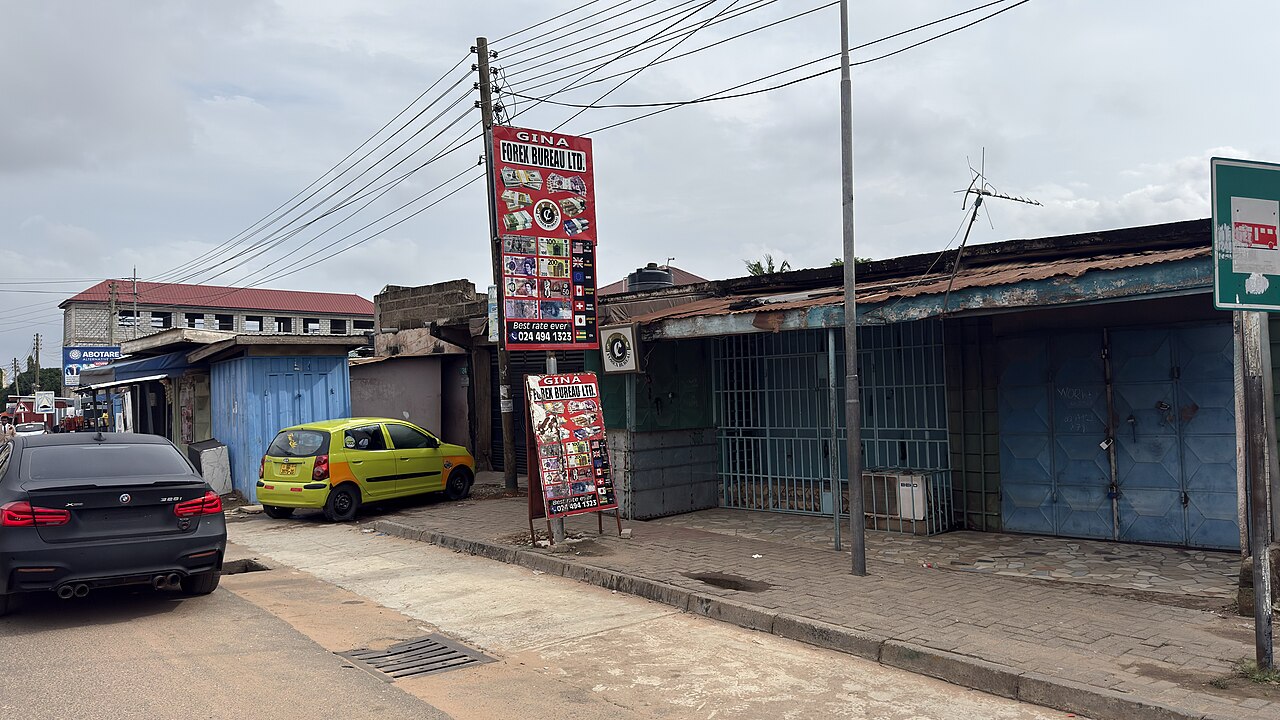
The cedi moves, sometimes sharply. For visitors and Ghanaians returning from abroad, knowing where and how to change money can make a real difference to a holiday budget. It can also protect you from scams.
Licensed forex bureaus
Licensed foreign exchange bureaus operate across Accra, especially in business districts and shopping areas. They are regulated by the Bank of Ghana and usually display their buying and selling rates.
Banks
Commercial banks also exchange currency. Rates may be less competitive than bureaus, but banks are secure and provide clear receipts. Some require identification.
At the airport
Exchange counters at Kotoka International Airport are convenient for a small amount of cash on arrival, but rates may not be the best. Change only what you need for the first day.
Street changers
Informal street changers may offer attractive rates, but the risks include counterfeit notes, short-changing and theft. Avoid them.
Understanding rates
Bureaus quote a buying rate, what they pay for your foreign currency, and a selling rate. Compare the rate you will actually receive, including any fees, rather than the headline number.
Clean notes
Many bureaus offer lower rates, or refuse, for old, torn or marked foreign notes. Bring clean, recent notes, especially US dollars.
Count carefully
Count your money at the counter before leaving, and keep the receipt. Do not let anyone distract you during the transaction.
Cards and ATMs
Many ATMs accept international cards and dispense cedis. Check your bank’s fees for foreign withdrawals, and use ATMs in secure locations such as banks and malls.
Mobile money
Once you have cedis, mobile money is widely used for payments. Some services allow international transfers directly into mobile wallets.
Safety
Avoid carrying large amounts of cash. Split money between bags or pockets, and be discreet when paying.
Sending money home
Ghanaians abroad often send money through remittance companies or apps, which may deposit cedis into bank accounts or mobile money wallets. Compare fees and exchange rates, as they vary between services.
Keep receipts
Keep your exchange receipts, especially for large amounts. They can help if there is a dispute or if you need to show the source of funds.
A little research
Checking current rates online before you go, and comparing two or three bureaus, can save a noticeable amount. In a country where the exchange rate is a daily topic of conversation, a few minutes of research pays off.
.jpg)