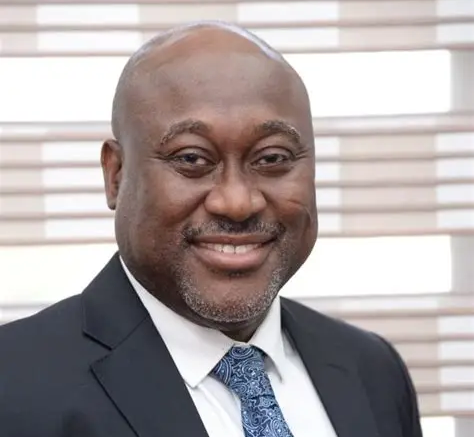
The Pro-Vice-Chancellor for Academic and Student Affairs at the University of Ghana, Prof. Gordon Akanzuwine Awandare, urged African governments to increase funding for science and research to stop the brain drain and boost local scientific progress. Speaking on September 29, 2026, at the UGMC Research Symposium, he said the commitment to science must go beyond rhetoric and be reflected in actual budget allocations.
“Even though our leaders talked a lot about science and research, we should always look at the budgets they put out. See how much they actually put into science and research. The talk does not match the budget,” Prof. Awandare said.
He said the lack of funding has led to a weak research ecosystem, poor pay for scientists, and the loss of skilled professionals to other countries. This shortage limits Africa’s ability to conduct advanced scientific work.
Prof. Awandare explained that basic research requires expensive equipment such as nuclear magnetic resonance (NMR) machines, mass spectrometers, and genome sequencing tools. Many governments hesitate to invest in these because such infrastructure lacks the immediate visibility of roads or hospitals, which politicians often prefer to highlight during campaigns.
“Have you ever seen a politician say that, ‘I bought a sequencing machine for UGMC, so vote for me?’ No, they don’t campaign on those things, so no wonder they are not in the budget,” he said.
He also criticised the way much research funding comes from foreign sources that often dictate the research agenda. According to Prof. Awandare, African scientists should lead projects inspired by African needs, with funding given directly to local researchers and institutions.
“There needed to be a shifting paradigm where funds were given directly to African scientists, inspired by African ideas, and led by African scientists,” he said.
He pointed to the common situation where foreign universities receive large grants while African institutions mainly gather samples or data, without controlling the overall research direction. Direct funding would help build sustainable research capacity on the continent.
Prof. Awandare mentioned international initiatives that have supported African research capacity, including the World Bank’s African Centres of Excellence initiative, which has invested over US$500 million across multiple phases. This programme works through loans and partnerships with African governments.
He also cited the Developing Excellence in Leadership, Training and Science in Africa (DELTAS Africa) initiative, which has provided US$100 million in its first phase and US$70 million in its second, supporting consortia across dozens of institutions.
The Human Heredity and Health in Africa (H3Africa) initiative received more than US$170 million from the US National Institutes of Health and the Wellcome Trust. It has helped build genomics research infrastructure, sequencing facilities, and bioinformatics expertise.
Prof. Awandare said these programmes have created opportunities for African scientists to collaborate with colleagues in the diaspora and develop high-performance computing resources.
He described the academic medical centre model as a way to combine education, research, innovation, and clinical care in one place. At UGMC, this integration allows researchers, clinicians, and patients to work closely, with healthcare challenges guiding laboratory investigations.
“And this is because it’s a place where we can optimise our resources. We combine education, research and innovation in one place. We don’t have the luxury of separating those three components,” he said.
The UGMC Research Symposium was organised by the Medical and Scientific Research Centre, with support from the Research Training and Development Unit and the Office of External Engagement. Lancet Laboratories Ghana Limited sponsored the event.
According to Joy Online.