

The president was walking to his car when the constable raised his rifle. It was 2 January 1964, the second day of a new year, and Kwame Nkrumah was leaving Flagstaff House, his official residence in Accra. Police Constable Seth Ametewee, who had recently been posted to guard the compound, fired at him from close range.
The first shot missed. By the time the shooting stopped, Nkrumah was alive and his bodyguard, Salifu Dagarti, was dying on the ground.
The man who stepped in
Salifu Dagarti was part of the president’s personal security detail. Accounts of the next few seconds differ in their details. Some say he was hit in the head, others in the chest. They agree on the central fact: Dagarti moved between the gunman and Nkrumah and took the bullet meant for the president.
Ametewee kept firing. One account says his last round was ejected from the rifle by accident before he could use it. Others on the compound then seized the constable.
Not the first attempt
The shooting came less than eighteen months after the Kulungugu bombing of August 1962, when a grenade was thrown at Nkrumah’s party in the north of the country. Ghanaian writers differ on how to count the attempts on his life. Some call the Flagstaff House shooting the fourth, others the fifth. Either way, the president had reason to believe he was a target, and the security state around him had been growing since the Preventive Detention Act of 1958.
Danquah arrested again
Six days later, on 8 January 1964, police arrested J.B. Danquah, the veteran nationalist who had once worked with Nkrumah in the United Gold Coast Convention and later became his fiercest critic. He was detained under the Preventive Detention Act. Investigators said they had found papers that looked like a speech to be broadcast if the plot succeeded.
Danquah was never tried. He died in Nsawam prison in February 1965, still in detention. His death remains one of the most painful episodes of the First Republic.
A one-party state follows
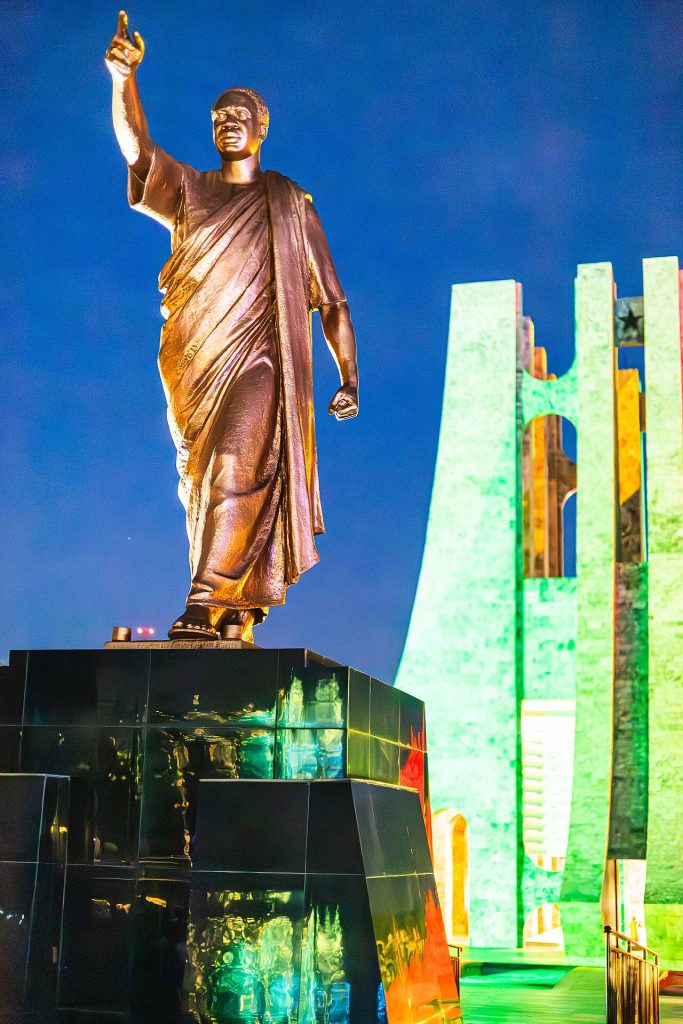
The shooting fed directly into politics. Within weeks, Ghana held a referendum that made the Convention People’s Party the only legal party and gave the president power to dismiss judges. The official result was an overwhelming yes. Nkrumah’s government presented the vote as a defence of the state against people who wanted him dead. His opponents saw it as the closing of the last legal space for dissent.
What drove Ametewee
The constable’s motives were never fully settled in public. Some official accounts treated him as a lone gunman. Others tied him to opposition politicians. A 1965 magazine report claimed he had really wanted to shoot his own security chief over a rejected application to study in Britain. That claim was never confirmed, and it sits alongside the official version rather than replacing it.
Flagstaff House today
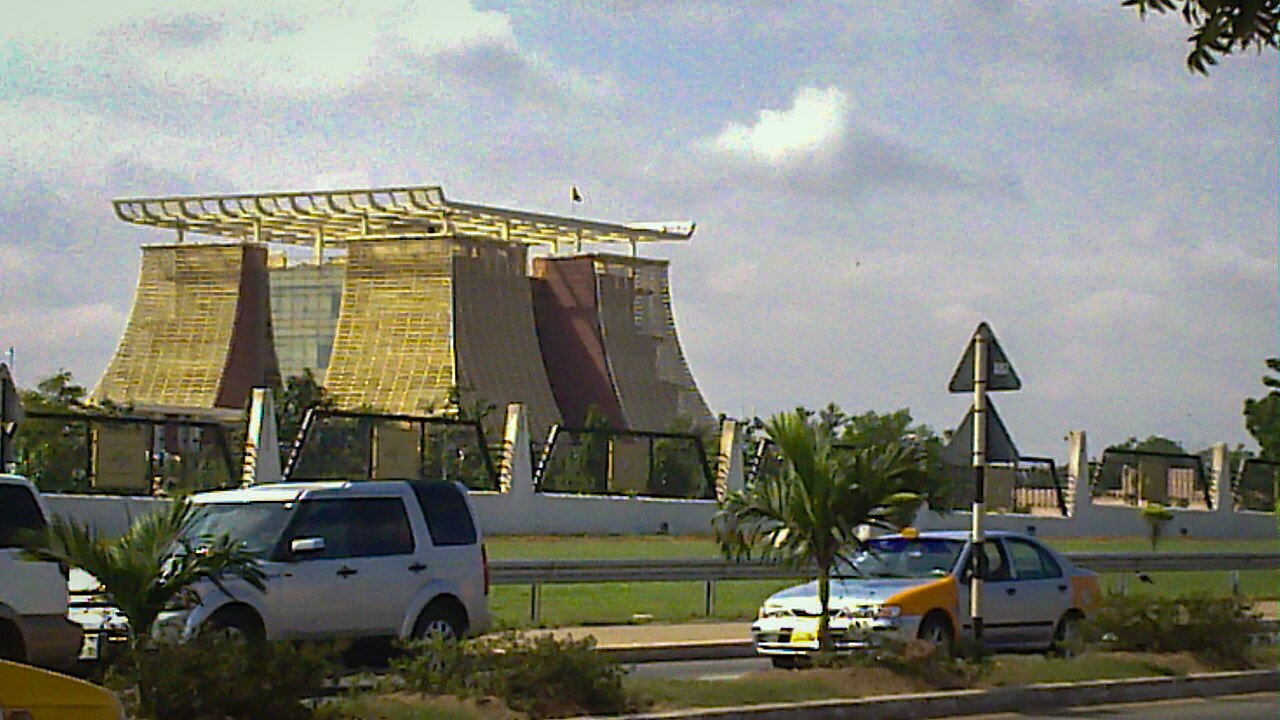
The building Nkrumah walked out of that morning has since been replaced. A new presidential palace was built on the site and opened in 2008, and it was later renamed Jubilee House. Thousands of Accra drivers pass its gates on Liberation Road every day without thinking about the January morning when a guard posted to protect the president turned his weapon on him.
Salifu Dagarti’s name is rarely mentioned in the history taught in Ghanaian schools. He was a security man who did exactly what his job asked of him, and Nkrumah lived for another eight years because of it.


.jpg)
