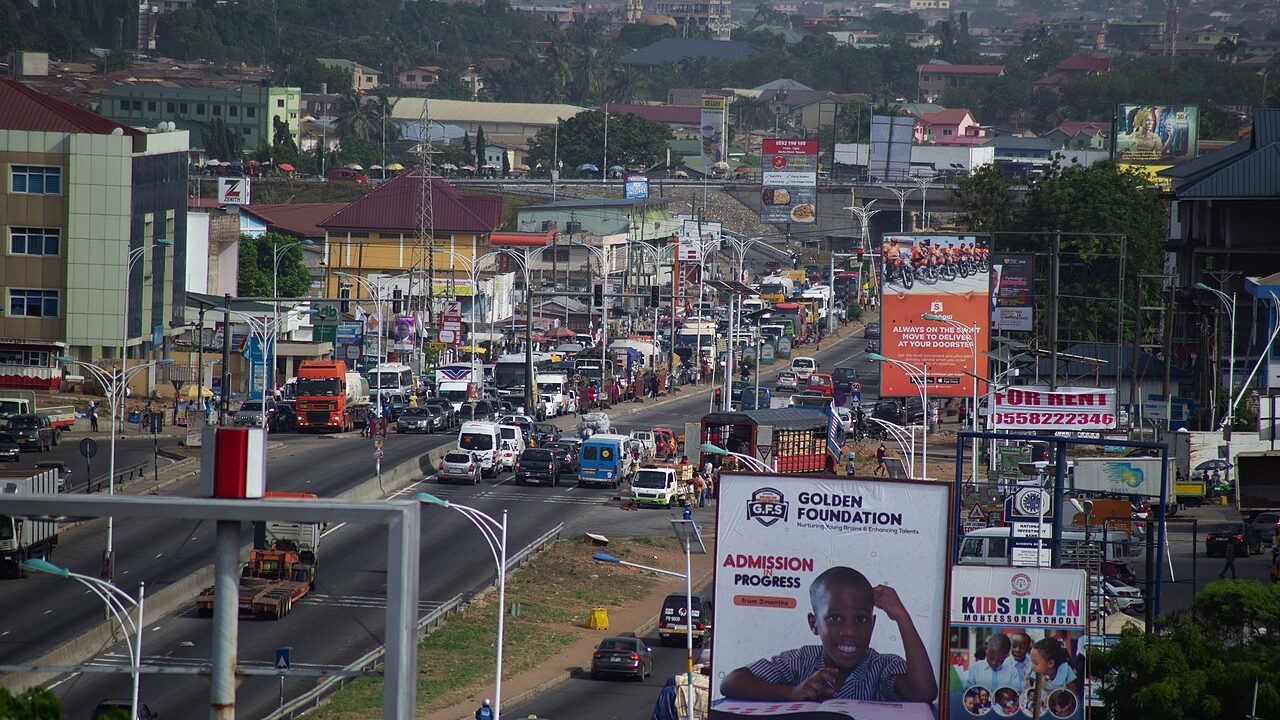
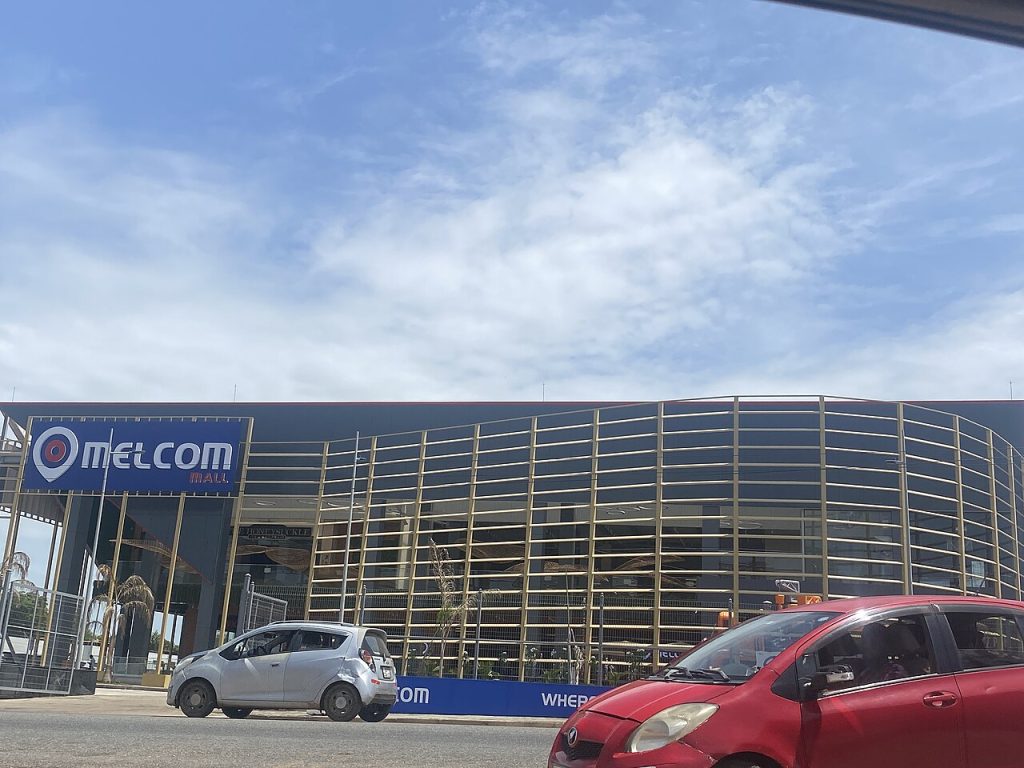
The store had just opened for the day. On the morning of 7 November 2012, a multi-storey building housing a branch of the Melcom department store at Achimota in Accra collapsed with workers and shoppers inside. Rescuers spent days digging through broken concrete and twisted metal. By the end, 71 people had been pulled out alive, and 14 were dead.
The morning
The collapse happened early, which may have kept the death toll from being higher. Staff were inside preparing for the day’s trade and some customers had arrived. Witnesses described a loud noise and then the building folding down on itself.
The rescue
The National Disaster Management Organisation, the Ghana National Fire Service, the police, the military and volunteers worked at the site for days. Families waited outside, some holding photographs of missing relatives. Early reports of the death toll varied, and some foreign agencies reported higher numbers before the final count was confirmed.
Without approval
As investigators began their work, it emerged that the building’s construction had not been approved by the city authorities. That raised the question of how a multi-storey commercial building could be put up and occupied in a busy part of Accra without the permits it needed.
Arrests
Police detained the building’s owner, a local chief named in reports as Nana Boadu Nkansah. State investigators also arrested two officials responsible for authorising construction projects. Reports suggested that the building had structural defects linked to failure to follow building codes and the use of improper materials.
We may never know why
Years later, a Graphic opinion piece carried the headline “14 died on November 7, 2012: we may never know why”. Its point was that a full public account of what went wrong, and of who was held accountable, never reached ordinary Ghanaians. Many building collapse inquiries in Ghana have ended the same way.
A pattern of collapses
The Melcom collapse was one of a series of building failures in Ghana. Uncompleted buildings, illegal storeys added to existing structures and poor construction materials have caused other collapses before and since. Experts regularly warn that weak enforcement of building regulations puts lives at risk.
What residents can do
Before renting a shop or office in a new building, ask whether the building has a permit and who the contractor was. Cracks, sagging floors and visible steel corrosion are warning signs. Report concerns to the local assembly.
Melcom reopened elsewhere and remains one of Ghana’s best-known retailers. At Achimota, the memory of that November morning is still a warning about the cost of building without rules.