

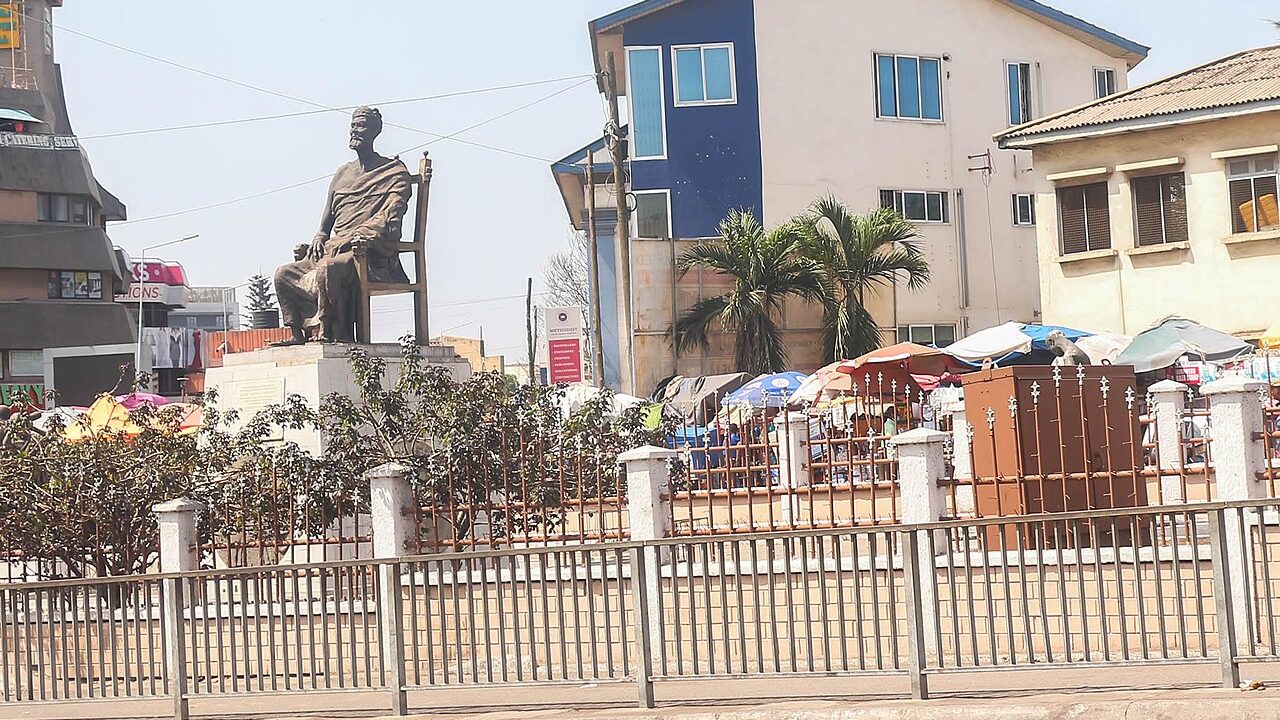
Accra is the capital of Ghana and the traditional home of the Ga people. For most of the past two decades, the question of who sits on the Ga stool, the paramount throne of the Ga State, has had more than one answer. Rival claimants, rival installations and long court cases have kept the issue alive since the death of Ga Mantse Nii Amugi II.
The Ga State
The Ga State is the traditional authority of the Ga people of Accra. It includes the Ga Mashie towns of central Accra and other Ga communities. The Ga Mantse is its paramount chief, a figure of great symbolic importance during festivals such as Homowo and in the life of the capital.
Four royal houses
According to Ga tradition as reported in Ghanaian media, the kingship rotates among four royal houses: Teiko Tsuru We, Amugi We, Abola Piam We and Tackie Kommey We. Disputes have centred on whose turn it is and on who has the right to perform the installation.
After Amugi II
Nii Amugi II died in the mid-2000s; reports give dates in late 2004 and mid-2005. In June 2006, King Tackie Tawiah, a royal of the Teiko Tsuru We, was installed as Ga Mantse to succeed him. His installation was challenged by other houses and by some kingmakers.
Rival claimants
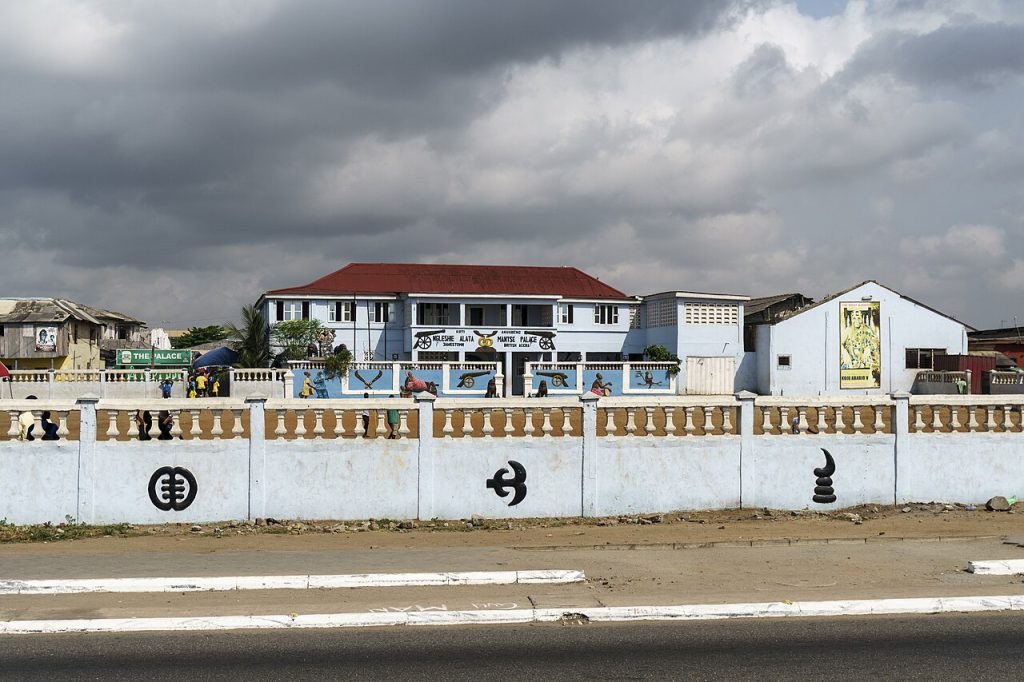
Over the following years, other claimants were installed by rival factions, including Boni Nii Tackie Adama Latse II. In 2017, the Ga Traditional Council installed Kelvin Nii Tackie as Ga Mantse in a ceremony at the North Kaneshie palace under heavy police presence. Other houses denounced installations they did not recognise.
The Gbese Mantse
The Gbese Mantse, Nii Ayi-Bonte II, has claimed a central role in installing a Ga Mantse. In 2011, he and his supporters entered the offices of the Ga Traditional Council and the Ga Mantse’s palace, adding to the tension.
Courts and the House of Chiefs
The dispute has gone to the courts and to the Greater Accra Regional House of Chiefs, whose judicial committee hears chieftaincy petitions. Some petitions have waited years for a hearing. The Ga Traditional Council has appealed to the presidency to set up a commission of inquiry.
Why it matters
Chieftaincy disputes affect more than titles. They influence control of land, which in Accra is extremely valuable, and they can lead to violence when rival groups clash. They also weaken the ability of traditional leaders to speak with one voice on issues such as development and land sales.
Homowo and unity
During Homowo, when the Ga celebrate their harvest and hoot at hunger, the question of the stool is never far from public conversation. Elders and commentators often call for reconciliation so that the Ga State can have one recognised leader.
Accra has grown into a city of millions. Its oldest institution, the Ga stool, is still trying to settle the oldest kind of question: whose turn it is.

.jpg)