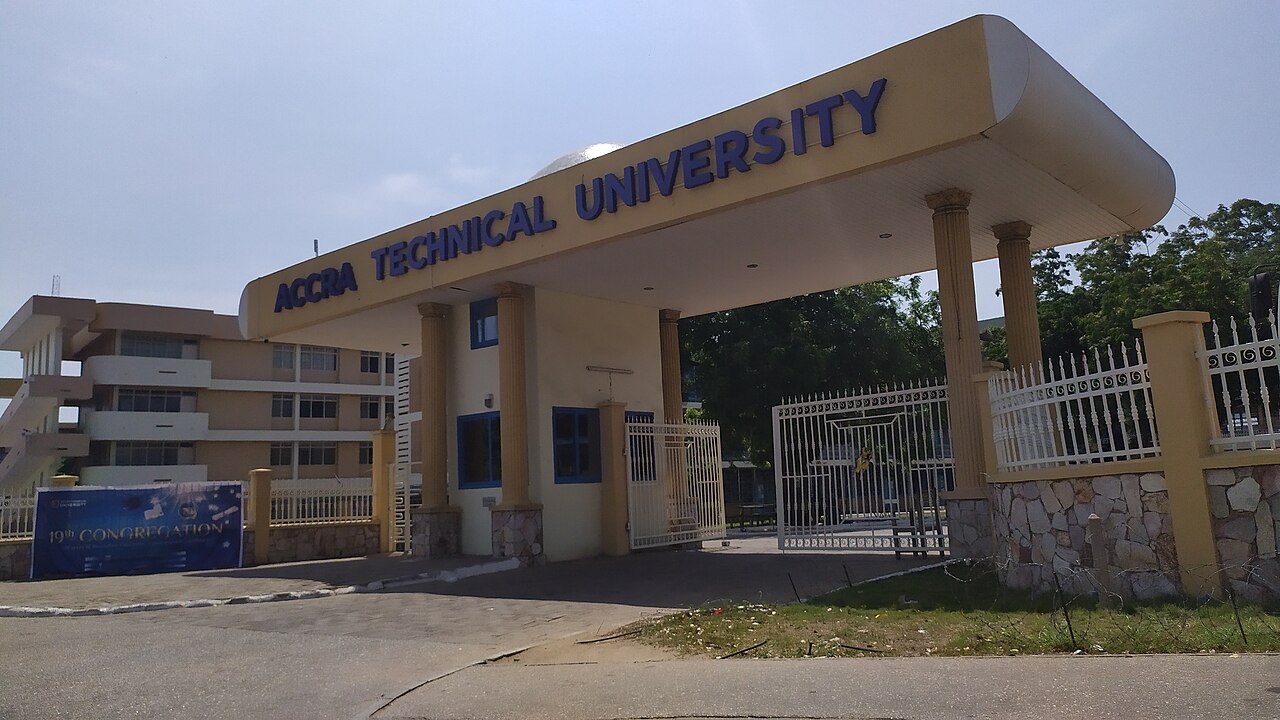
It has changed its name four times. The institution on Barnes Road in central Accra began in 1949 as a technical school, became a technical institute at independence, a polytechnic under Nkrumah and a technical university in 2016. Each name marks a stage in Ghana’s long argument about how to train people who build things.
1949
Accra Technical School opened in 1949, in the last decade of colonial rule, to train students in technical trades. The Gold Coast needed mechanics, electricians, builders and technicians as the economy grew after the Second World War.
The Technical Institute
In 1957, the year of independence, the school was commissioned as the Accra Technical Institute. Nkrumah’s government placed great emphasis on industrialisation, and technical education was part of that vision.
Accra Polytechnic
In 1963, on Nkrumah’s directions, the institute took the name Accra Polytechnic. For decades, it offered technical and vocational courses below university level.
Tertiary status
The Polytechnic Law of 1992 (PNDC Law 321) raised Ghana’s polytechnics to tertiary status. They began offering Higher National Diplomas. The Polytechnics Act, 2007 (Act 745) gave them autonomy to award diplomas and degrees.
The HND question
Polytechnic graduates often complained that employers and the civil service treated the HND as inferior to a university degree. That frustration fed the campaign to convert polytechnics into universities.
Technical university
The Technical Universities Act, 2016 (Act 922) converted Accra Polytechnic and several other polytechnics into technical universities. Accra Technical University now awards bachelor’s and other degrees, with an emphasis on applied and practical training.
What it teaches
ATU offers programmes in engineering, applied sciences, business, fashion and design, building technology and related areas. Its students are known for hands-on work, and many go into industry or start their own businesses.
The debate continues
Critics of the 2016 conversion worried that technical universities would drift towards academic degrees and abandon the practical training Ghana needs. Supporters said the change gave graduates the status they deserved. The answer depends on whether ATU and its sister institutions keep their workshops as busy as their lecture halls.
A city campus
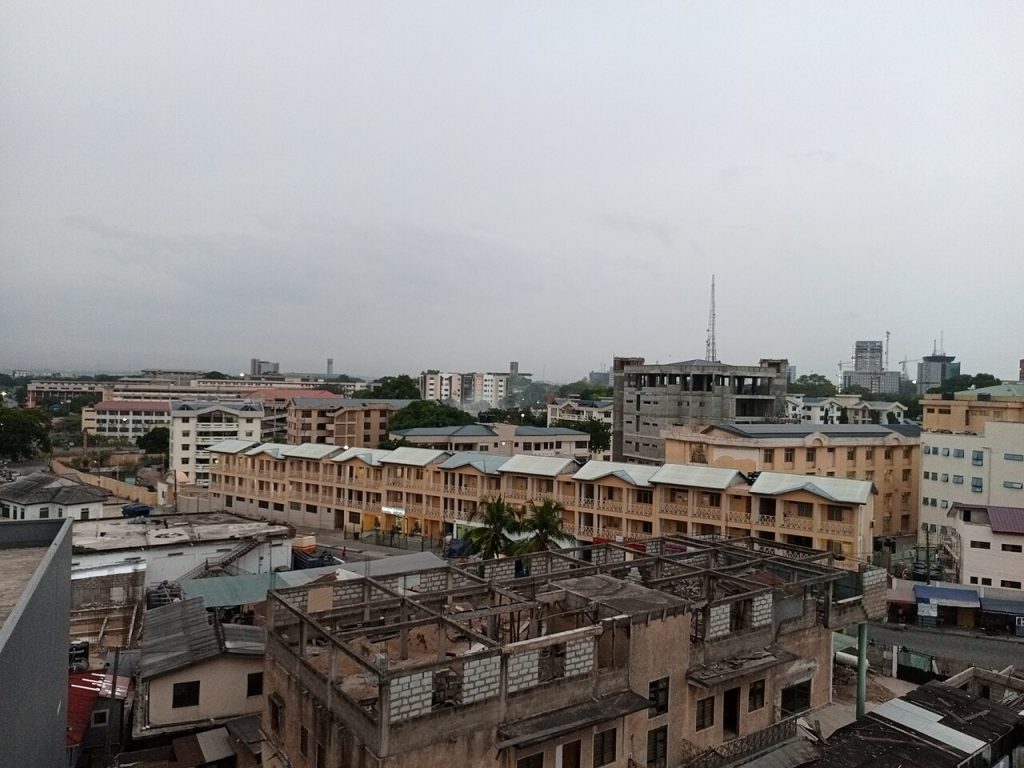
Unlike the University of Ghana at Legon or the newer universities on the outskirts, ATU sits close to the centre of Accra, near Kwame Nkrumah Circle and the busy commercial streets of Adabraka. Students can reach it by trotro from most parts of the city, and many combine study with jobs in the city’s workshops, offices and markets. The location also limits space. As student numbers have grown, the university has had to expand upwards and look for additional sites, a familiar story for institutions in crowded central Accra.
From a colonial trade school to a university, the institution has followed every turn in Ghana’s education policy. Its graduates still fix the city’s machines, wire its buildings and design its clothes.