Accra is drier than most of southern Ghana, but when it rains, it pours. Long-term records show the city’s average rainfall climbing from about 15 millimetres in January to more than 200 millimetres in June, then dropping sharply in August. That pattern shapes the city’s flood risk, its traffic and even when people plan weddings.
Two seasons
Southern Ghana has a bimodal rainfall pattern, meaning two rainy seasons a year. In Accra, the major season usually begins in April and lasts into July, with the heaviest rain in May and June. The minor season runs from September to about mid-November and peaks in October.
The August break
Between the two seasons comes the “little dry season” in August, when rainfall drops. Many Accra families schedule outdoor events, including weddings, in this window, though rain can still fall.
Harmattan
From about December to February, the dry Harmattan wind blows dust from the Sahara. Rainfall is low, skies are hazy and nights can be cooler. This is the main dry season.
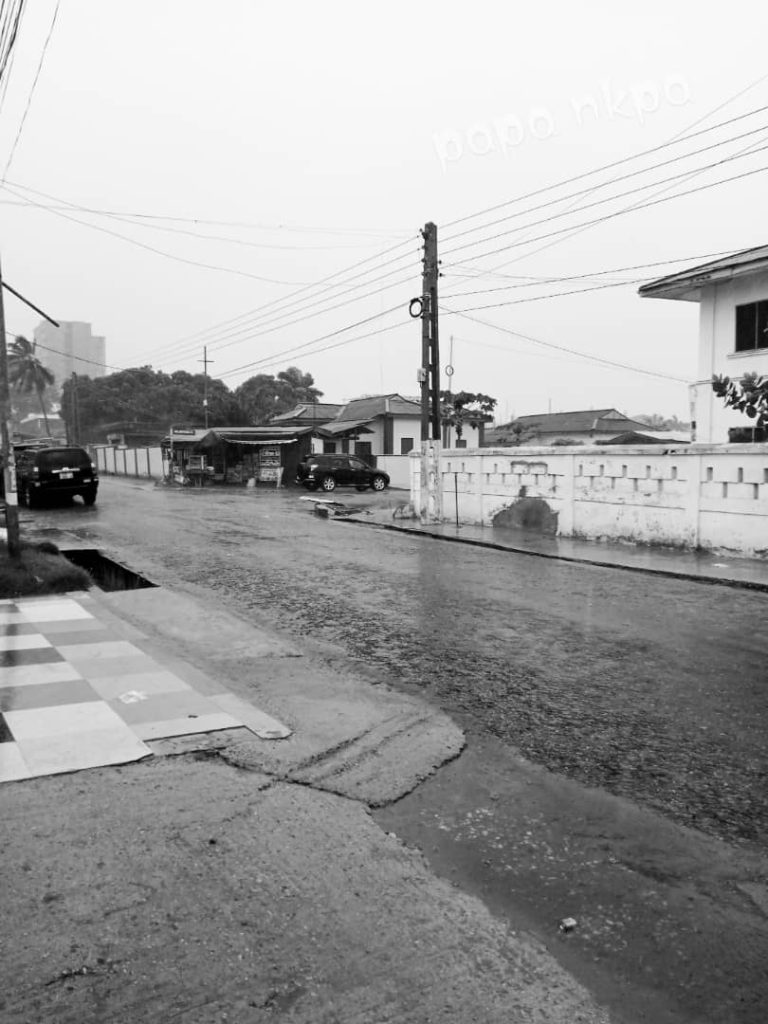
Why Accra floods
Heavy storms in the major rainy season often cause flooding in low-lying parts of Accra, especially along the Odaw River and its tributaries. Blocked drains, plastic waste and buildings on waterways make the problem worse. Areas around Kaneshie, Circle, Adabraka and parts of Kwame Nkrumah Avenue are known flood spots.
Forecasts
The Ghana Meteorological Agency publishes seasonal forecasts for the major and minor rainy seasons, indicating whether rainfall is expected to be above or below normal. It also issues warnings before severe storms. Follow its updates on radio, television and social media.
Preparing your home
Clear gutters and drains around your house before the rains. Keep important documents in waterproof bags and on high shelves. If your area floods, know the safest route to higher ground and avoid walking or driving through moving water.
On the road
Rain slows Accra’s traffic dramatically. Plan extra time for journeys on rainy days, especially in the evening. Avoid flooded underpasses and low bridges.
Lightning and power
Storms bring lightning and power cuts. Unplug sensitive electronics during storms and keep a torch or rechargeable lamp ready.
Why Accra is drier
Accra receives less rain than most of southern Ghana, including Takoradi and the forest belt around Kumasi. Meteorologists link this to the shape of the coastline and the local wind and ocean patterns along the eastern coastal plains, which produce a dry corridor stretching from around Accra towards Togo. That is why the grasslands of the Accra Plains look so different from the forests further west. It also means that when heavy storms do arrive, the city’s drains and soils are often unprepared for the volume of water.
Accra’s rains are predictable in season and unpredictable in strength. A city that knows the calendar can prepare for both.