It began as a party press. In 1957, the year of independence, Kwame Nkrumah established the Guinea Press Limited as the printing house of his Convention People’s Party. Out of it came the Ghanaian Times, a newspaper that has outlived the party that founded it and the government that took it over.
Why Nkrumah needed a press
Nkrumah understood the power of newspapers. Before independence, his Accra Evening News had been a weapon in the struggle against colonial rule. With the Daily Graphic in foreign hands, the CPP wanted its own printing house and a national daily that would carry its message.
The Guinea Press
The Guinea Press printed party materials and newspapers, including the Ghanaian Times. The paper strongly supported Nkrumah’s policies, Pan-Africanism and the vision of an industrialised, socialist Ghana.
After 1966
When the National Liberation Council overthrew Nkrumah in February 1966, his party’s assets were seized. The Guinea Press was taken over as state property by NLC Decree 130 of 1968.
New Times Corporation
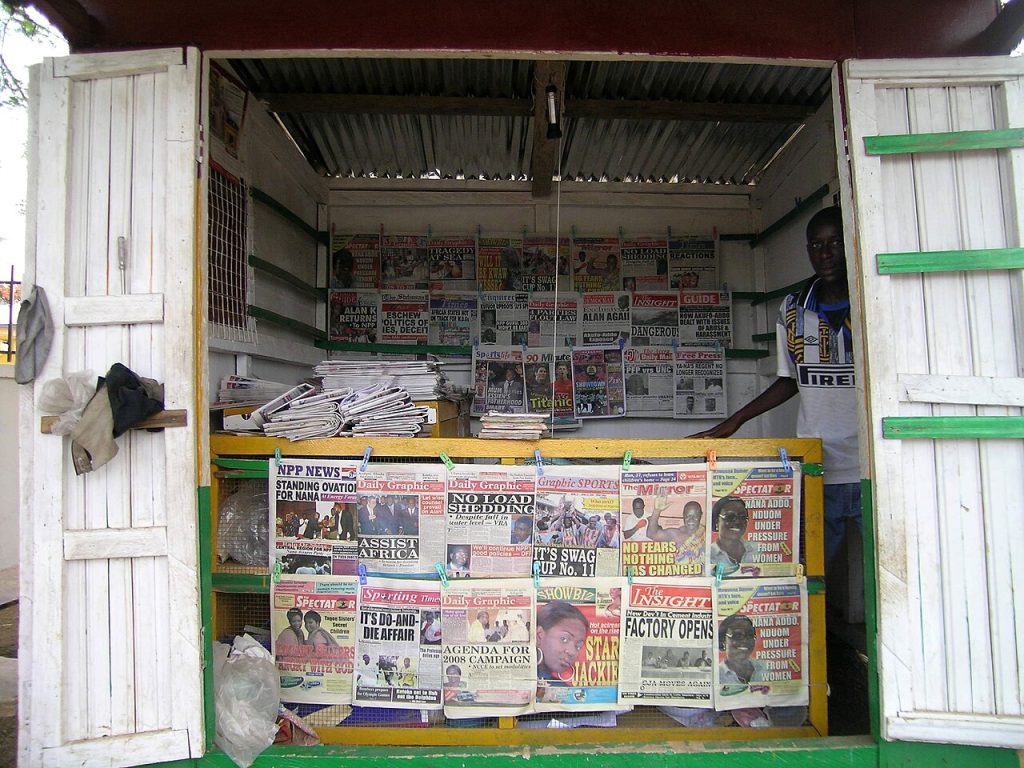
In 1971, under the Busia government, the press was transformed into the New Times Corporation by Act 363. The corporation, a state-owned enterprise, has published the Ghanaian Times and the Weekend Spectator since then.
Rivals in the state press
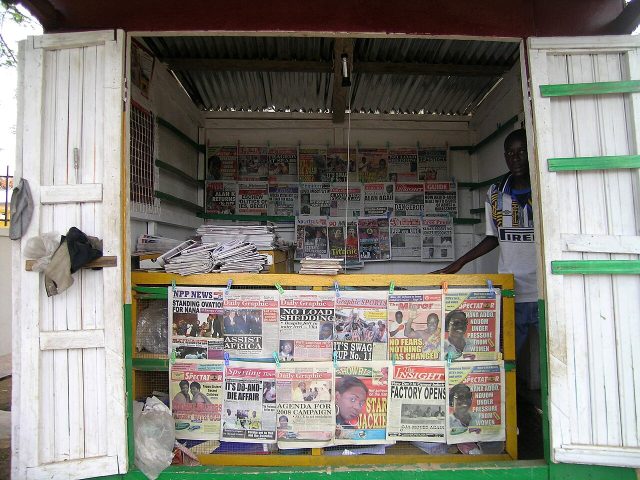
For decades, Ghana had two state-owned daily newspapers, the Daily Graphic and the Ghanaian Times. They competed for readers, advertisers and scoops while both depending on government ownership. Many Ghanaians read both.
The Spectator
The Weekend Spectator became popular for its lighter content, features, entertainment and human interest stories. For many readers, it was as much a weekend habit as The Mirror.
Rebranding
In recent years, the New Times Corporation has worked to modernise the Ghanaian Times, updating its design and building its online presence to compete with private media and digital news outlets.
A training ground
Like the Graphic, the Times has trained generations of Ghanaian journalists. Many reporters and editors who later worked for private newspapers, radio stations and international media began their careers in its newsroom in central Accra.
Nkrumah’s government built the Guinea Press to speak for one party. It now speaks for the state, which is a different thing, and Ghanaians still argue about whether that should be the job of a newspaper at all.