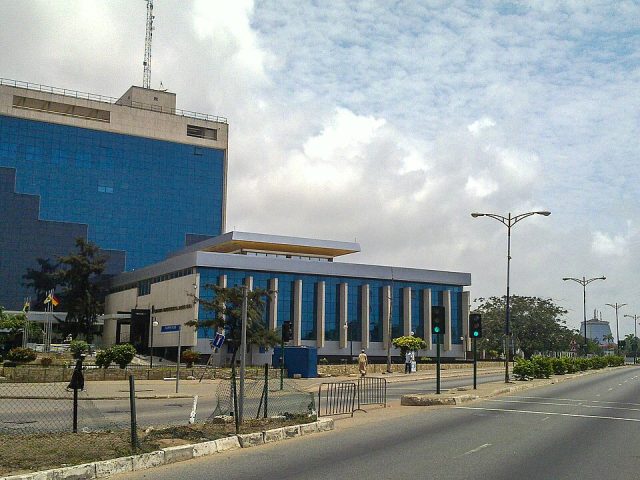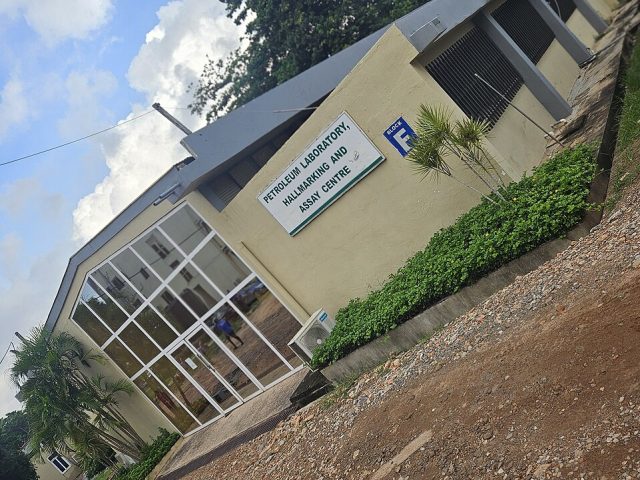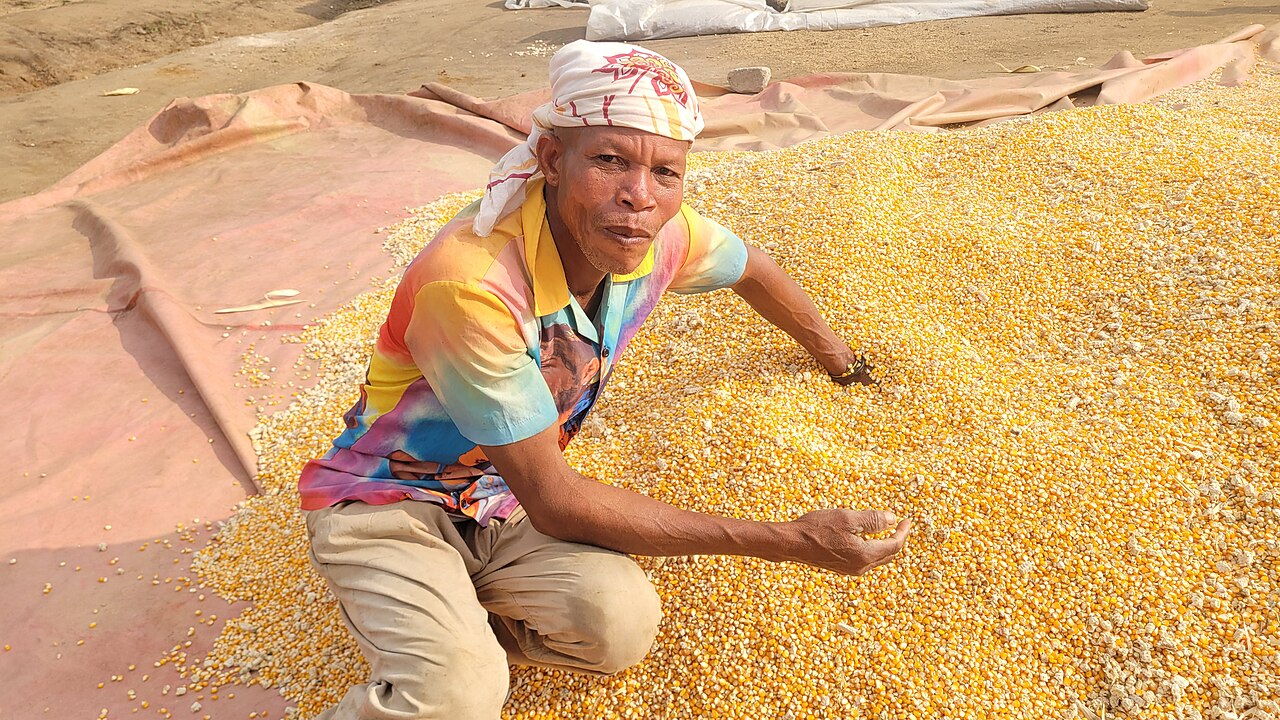
A farmer in the north sells maize to a middleman at harvest, when prices are lowest, because there is nowhere to store it and no way to know what buyers elsewhere would pay. That problem is what the Ghana Commodity Exchange was designed to solve. Since it began trading in November 2018, it has tried to bring structure and transparency to Ghana’s grain markets.
What the exchange is and why it exists
The Ghana Commodity Exchange, known as GCX, is a regulated market where agricultural commodities are traded. It operates with certified warehouses, grading standards and electronic trading. Ghana’s grain trade has long been dominated by informal markets, where farmers often receive low prices and buyers face uncertain quality. The exchange aims to reduce post-harvest losses, improve price discovery and give farmers better access to finance.
Farmers or aggregators deliver crops to GCX-certified warehouses, where the produce is graded and stored. They receive a warehouse receipt, which shows the quantity and grade.
Receipts, commodities and challenges
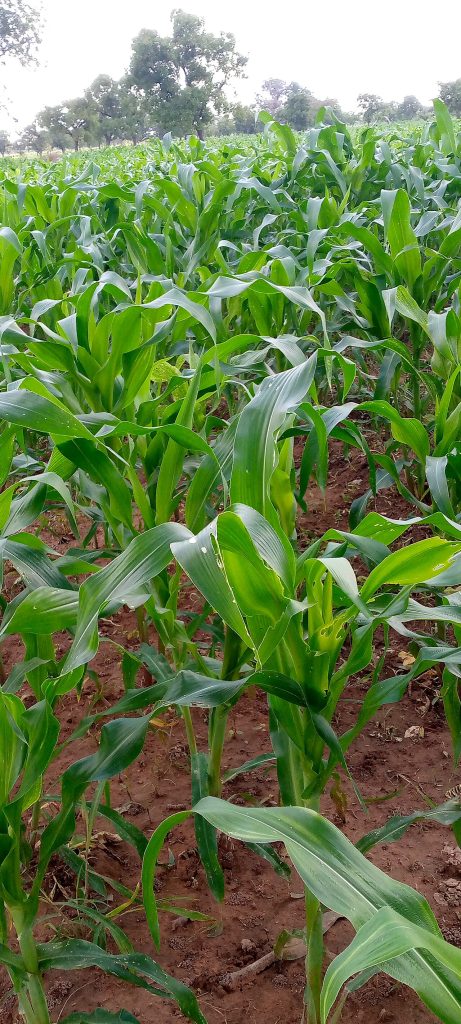
The receipt can be traded on the exchange or used as collateral for loans from banks. This allows farmers to wait for better prices instead of selling immediately at harvest. GCX trades crops such as maize, soybean, sorghum, rice and sesame. Maize is the most significant. Cocoa is not traded on GCX, as it remains under COCOBOD’s control.
Users include farmers’ groups, aggregators, traders, processors, poultry farmers who buy grain for feed, and institutional buyers. The exchange is regulated by the Securities and Exchange Commission of Ghana. Many smallholder farmers are still unfamiliar with the exchange or find it hard to meet quality standards. Informal markets remain dominant, and building trust takes time.
Government programmes and how farmers join
The exchange has been linked to government agricultural programmes, including buffer stock and food security efforts. Ethiopia’s commodity exchange, launched in 2008, is often cited as a model in Africa. Other countries, including Malawi and Kenya, have also developed commodity exchanges. Farmers usually participate through groups or aggregators who meet minimum quantities. GCX has run training and outreach to help farmers understand grading and receipts.
A commodity exchange will not fix every problem in Ghana’s farms. It can give a farmer the choice of waiting for a better price, which many have never had.