Ghana is Africa’s largest gold producer, yet for years much of the gold dug by small-scale miners left the country without passing through official channels. In 2025, the government decided to change that. Parliament passed a law creating the Ghana Gold Board, known as GoldBod, to act as the main buyer and exporter of gold from the small-scale sector.
The problem and the law
Small-scale and artisanal miners produce a large share of Ghana’s gold. Much of it was sold to private buyers and smuggled out, depriving the state of foreign exchange and tax revenue. The Ghana Gold Board Act was passed in 2025, early in President John Mahama’s new term. It created GoldBod as the sole authority to buy, sell, assay and export gold from small-scale mining.
What GoldBod does
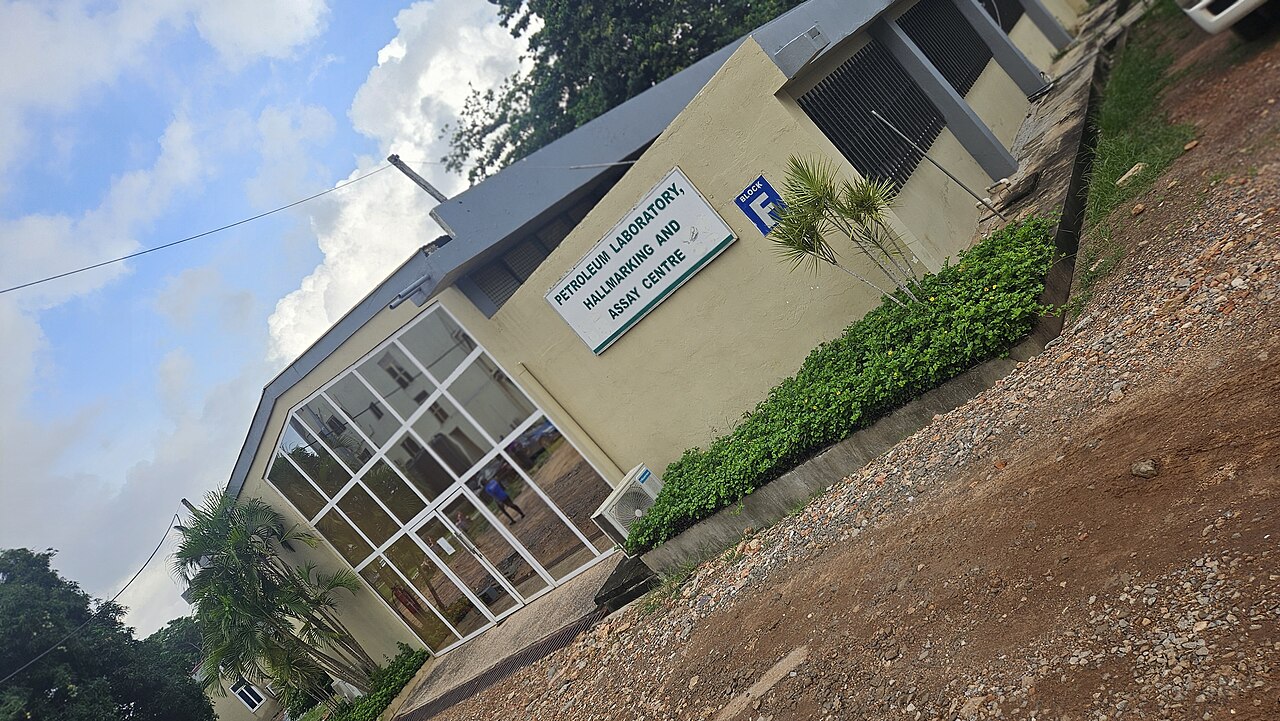
GoldBod licenses buyers and aggregators, sets rules for the gold trade, buys gold for the state, and supports the Bank of Ghana in building reserves through domestic gold purchases.
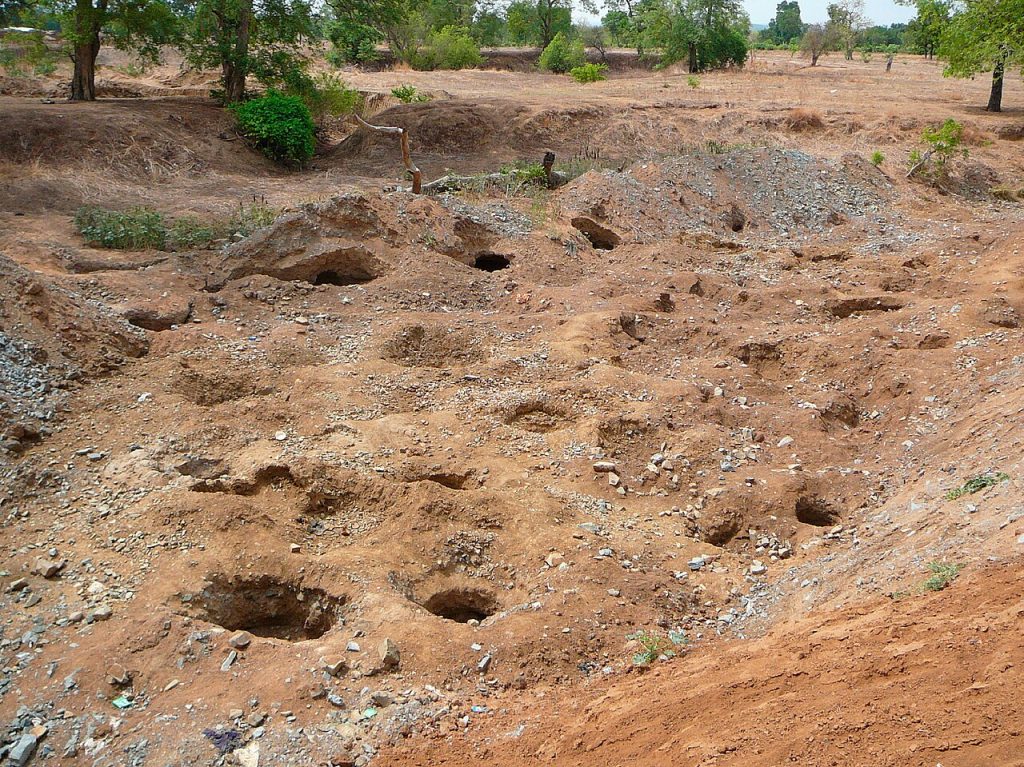
The government argued that bringing gold into official channels would increase foreign reserves and strengthen the cedi. In 2025, the cedi recovered significantly against the dollar, and officials pointed to gold purchases as one reason.
Gold for oil, galamsey and transparency
The policy built on earlier efforts to use gold to pay for oil imports and to buy domestic gold for reserves, which began under the previous government. Critics worried that the state buying more gold from small-scale miners could encourage illegal mining, known as galamsey, which has polluted rivers and destroyed farmland. The government said licensed buyers must source from legal operations.
Civil society groups called for clear reporting on how much gold GoldBod buys, at what prices and how the revenue is used.
Big miners, smuggling and what to watch
GoldBod focuses on the small-scale sector. Large mining companies continue to export under their own licences, though the government has discussed requiring them to sell part of their output locally. Authorities have stepped up efforts to stop gold smuggling at borders and airports, with arrests and seizures reported. The success of GoldBod will depend on whether it reduces smuggling without fuelling galamsey, and whether its finances are open to scrutiny.
Ghana was once called the Gold Coast because of the metal leaving its shores. GoldBod is the latest attempt to make sure more of it stays at home.