The car looked perfect in the photos. When the buyer took it to a mechanic, he found a cracked engine block hidden under new paint. In Ghana, where most cars are imported second-hand, buying a used car can be a good investment or an expensive lesson. A little preparation makes the difference.
Where cars come from and inspection
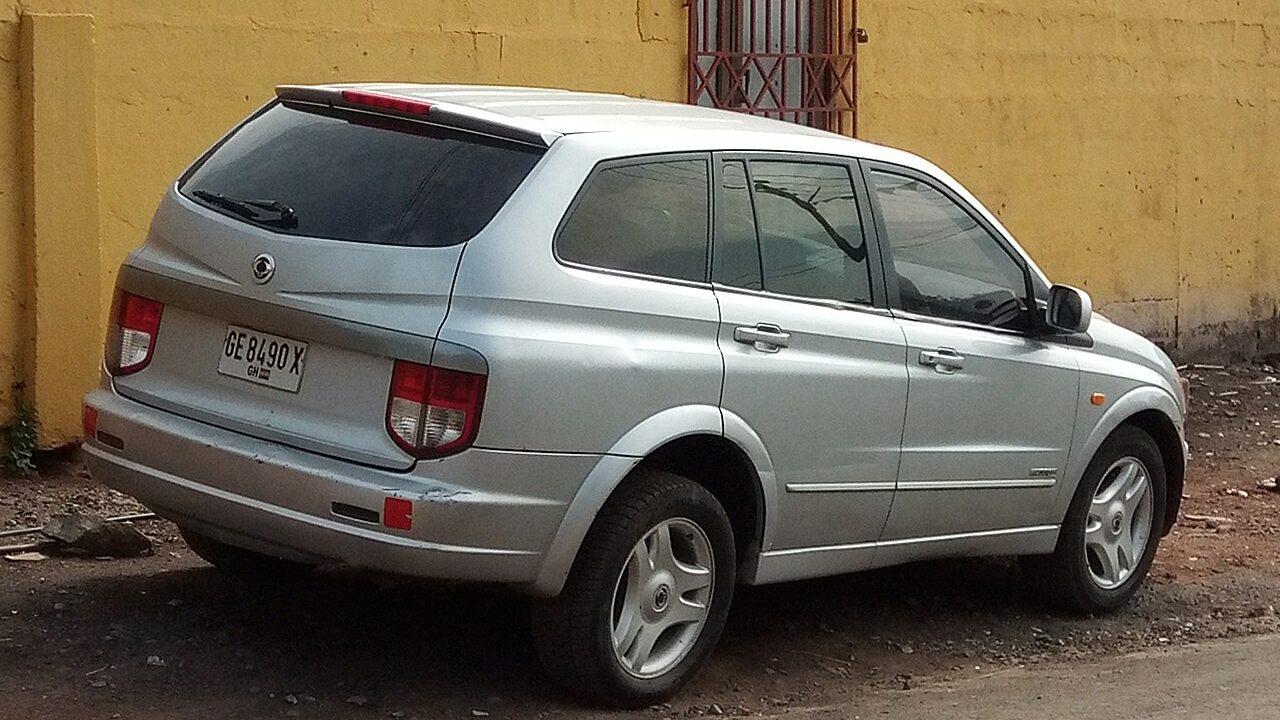
Most used cars in Ghana are imported from the United States, Europe, Korea and elsewhere, often after accidents or long use. They are sold at car lots, by private owners and online. Some are “home used”, meaning they have already been driven in Ghana. Include the purchase price, transfer fees, insurance, repairs and immediate servicing. Cheap cars can become expensive quickly.
Take a trusted mechanic with you. Check the engine, gearbox, suspension, brakes, tyres and body. Look for signs of flood or accident damage, such as rust, mismatched paint or water marks.
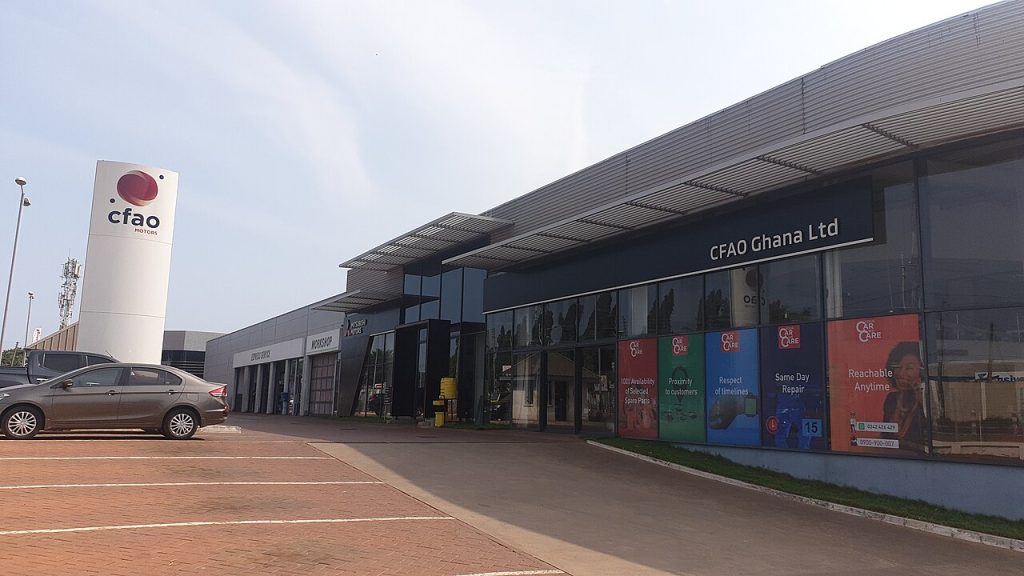
Test drive, history and documents
Drive the car on different roads. Listen for unusual noises, check the brakes and steering, and make sure all lights and electronics work. For imported cars, ask for the vehicle identification number (VIN) and check its history online where possible. Some services show accident records, mileage and previous registrations. Ask to see the vehicle registration documents from the DVLA, customs documents for imported vehicles and the seller’s identification. Make sure the details match the car’s chassis number.
Transfer, roadworthiness and insurance
Ownership must be transferred at the DVLA. Both buyer and seller usually need to be present or provide authorised documents. Do not pay in full until you are sure the transfer can be completed. Vehicles need a valid roadworthy certificate from the DVLA. Check its date, and plan for renewal. Third-party insurance is the legal minimum in Ghana. Comprehensive insurance costs more but covers damage to your own car.
Scams and spare parts
Be wary of sellers who refuse inspections, push for quick cash payments or cannot provide documents. Stolen cars are sometimes sold with fake papers. Choose a model with spare parts that are easy to find. Places such as Abossey Okai in Accra sell parts for popular brands. A car is often the second-biggest purchase a family makes after a home. Spending an afternoon with a mechanic before paying is the cheapest insurance any buyer can get.