Newcomers to Accra are often surprised by how expensive the city can be. Rent is paid years in advance, imported goods carry high prices and traffic adds hidden costs in fuel and time. At the same time, local markets, trotros and street food make it possible to live more cheaply than many expect. Understanding the main costs helps families plan.
Rent and utilities
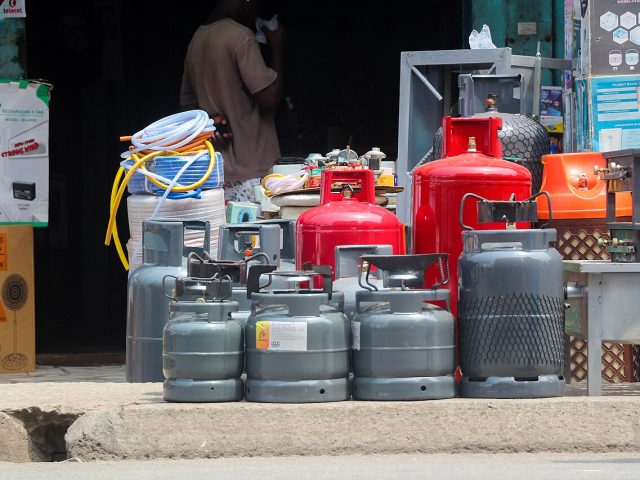
Rent is usually the biggest expense. Landlords often demand one or two years’ advance, despite legal limits. Prices vary widely between areas such as East Legon and Cantonments and suburbs such as Kasoa, Adenta or Amasaman. Electricity is often prepaid. Water bills are usually lower, but many households also pay for tanker water or boreholes when supply is irregular. Cooking gas is another regular cost.
Food, transport and school fees
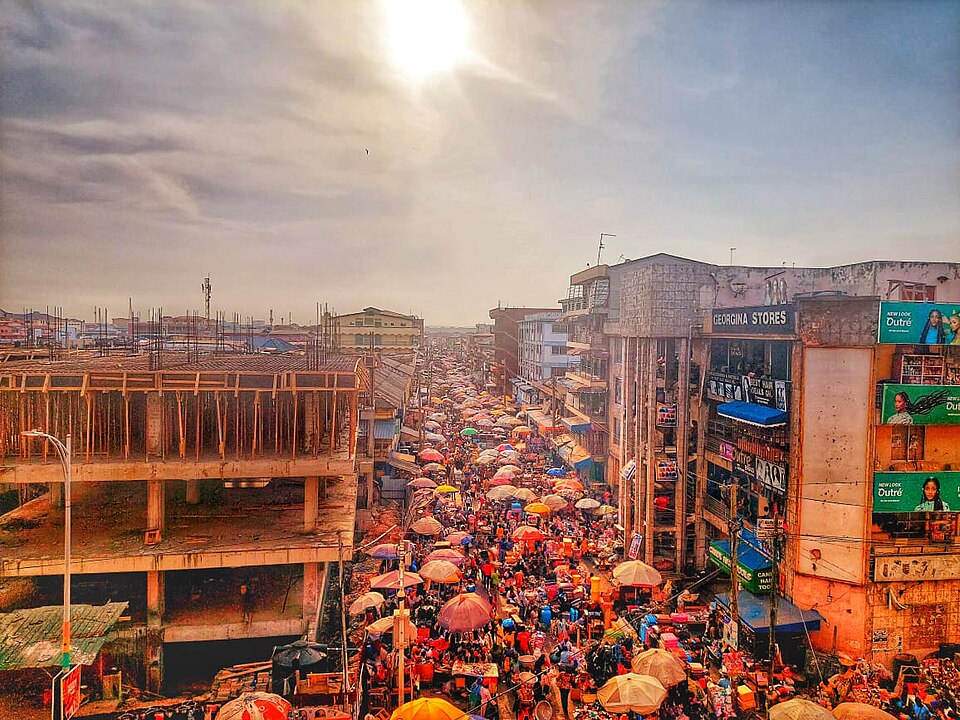
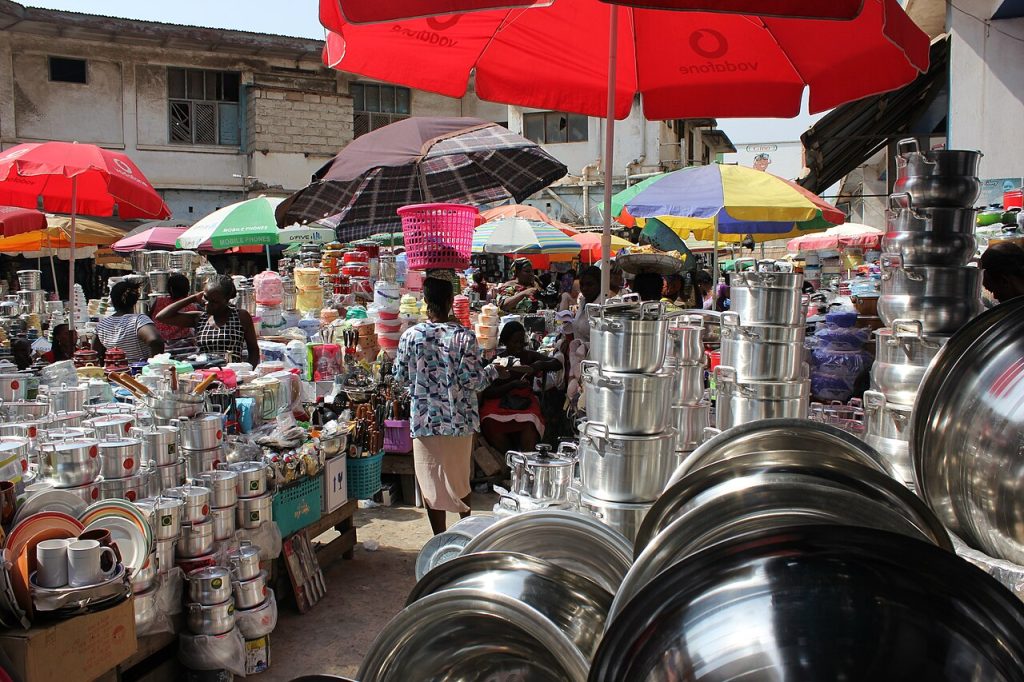
Local foods bought in markets, such as yam, plantain, tomatoes and fish, can be affordable. Imported foods and supermarket items cost more. Eating at chop bars is cheaper than restaurants.
Trotros are the cheapest way to travel. Taxis and ride-hailing cost more. Car owners pay for fuel, maintenance and insurance, and fuel prices change with global oil prices and the cedi. Public senior high school is free, but private schools charge fees that range from modest to very high. International schools in Accra are among the most expensive.
Healthcare, phones, help and inflation
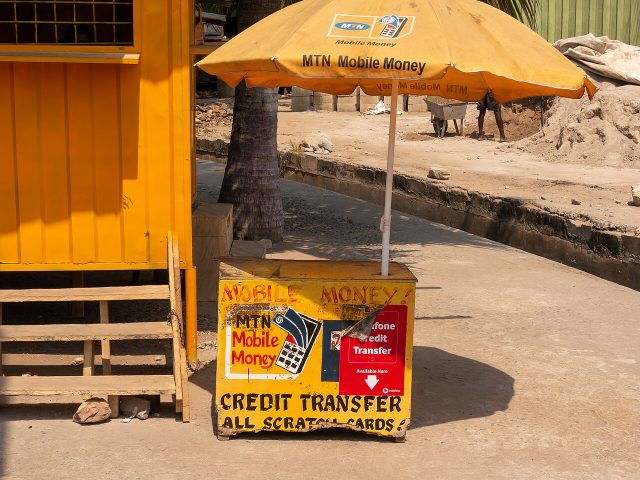
The National Health Insurance Scheme covers many basic services. Many families also pay out of pocket for some treatments or use private insurance. Mobile data and calls are a regular expense. Prices have risen with taxes and the weaker cedi at times. Some households employ cleaners, cooks or drivers. Wages vary, and employers should follow labour laws.
Inflation affects prices quickly. In 2022, inflation rose sharply before easing in later years. Families adjust by buying in bulk and cutting back.
Saving, newcomers and budgeting
Shopping at markets, cooking at home, using public transport and sharing housing can reduce costs. Returning diaspora Ghanaians and expatriates often pay more at first because they do not know local prices. Asking friends and comparing prices helps. Keep a monthly budget that includes irregular costs such as school fees and rent renewals. Accra can be costly, but it rewards local knowledge. The family that knows where to buy, what to pay and when to travel often spends far less than the newcomer who does not.