For years after oil began flowing from the Jubilee field in 2010, much of the gas that came up with it had nowhere to go. In late 2014, a processing plant at Atuabo, in the Nzema area of the Western Region, began taking that gas, cleaning it and sending it to power plants. The project, run by the state-owned Ghana National Gas Company, changed the way Ghana generates electricity.
Associated gas and the pipeline
When oil is pumped from offshore fields, gas comes up with it. Without a way to process and transport it, that gas is either reinjected into the reservoir or flared. Ghana wanted to use it to generate cheaper electricity. The Ghana National Gas Company, known as Ghana Gas, was set up in 2011 to build and operate the infrastructure needed to process and transport natural gas.
An offshore pipeline brings gas from the Jubilee field to Atuabo. From there, processed gas travels by pipeline to the thermal power plants at Aboadze near Takoradi.
The plant, power and LPG
The Atuabo plant separates the raw gas into lean gas for power generation and liquids such as liquefied petroleum gas (LPG) and condensate. Gas from Atuabo reduced the need to burn expensive imported light crude oil in power plants. It became an important part of Ghana’s electricity supply, especially after the power crisis of 2014 and 2015.
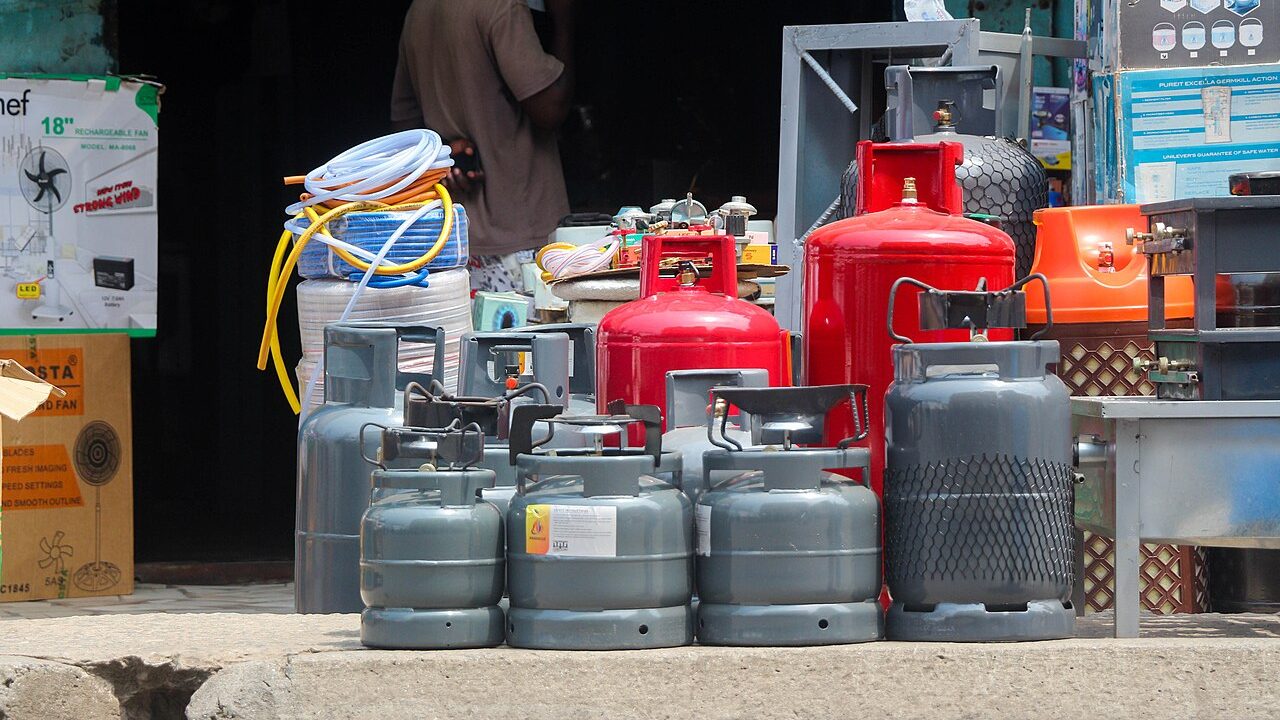
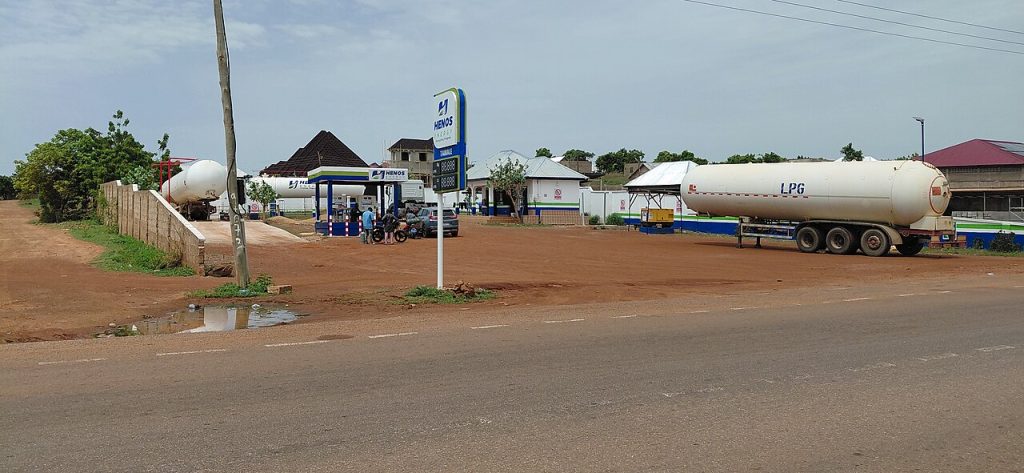
The plant produces LPG, the gas used for cooking in many Ghanaian homes. Local production reduces reliance on imports, though Ghana still imports much of its LPG. Gas from later fields, including TEN and the Sankofa gas project, has added to supply. Gas from Nigeria also arrives through the West African Gas Pipeline.
Financing, challenges and the community
The plant was built with financing linked to a Chinese loan arrangement. Its costs and contracts have been debated in Ghanaian politics. Maintenance shutdowns at Atuabo or on offshore facilities can disrupt gas supply and affect power generation. Debts in the energy sector also weigh on Ghana Gas. Communities near Atuabo hoped the project would bring jobs and development. Some benefits arrived, but residents have also called for more investment in the area.
The gas under Ghana’s sea was once burned off as waste. The pipes running into Atuabo turned it into electricity for homes hundreds of kilometres away.