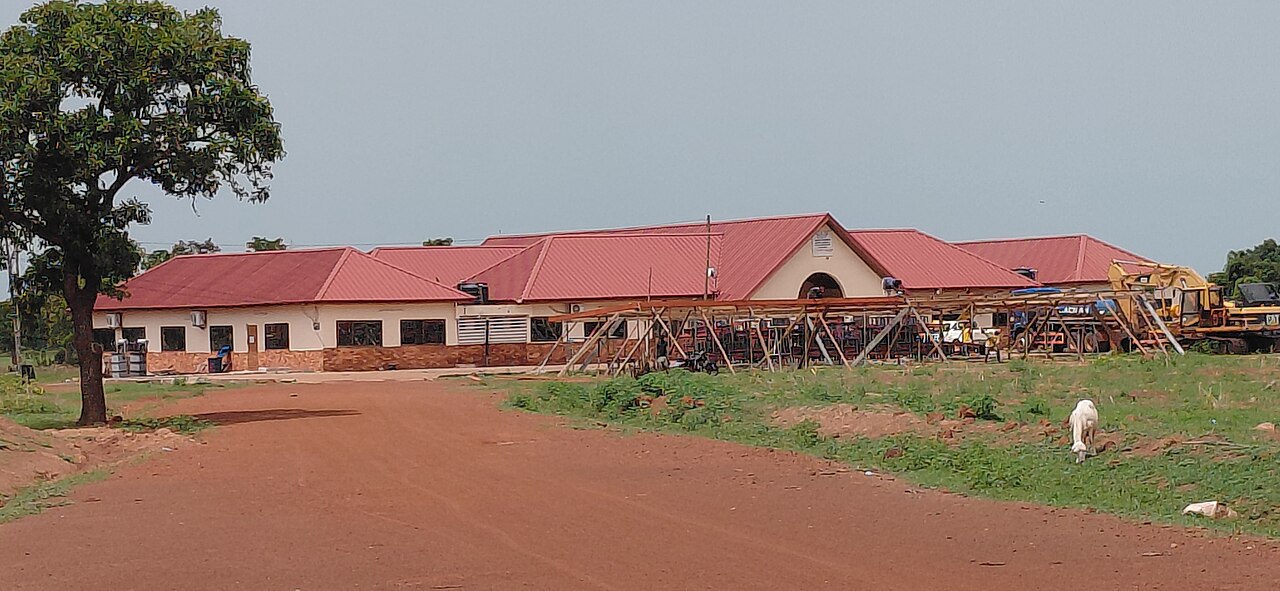
Every district in Ghana has a chief executive who runs its local administration. But unlike members of Parliament, they are not elected directly by residents. The president appoints them, subject to approval by the district assembly. Whether they should instead be elected has been one of Ghana’s longest-running political debates.
Who they are and how they are appointed
Metropolitan, Municipal and District Chief Executives, known as MMDCEs, head the executive arm of local assemblies. They oversee development projects, sanitation, revenue collection and coordination of government services. Under Article 243 of the 1992 Constitution, the president nominates MMDCEs, and at least two-thirds of assembly members present must approve the nominee. District assemblies include elected members, chosen in non-partisan local elections, and appointed members. The assemblies make local bylaws and approve budgets.
Calls for elections and the referendum
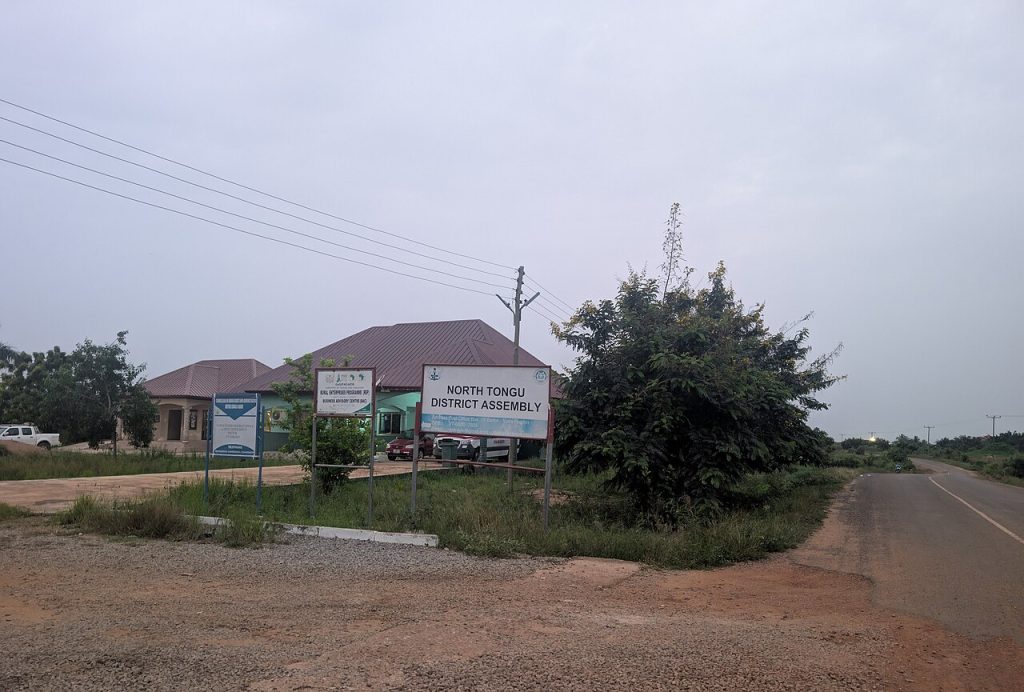
The number of districts has grown over the years, reaching more than 260. Many civil society groups argue that electing MMDCEs would make them more accountable to residents. Critics say appointed MMDCEs are loyal mainly to the president. A referendum was scheduled for December 2019 to amend the Constitution and allow political parties to take part in local elections. The government cancelled it shortly before the vote after opposition parties opposed partisan elections.
Opponents of partisan elections fear they would deepen political division at the local level.
Performance and decentralisation
Debate about electing MMDCEs has continued, with proposals from various governments and constitutional review processes. Assemblies depend heavily on central government transfers, such as the District Assemblies Common Fund, and struggle to raise local revenue. Residents judge MMDCEs on visible results such as roads, markets and sanitation. Assembly members sometimes reject the president’s nominees, forcing new votes or new nominations.
Ghana’s decentralisation policy aims to give local authorities more power, but progress has been slow.
Unit committees and presiding members
Below the assemblies are unit committees, meant to involve residents in local decisions, though many are inactive. Supporters of decentralisation say reviving them would strengthen local democracy. Each assembly elects a presiding member who chairs its meetings, separate from the chief executive who runs day-to-day administration. Ghanaians elect their president and their MP. The official who decides when the local drain gets cleared is still chosen in Accra, and many citizens want that to change.