On the first Saturday of the month, residents were supposed to put down their work, pick up brooms and shovels and clean their neighbourhoods. National Sanitation Day, introduced in 2014 after a deadly cholera outbreak, aimed to make cleaning a shared civic duty. For a time, communities across Ghana took part. The habit did not last, and the waste problem remains.
Cholera and the first clean-ups
In 2014, Ghana suffered a severe cholera outbreak, with thousands of cases and many deaths, especially in Accra. Poor sanitation and contaminated water were major causes. President John Mahama’s government launched National Sanitation Day in November 2014. Citizens were asked to clean their surroundings on the first Saturday of each month. Early clean-up days drew officials, celebrities, churches and community groups. Television showed ministers sweeping gutters.
Over time, participation fell. Critics said a monthly event could not solve problems caused by poor waste collection and planning.
Waste, plastic and landfills
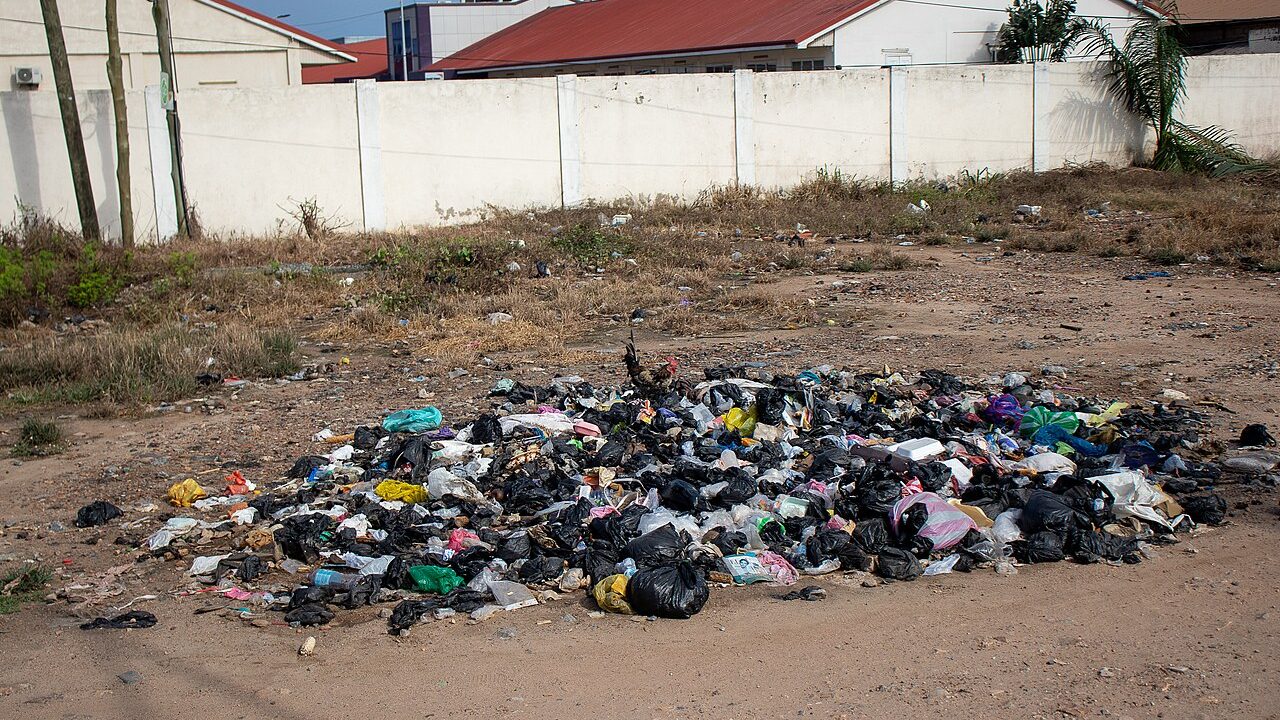
Later governments introduced other campaigns, including efforts to make Accra cleaner, and continued sanitation programmes under assemblies. Accra produces large amounts of solid waste each day. Collection is uneven, and illegal dumping in drains and open spaces is common. Plastic sachets, bottles and bags block drains and contribute to flooding. Recycling efforts exist but remain limited.
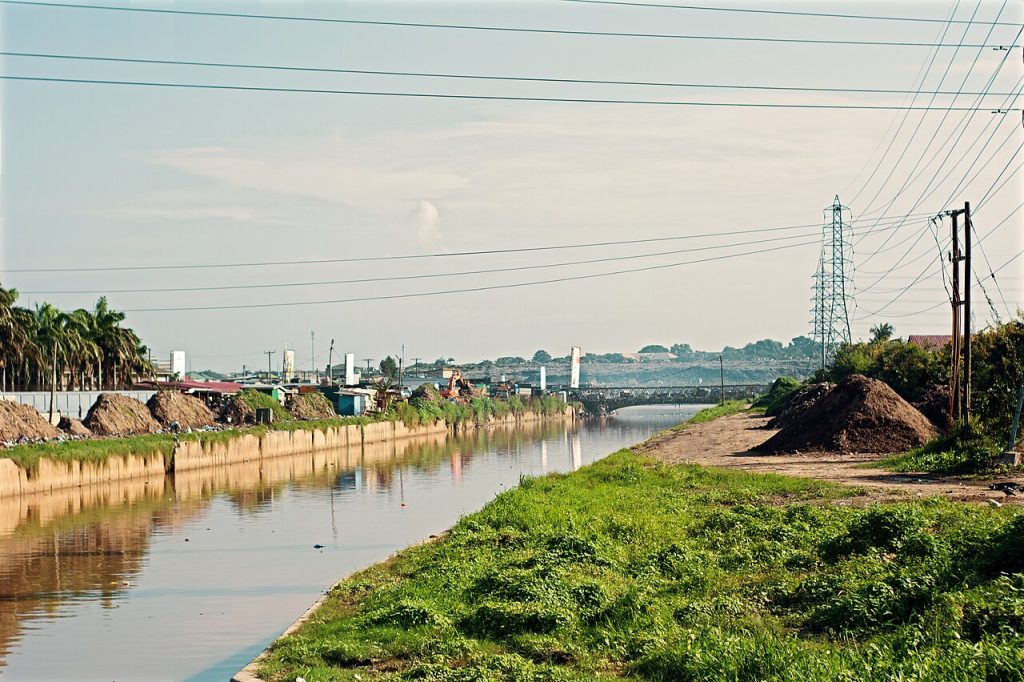
Private companies collect waste in many areas, and households pay for collection. Those who cannot afford it often dump waste illegally. Landfills such as Kpone have been overwhelmed, and new waste treatment facilities have been built. Communal labour has a long history in Ghana. Many communities still organise clean-ups through chiefs and youth groups.
Enforcement and personal responsibility
Assemblies have sanitation bylaws, but enforcement is weak. Sanitation courts have prosecuted some offenders. Waste managers and public health officials argue that lasting change needs reliable collection, public education and enforcement working together. Some schools and churches continue to hold regular clean-up days of their own, and youth groups in many neighbourhoods still organise community clearing of drains before the rainy season.
Many residents admit that littering and dumping in drains is common. Changing habits, through education and example, is part of any long-term solution. Ghana tried to solve its waste problem with one Saturday a month. The rubbish, unfortunately, arrives every day.