The argument never ends. On social media, at parties and between friends, Ghanaians and Nigerians debate whose jollof rice is better. Ghanaians point to their aromatic rice, their spice and their side of shito. Nigerians point to their smoky party jollof. The rivalry is mostly friendly, and it has made jollof one of the most famous dishes in Africa.
What jollof is and Ghana's version
Jollof is rice cooked in a sauce of tomatoes, onions, peppers and spices, often with meat or vegetables. It is a one-pot dish with many regional variations. The dish is widely traced to the Wolof people of Senegal and the Gambia, where a similar dish called thieboudienne is eaten. The name “jollof” comes from the Wolof empire, also called Jolof.
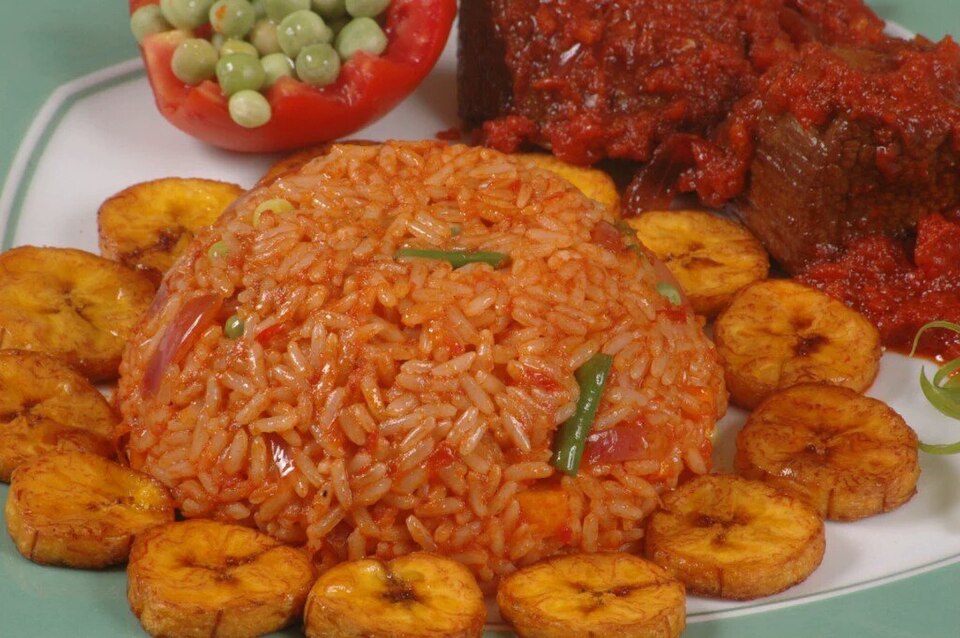
Ghana jollof is often made with fragrant long-grain rice such as jasmine or basmati, cooked in a rich tomato base with spices. Many cooks add mixed vegetables.
Spice, parties and the rivalry
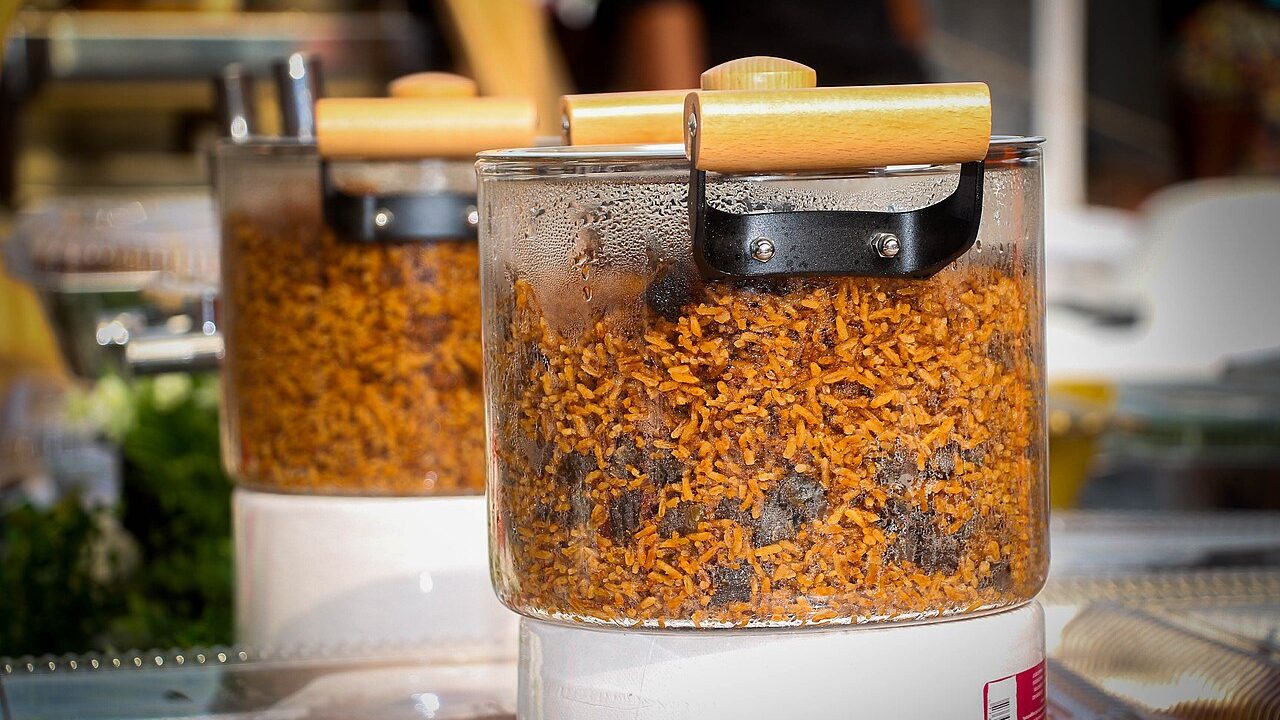
Ghanaian cooks often use ginger, garlic, bay leaves and other spices. The flavour is bold and peppery. Ghana jollof is commonly served with shito, the spicy black pepper sauce, and fried chicken or fish. At weddings, funerals and parties, jollof is cooked in large pots. Caterers compete to produce the best. The “jollof wars” between Ghana and Nigeria became a social media phenomenon, with jokes, memes and cook-offs.
Senegalese observers sometimes remind both countries that the dish originated with them. Jollof festivals and competitions have been held in Accra and abroad. Cooks advise frying the tomato base well, using stock for flavour and cooking the rice slowly to avoid burning.
Abroad, variations and Jollof Day
Ghanaian restaurants abroad serve jollof, often as their best-selling dish. Some cooks add corned beef, prawns or other proteins. Each family has its own recipe. Some Ghanaian cooks now also aim for the smoky flavour of party jollof, cooking over firewood at large events. Others insist that Ghana jollof’s strength is its fragrance rather than smoke.
World Jollof Rice Day is celebrated by fans on 22 August, with social media posts and food events. Ghanaians and Nigerians will probably never agree about jollof. The argument is part of the meal, and both sides keep eating while they make their case.