Twenty years ago, the drive from Achimota to Amasaman passed farms, bush and scattered villages. Today, block houses and half-finished buildings line both sides of the Nsawam road almost all the way, and the old town has become the administrative heart of one of Greater Accra’s fastest-growing municipalities. Amasaman is where many young families now buy land, because it is one of the few places they can still afford.
Where it is and the municipal capital
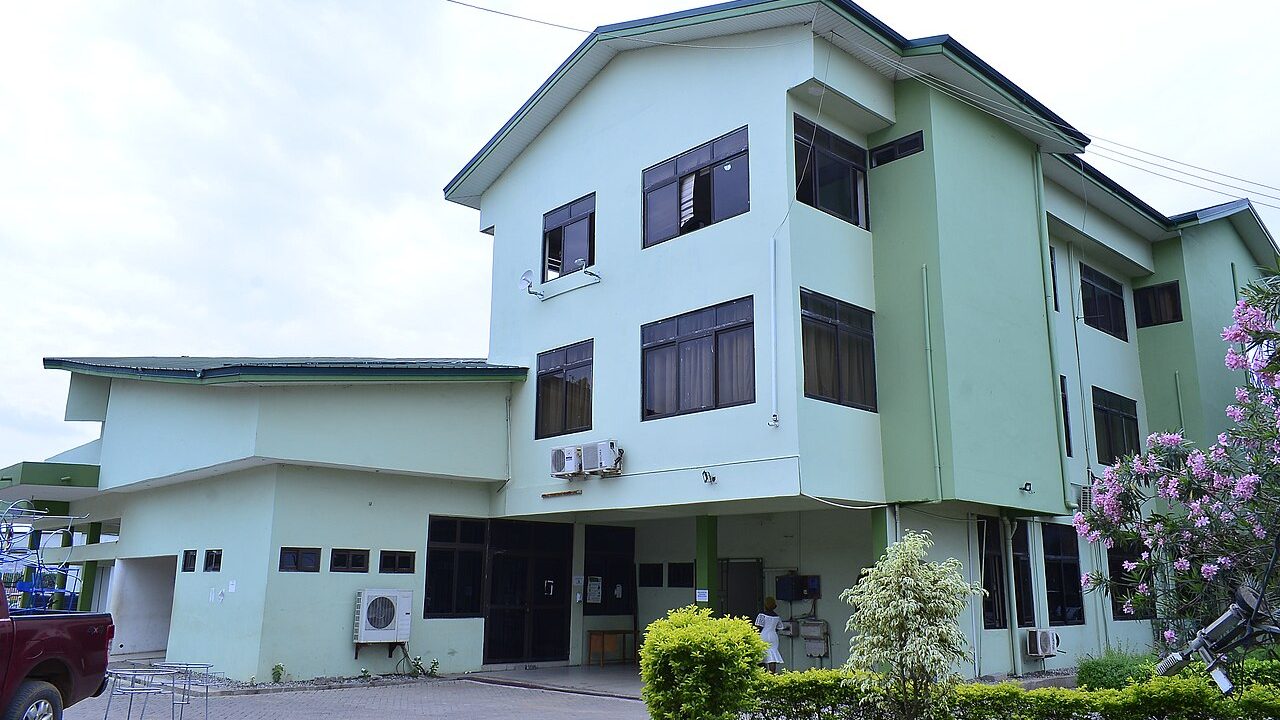
Amasaman lies north-west of central Accra on the highway that runs from Achimota through Ofankor and Pokuase towards Nsawam and Kumasi. It sits close to the border between the Greater Accra and Eastern regions. The town is the capital of the Ga West Municipal Assembly. The assembly offices, a district court and other government agencies are based there, which brings a steady stream of visitors on weekdays.
Farming roots and the housing boom
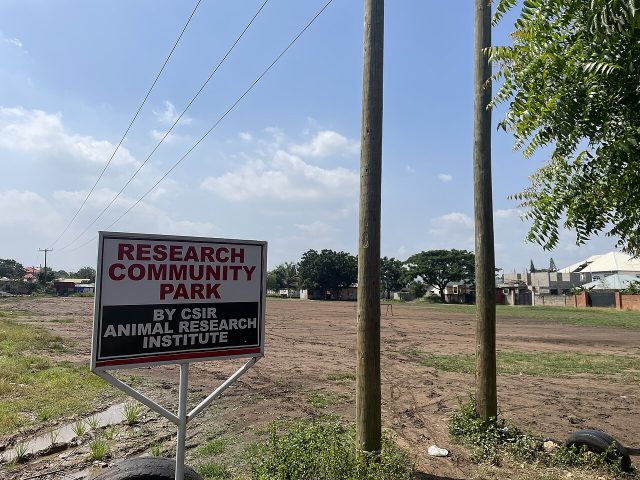
Amasaman and its surroundings were once mainly farming land, with maize, cassava and vegetables grown for Accra markets. Some farms survive on the edges, but many have been sold off as building plots.
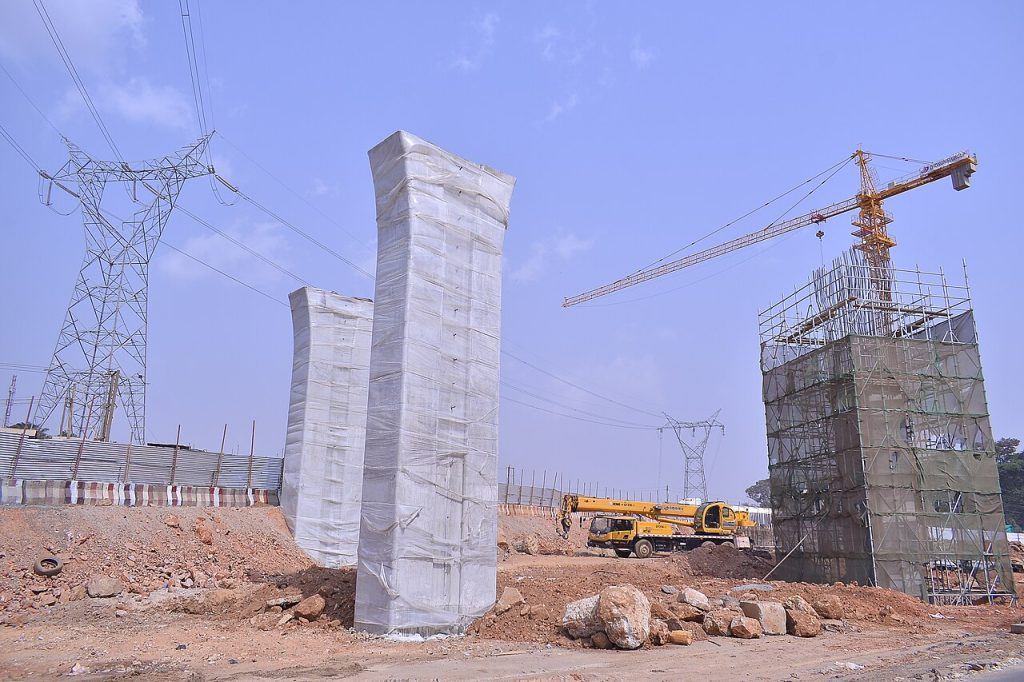
As land prices in central Accra rose, buyers moved outwards. Areas around Amasaman, including Pokuase, Medie and Kotoku, filled with new houses, many built slowly over years as owners saved money. The opening of the Pokuase interchange eased some of the traffic on the route towards the city. Even so, the morning rush from Amasaman towards Achimota and Circle remains heavy.
Land, water, markets and the hospital
Like other fast-growing areas, Amasaman has seen land disputes, including cases where the same plot is sold to more than one buyer. Buyers are advised to search records at the Lands Commission before paying. Many new neighbourhoods lack paved roads, drains and piped water. Residents often rely on boreholes and water tankers while waiting for services to reach them.
The Amasaman market serves surrounding communities, and shops, churches and schools have multiplied along the highway. The Ga West Municipal Hospital at Amasaman serves a large and growing population, and residents have called for more health facilities.
Transport and looking ahead
Trotros run along the highway to Achimota, Circle and Kaneshie, while taxis and okada riders link the side roads. Planners warn that development is running ahead of infrastructure, and that drainage and road reservations should be protected before every plot is built on. The area’s growth shows no sign of slowing as Accra’s population continues to rise.
Amasaman was once the last stop before the farms. It is now one of the places where Accra’s next generation of homeowners is pouring its foundations, one bag of cement at a time.