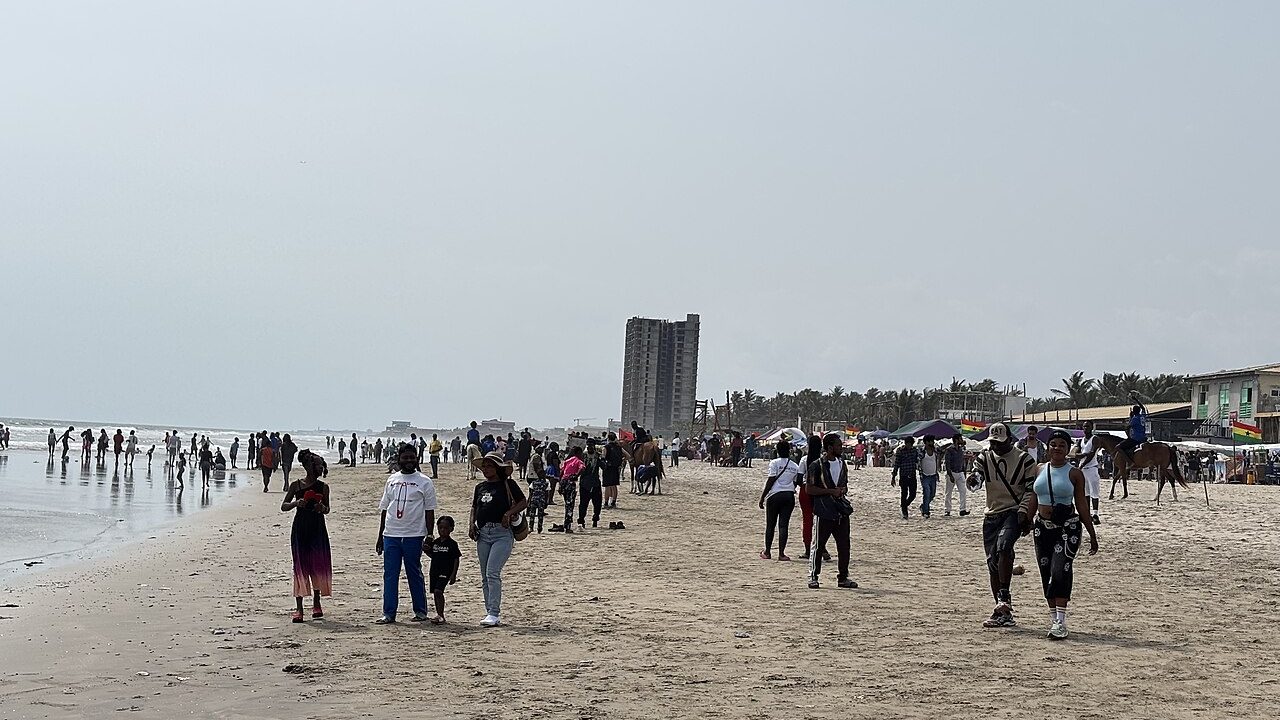
Most visitors know only the beach. On weekends, La Pleasure Beach fills with music, horses for hire and families escaping the heat. A short walk inland, the old town of La, also called Labadi, has narrow streets, family compounds and shrines that date back centuries. La is one of the six traditional Ga towns of the Accra coast, and it has kept its own identity even as the city has grown around it.
A Ga town and its history
La is counted alongside Ga Mashie, Osu, Teshie, Nungua and Tema as one of the six Ga towns. It has its own paramount chief, the La Mantse, and its own priests, elders and Asafo companies. “Labadi” is the name many outsiders use, but residents usually call the town La. The beach area is officially La Pleasure Beach.
According to tradition, La was settled by Ga migrants who came to the coast centuries ago. People from La are said to have founded Teshie, and the two towns maintain close ties.
The beach, hotels and Homowo
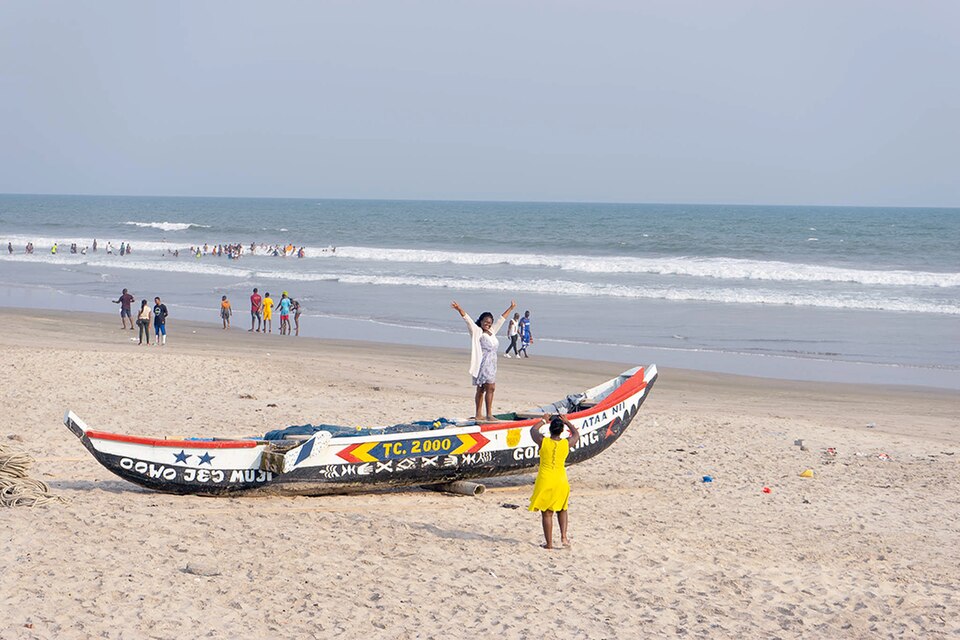
La Pleasure Beach is one of Accra’s most popular beaches. Bars, food stalls, dancers and drummers line the sand, and the beach is busiest on Sundays and public holidays. The Labadi Beach Hotel, one of Accra’s best-known hotels, sits near the coast and hosts conferences, weddings and visitors. La celebrates Homowo with its own rituals. The festival includes a ban on drumming, a procession and the sprinkling of kpokpoi to honour ancestors.
Fishing, land and the hospital
Fishing remains important in the old town. Canoes land on the shore, and women process and sell the catch. La falls under the La-Dade-Kotopon Municipal Assembly, which also covers nearby areas such as Labone and Cantonments. La traditional authorities hold claims to large areas of land, including parts of the airport and Cantonments area. Disputes over land and compensation are long-running.
The La General Hospital serves the community. Its redevelopment became a public issue in the 2020s after the old building was demolished and rebuilding stalled.
A changing town and visiting
Rising land prices and new development have changed parts of La. Some residents worry that young people cannot afford to live in their own hometown. Visitors to the beach should watch their belongings and be careful of strong currents. Tourists come to La for the beach. The town behind it has been celebrating Homowo, landing canoes and settling disputes before its elders for far longer than the beach bars have existed.