It was well after midnight when soldiers walked into Ghana’s Parliament. Members had been arguing for hours over the election of a Speaker, a ballot box had been snatched and the chamber had descended into shouting and shoving. The scene on the night of 6 to 7 January 2021 was unlike anything the Fourth Republic had seen. It was the start of the first hung Parliament in the country’s history.
The result and the independent
The December 2020 parliamentary elections gave the governing New Patriotic Party 137 seats and the opposition National Democratic Congress 137 seats. The remaining seat went to an independent, Andrew Amoako Asiamah, who had broken away from the NPP. Asiamah announced that he would work with the NPP, giving the governing party a narrow working majority on some votes.
The Speaker vote and soldiers in the chamber
On the night of the dissolution of the old Parliament and the swearing-in of the new one, members voted for a Speaker. Disputes over the rules, the presence of a member whose election was being challenged and the counting of ballots led to chaos.
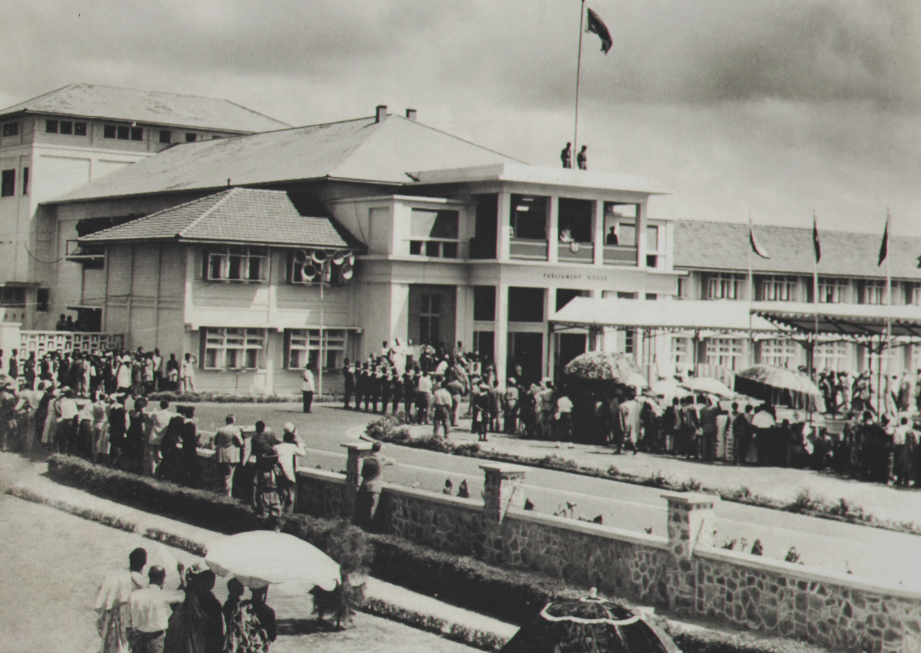
At one point, armed soldiers entered the chamber, an act widely condemned as a threat to parliamentary independence. They later withdrew.
Bagbin, cooperation and by-elections
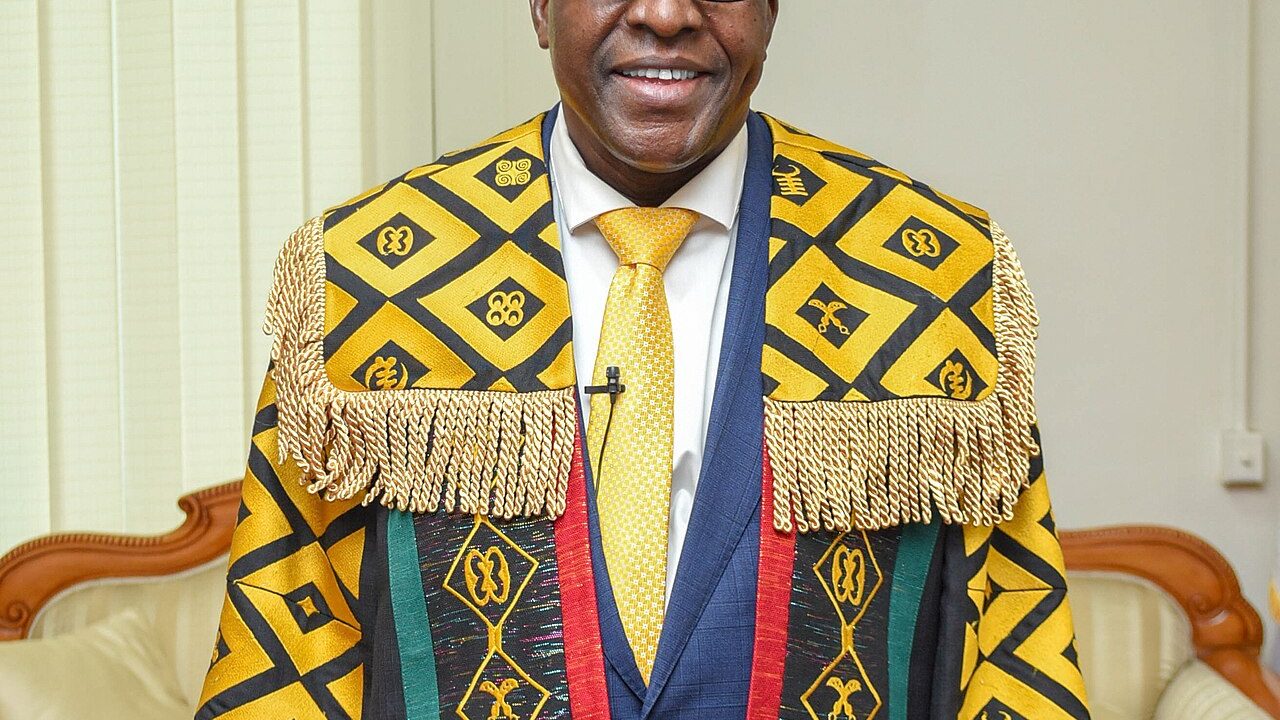
Alban Bagbin, a veteran NDC MP, was elected Speaker, defeating the NPP’s candidate, Mike Oquaye. It was the first time a Speaker came from a party other than the president’s. The split forced the parties to negotiate on budgets, laws and appointments. Some observers hoped this would strengthen Parliament as a check on the executive.
Key measures, such as the 2022 budget and the electronic transfer levy, led to walkouts, disputes over quorum and court cases. By-elections caused by the deaths of members could shift the balance, making every seat important.
Late disputes, the end and lessons
In October 2024, Bagbin declared four seats vacant because their holders had filed to contest the next election as independents or for another party, a ruling the Supreme Court later set aside. The December 2024 elections gave the NDC a large majority, ending the hung Parliament. Many analysts say the period showed both the potential and the risks of a closely divided legislature.
Ghana’s voters split their Parliament almost perfectly in 2020. For four years, every important vote depended on who was in the chamber, and that first night showed how high the stakes would be.