The artist’s impressions showed sleek trains gliding above Accra’s traffic jams on elevated tracks. In 2019, the government announced the Accra Sky Train, a light rail network that promised to carry commuters quickly across the city. Years later, there were no tracks, no stations and no trains. Instead, there were questions about money spent on a project that never left the drawing board.
The plan, cost and partners
The Sky Train was presented as a public-private partnership to build an elevated rail network linking key parts of Greater Accra. Officials said it would reduce congestion and pollution. The project was estimated to cost billions of dollars, to be raised mainly from private investors. A consortium was selected to develop the project, and the Ghana Infrastructure Investment Fund became involved as a state investor.
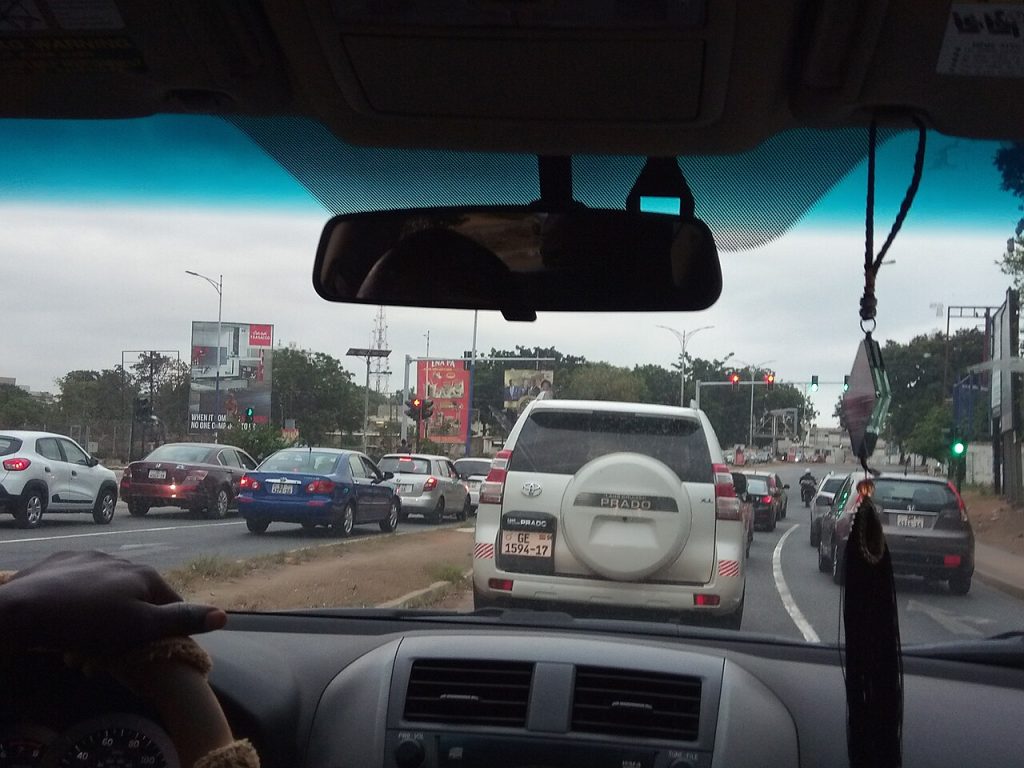
Despite announcements and agreements, construction did not begin. Funding was not secured, and the project stalled.
Scrutiny, responses and Accra's traffic
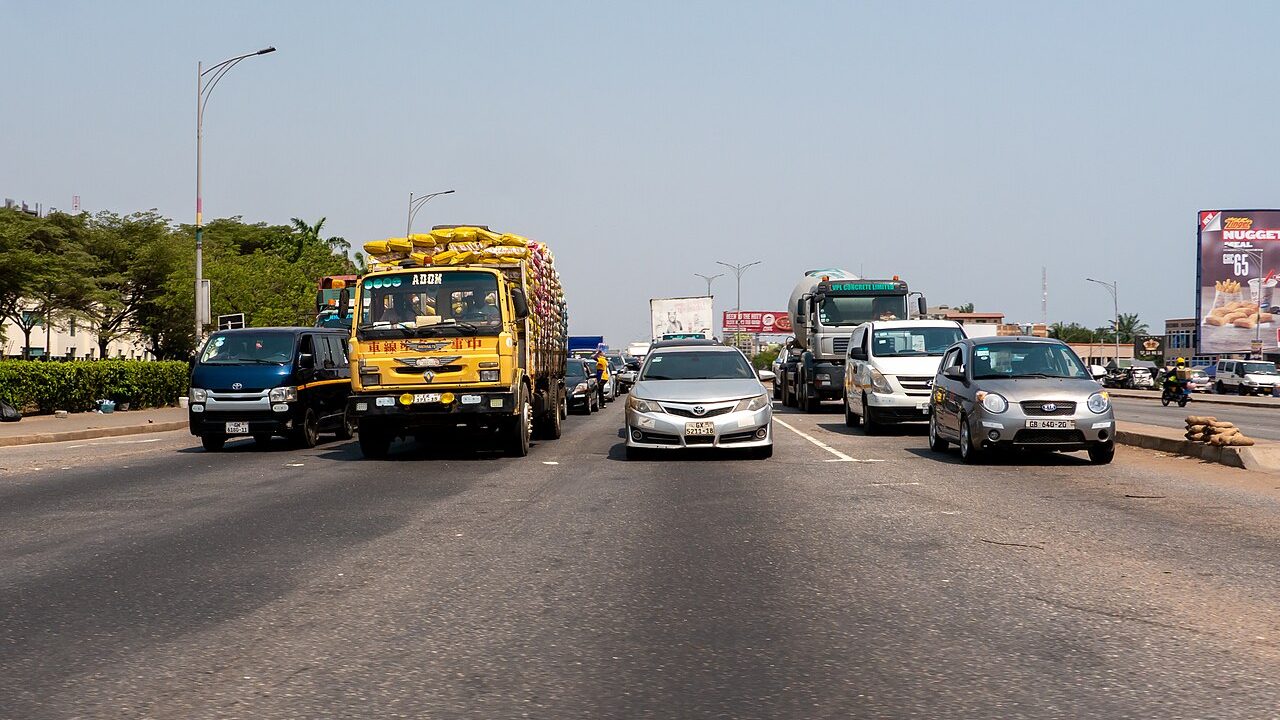
In 2023, reports and parliamentary questions raised concerns that money from the state fund had been paid to a company linked to the project, without any visible progress. The issue became a political controversy. Officials defended the involvement as part of early development costs, while critics called for accountability and investigations. Accra’s traffic problem remains serious. The city depends heavily on trotros, taxis and private cars, with limited mass transit.
Bus rapid transit, railway rehabilitation and road interchanges have been tried with mixed results. Transport planners argue that big projects need secure funding, careful planning and transparency before money is committed. Many Accra residents now treat new transport announcements with scepticism.
What comes next and the cost
The need for mass transit remains, and future governments will face the same challenge. Commuters in Accra can spend hours each day in traffic, which costs the economy money in lost time and fuel. That cost is the reason mass transit projects keep coming back onto the agenda. Other African cities, including Lagos and Addis Ababa, have built urban rail lines, giving Accra residents examples to compare with their own city.
Taxpayers want to know what was spent. The Sky Train was supposed to lift Accra’s commuters above the traffic. It left them where they were, and left the public asking where the early money went.