In every Ghanaian boarding school, there comes a moment near the end of the term when the provisions run low and the dining hall food is not enough. Out comes the gari. Mixed with cold water, sugar, a splash of evaporated milk and a handful of roasted groundnuts, it becomes gari soakings, a bowl that has saved countless hungry students. For many Ghanaians, it is more than food. It is a memory of school days.
What gari is and how it is soaked
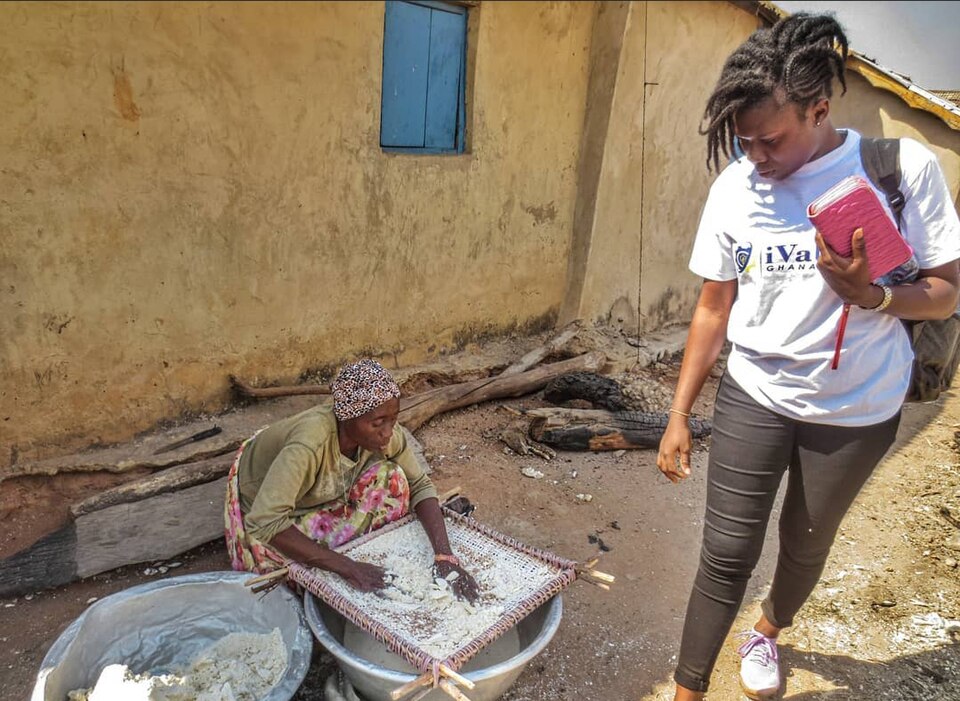
Gari is made from cassava that is peeled, grated, fermented, pressed and roasted into dry granules. It keeps for a long time without refrigeration. For soakings, gari is placed in a bowl and covered with cold water. It swells quickly, and the floating husks are poured off. Most people add sugar and milk, usually evaporated or powdered. Roasted groundnuts add crunch. Some add honey or condensed milk.
Some prefer savoury versions, eating gari with shito, sardines or beans. Others add fruit, such as banana or pineapple.
School, cost and culture
Gari is one of the essential items on a boarding school provisions list, alongside sugar, milk, Milo and biscuits. On university campuses, students on tight budgets rely on gari when money runs short. Gari provides energy but little protein. Adding groundnuts and milk improves its nutritional value. It remains one of the cheapest meals available, especially when bought in bulk.
Gari is also used in eba, a stiff dough, and sprinkled on red red and other dishes. Ghanaian social media is full of jokes about gari as a student’s best friend. Gari is exported to Ghanaian and Nigerian communities abroad.
Types, processing and cold water
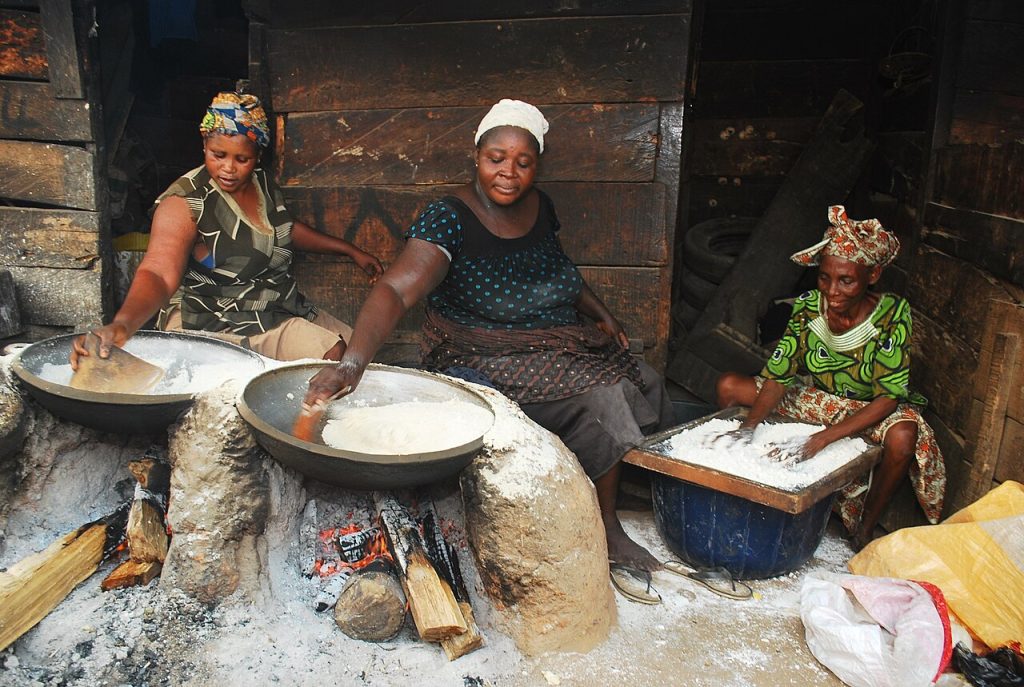
Gari comes in different textures and colours, from fine white gari to coarser yellow gari made with palm oil. Some regions are known for particular types, and buyers have strong preferences. Women in many communities process gari by hand, roasting it in large pans over wood fires, and the work provides income for many families.
Kept dry in a sealed container, gari lasts for months. Cold water works best for soakings. Gari soakings will never appear on a fine-dining menu. It has fed more Ghanaian students through the last weeks of term than any other meal.