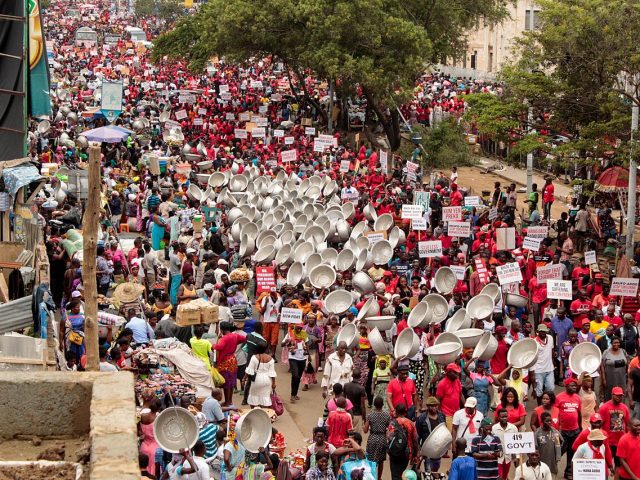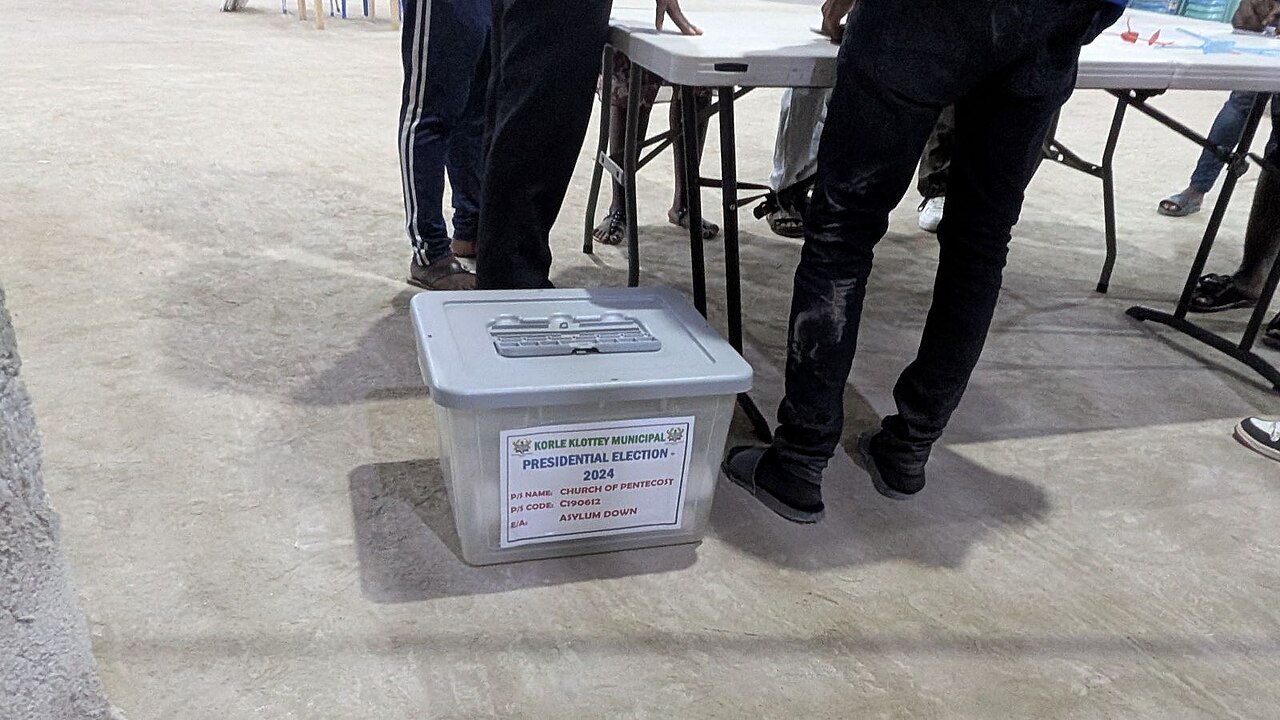
When the 2008 presidential election in Ghana went to a run-off and then to a final vote in a single constituency, the country held its breath. The margin between the two candidates was tiny, and tension was high. At the centre of it all sat Kwadwo Afari-Gyan, the chairman of the Electoral Commission, calmly announcing results. By the time he retired in 2015, he had overseen more Ghanaian elections than anyone else and earned a reputation across Africa for independence.
Background and the elections he ran
Afari-Gyan was an academic, a political scientist who taught at the University of Ghana before joining the Electoral Commission. He became chairman of the Electoral Commission in the early 1990s, as Ghana returned to constitutional rule under the 1992 Constitution. He oversaw general elections from 1996 to 2012, including the first peaceful transfer of power between parties in 2000.
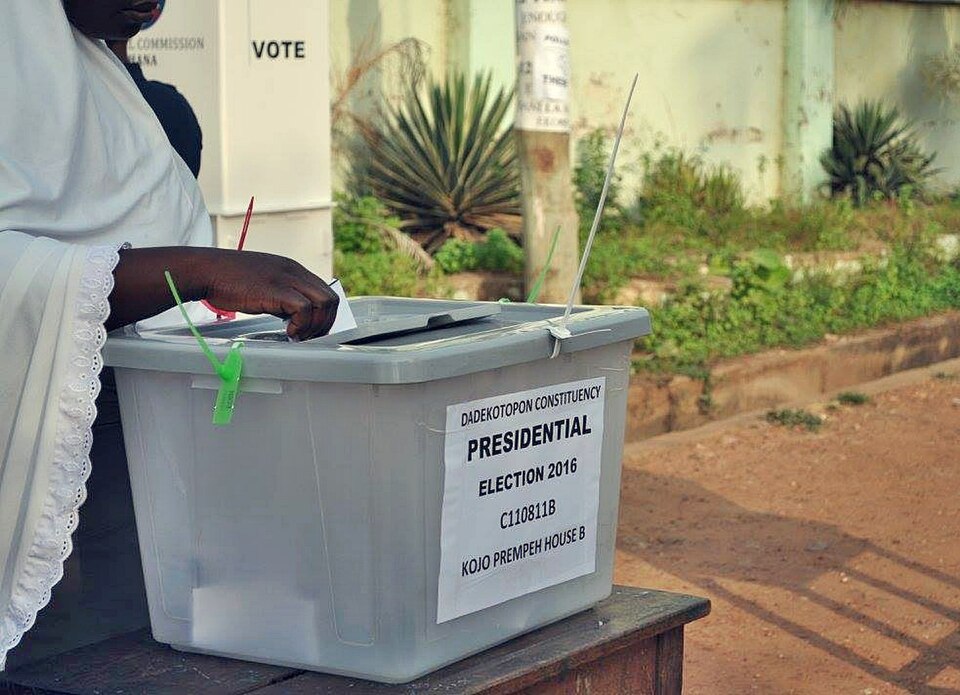
The 2008 election was one of the closest in African history. The final result depended on a re-run in the Tain constituency.
The 2012 petition and retirement
After the 2012 election, the NPP challenged the result in the Supreme Court. Afari-Gyan testified at length, and the court upheld the result in 2013. The petition hearings made the “pink sheets”, polling station result forms, famous across Ghana. His testimony was broadcast live. He was widely respected for his calm manner and independence, though critics raised concerns about the register and procedures.
He advised electoral bodies in other countries and was respected abroad. He retired in 2015 and was succeeded by Charlotte Osei. Later chairs included Jean Mensa. After retirement, he commented on electoral reforms and the conduct of elections.
Legacy and life before the EC
He is credited with helping build the credibility of Ghana’s elections during the early decades of the Fourth Republic. His tenure showed the importance of a respected, independent electoral body. Under his leadership, the Electoral Commission introduced biometric voter registration and verification ahead of the 2012 election, a major change meant to reduce impersonation and multiple voting.
He was also involved in drafting electoral rules for the return to constitutional rule. Ghanaian voters rarely know who counts their ballots. For two decades, many of them knew Afari-Gyan’s name, and that recognition was a sign of how much trust he had built.