In 2022, Ghanaian households watched prices rise almost every week. Fuel, transport fares, food, rent and school fees all went up. By December, the Ghana Statistical Service reported annual inflation of about 54 percent, the highest in more than two decades. The cedi lost much of its value against the dollar, and many families struggled to afford basics. The crisis pushed the government to seek help from the International Monetary Fund and to restructure Ghana’s debts.
The numbers and the causes
Inflation rose steadily through 2022, passing 30 percent by mid-year and peaking at around 54 percent in December, according to official figures. The cedi depreciated sharply against the dollar during the year, making imports more expensive. Factors included high government debt, loss of access to international markets, global price rises after Russia’s invasion of Ukraine and the weak cedi.
Fuel prices rose sharply, pushing up transport fares and the cost of goods. Food inflation was especially high, hitting poorer households hardest. The central bank raised its policy rate several times to try to slow inflation.
Protests, the IMF and recovery
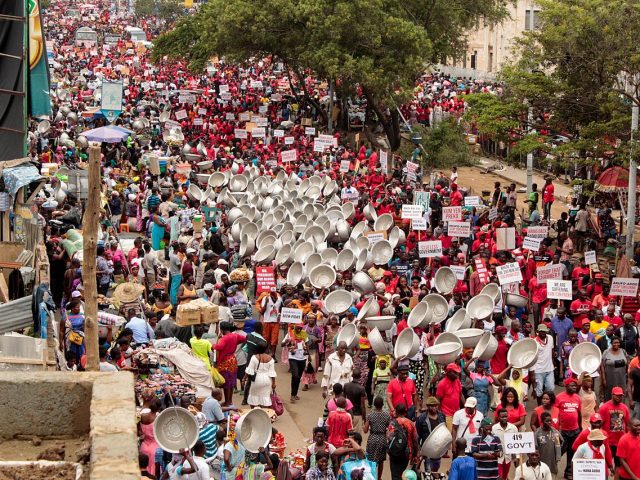
The cost of living sparked protests, including the Arise Ghana demonstration in June 2022. In July 2022, the government announced it would seek IMF support, and a programme was later agreed. Ghana launched a domestic debt exchange and suspended payments on some external debt in December 2022. Families cut spending, skipped meals and sought extra work to cope with rising prices.
Businesses faced higher costs and falling demand, and some closed. Inflation began to fall in 2023 and 2024, though prices remained far higher than before the crisis. The crisis renewed debate about government borrowing and economic management.
Fares, rents and savings
Commercial drivers raised fares several times during the year as fuel prices climbed, adding to the daily costs of workers and students. Landlords and private schools increased charges, and many families had to renegotiate rent or move to cheaper accommodation. People with savings in cedis saw their value fall, and some turned to dollars or goods as a store of value.
Inflation is measured in percentages. In 2022, Ghanaians measured it in the number of items they could no longer put in a shopping basket.