
For years, many of the cars on Ghana’s roads arrived as used vehicles from Europe, North America and Asia. Some were badly damaged in accidents abroad, declared salvage and shipped to Tema for repair. In 2020, Parliament passed an amendment to the Customs Act that banned the import of salvaged vehicles and of cars older than ten years. The government argued the change would improve road safety and support local car assembly. Dealers and many buyers were less enthusiastic.
The law and local assembly
The Customs (Amendment) Act of 2020 introduced the restrictions. It banned the import of salvaged motor vehicles and set an age limit on imported vehicles, with some exceptions. Officials said older and salvaged vehicles were unsafe, polluting and expensive to maintain. The ban was also linked to the government’s automotive development policy, which offered incentives to manufacturers to assemble vehicles in Ghana.
Several international carmakers set up assembly operations in Ghana, alongside the local brand Kantanka. The government hoped the ban would create demand for their vehicles.
Dealers, exemptions and prices
Used-car dealers argued that most Ghanaians could not afford new cars and that the ban would hurt their businesses. Some imports already on the way faced uncertainty. The law included exemptions for certain vehicles, such as some special-purpose vehicles and those imported by particular categories of buyers. Some buyers reported higher prices for used cars as supply tightened. Others turned to vehicles already in the country.
The spare parts trade, centred on markets such as Abossey Okai, watched the changes closely, since older vehicles need more parts. Officials warned against attempts to bring in banned vehicles through neighbouring countries.
Debate, road safety and emissions
The policy remains a subject of debate between those who prioritise safety and local industry and those concerned about affordability. Supporters of the ban pointed to Ghana’s high rate of road crashes and argued that older and poorly repaired vehicles contributed to the danger. Road safety campaigners welcomed stricter rules on imports. Environmental groups noted that older vehicles tend to produce more pollution, a concern in congested cities such as Accra and Kumasi.
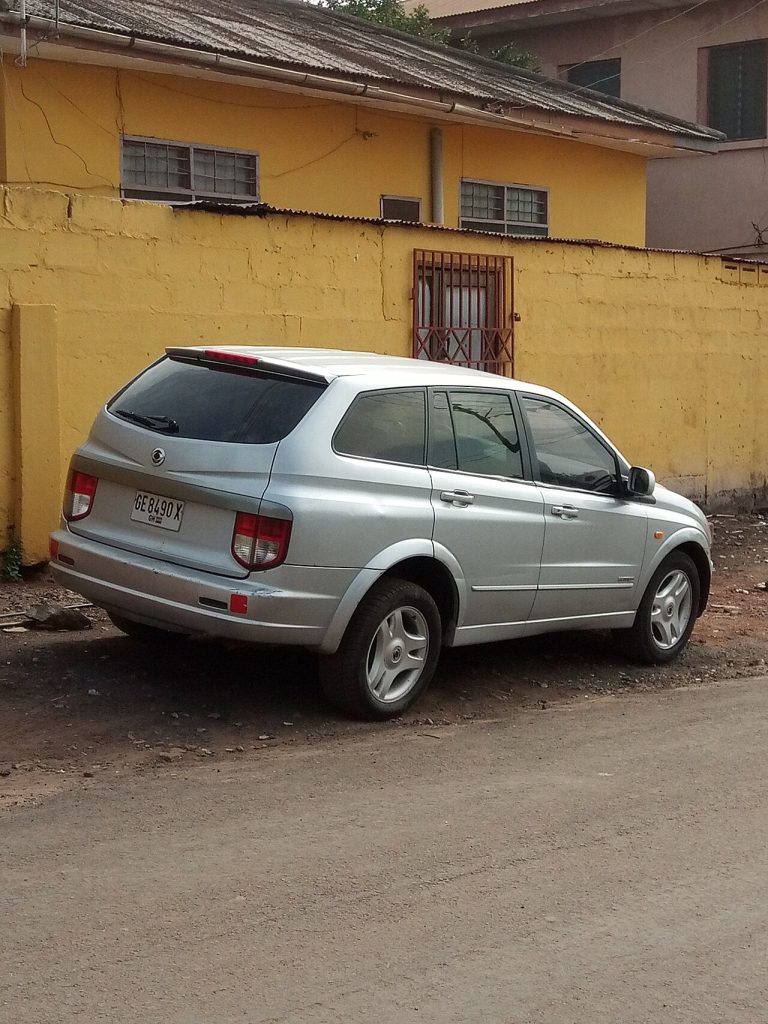
Accra’s roads still carry plenty of cars older than ten years. The law changed which cars can arrive at Tema, not which ones are already parked outside Ghanaian homes.