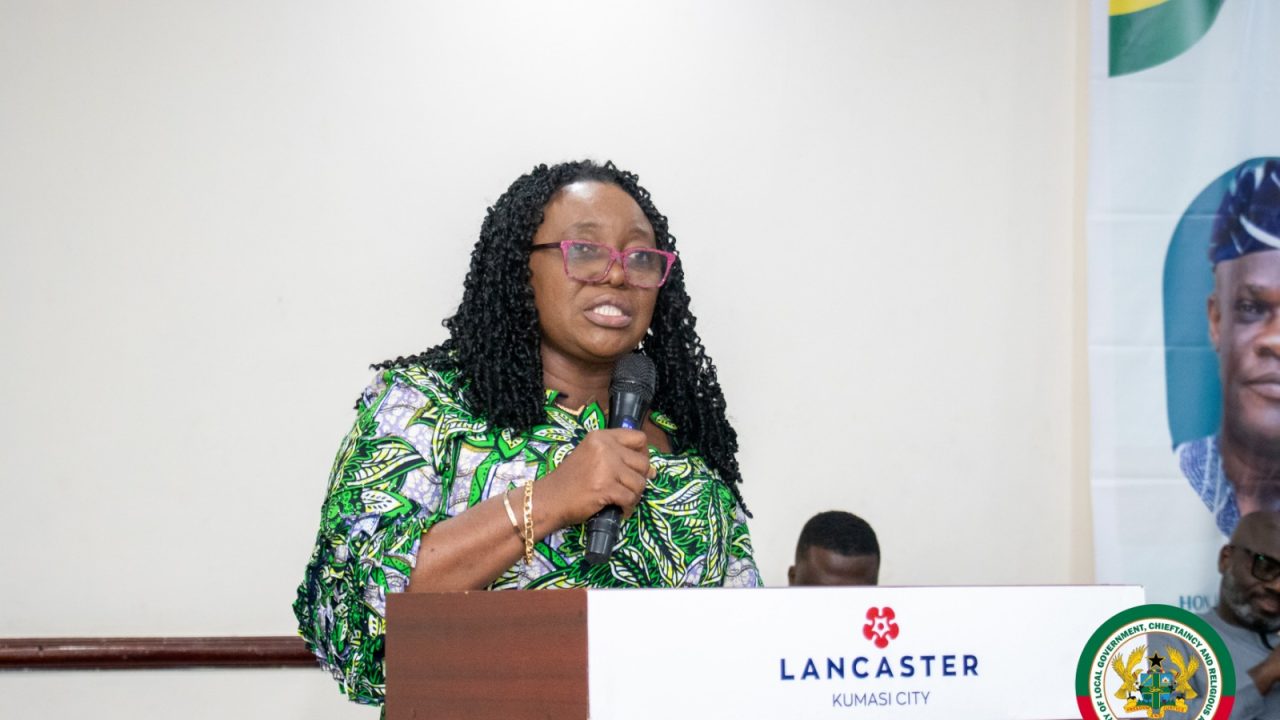
Dr Rita Naa Odoley Sowah, Ghana’s Deputy Minister for Local Government Chieftaincy and Religious Affairs, urged a nationwide return to the handwashing practices common during the COVID-19 pandemic. Speaking at the launch of the 2026 Global Handwashing Day campaign on October 15, she called on public institutions and communities to adopt handwashing with soap as a daily habit to prevent avoidable diseases.
“It is worrying to visit public facilities and find toilets closed or discover that those in use have no soap or appropriate materials for drying hands,” Dr Sowah said. She challenged Metropolitan, Municipal and District Assemblies to make hand hygiene a visible, funded, and monitored part of their development plans. “Our environmental health teams must strengthen monitoring and follow-up,” she added.
Dr Sowah, who is also the Member of Parliament for La Dadekotokpon, outlined practical steps for local authorities. She urged them to identify priority public locations, assign clear responsibility for providing water and soap, allocate budgets for replenishment and repairs, and track the functionality of handwashing facilities after installation.
The Deputy Minister stressed the need for regular inspections of markets, lorry stations, slaughterhouses, public toilets, schools, and health centres to ensure handwashing facilities are operational and sufficiently stocked. She suggested daily checks by market managers, traders’ associations or facility attendants, supported by periodic verification from environmental health officers.
Traditional leaders were also called upon to promote handwashing and environmental cleanliness at festivals and public events. Dr Sowah said chiefs could encourage households to place simple handwashing stations near toilets or kitchens, while queen mothers could champion hygiene among mothers, caregivers, and market women. She also proposed community volunteers monitor shared facilities and report issues to district assemblies.
Dr Frank Lule, WHO Country Representative, commended the Ministry for advancing water, sanitation, and hygiene as fundamental pillars of public health and sustainable development. Ibrahim Musah, Head of Strategy at WaterAid Ghana, urged collective support for government efforts to promote universal handwashing hygiene.
Atta Arhin of World Vision emphasized that handwashing facilities must include soap under running water to be effective and affordable. Theodora Adomako Adjei, former coordinator for handwashing with soap, praised the Ghana Water and Sanitation Journalists’ Network for their ongoing support since the campaign’s inception.
The event drew representatives from UNICEF, WHO, the World Bank, World Vision Ghana, WaterAid Ghana, Ghana Health Service, Ghana Education Service, the Coalition of NGOs in Water and Sanitation, and other stakeholders.
Global Handwashing Day is observed annually on October 15 to raise awareness about hand hygiene and its role in disease prevention. Dr Sowah’s call comes as Ghana faces challenges with public sanitation infrastructure, particularly in busy urban centres where handwashing facilities often lack soap or water.
Her insistence that hand hygiene must be integrated into local development plans suggests a shift toward institutional accountability. The focus on traditional leaders as community influencers also reflects a broader strategy to embed hygiene practices in daily social life.
Despite the pandemic’s decline, the appeal to revive handwashing habits signals ongoing concern about preventable diseases linked to poor sanitation. The campaign’s slogan, “I am a handwashing hero,” aims to personalise responsibility and encourage widespread participation in public health efforts.
According to Joy Online.