The fuel station is still at Kwame Nkrumah Circle. Some commuters see it as a filling station that no longer works. For others it is a memorial to the night of 3 June 2015, when floodwater mixed with fuel from its tanks caught fire and killed at least 150 people who had sheltered there from the rain. The burnt-out vehicles from that night are still parked in a yard nearby, next to the Ghana Commercial Bank.
Eleven years on, the families of the dead and the survivors are still waiting for a court to rule on their claim for compensation, and parts of Circle still flood when heavy rain falls.
What happened that night
Accra had endured several days of heavy rain by the evening of 3 June. The Odaw River and the drains feeding it overflowed, and Circle, one of the lowest and busiest points in the city, went under water. People who could not get home crowded into the GOIL filling station near the interchange, along with cars and buses trapped by the flood.
Around 11pm, fire broke out. Fuel from the station’s underground tanks had mixed with the floodwater, and the flames spread across the surface and through the crowd. The Graphic’s first report, filed in the early hours of 4 June, described six fire tenders fighting a blaze that had spread to nearby buildings, including a pharmacy and a forex bureau, while floodwater and a power cut slowed the rescue.
The final death toll has been reported differently over the years. Citi Newsroom put it at 154 at the tenth anniversary, with as many again injured, while the Ghana News Agency used a figure of 159 this June. The 37 Military Hospital alone received more than 100 bodies, and some victims were found days later in open drains.
President John Dramani Mahama, in his first term, visited the scene and declared three days of national mourning. “Never again,” he pledged, according to the GNA.
What the inquiry found
The committee the government set up to investigate described the flooding of Circle as the remote cause of the fire and the overflow of fuel from the GOIL station as the intermediate cause. The trigger, it said, was a man who dropped a lit cigarette into the fuel-laced floodwater. Citi Newsroom reported that the committee named him as Seth Kwesi Ofosu.
The inquiry also listed the conditions that made the disaster possible: choked drains, building along watercourses, poor waste management, weak enforcement of planning rules, poor disaster preparedness and lapses in safety management at the fuel station. Property losses were estimated at GH¢1.65 million. Among its recommendations were large-scale drainage works, including dredging and desilting the Odaw and its tributaries, and a sanitation police force.
Eight years in court
In 2018, 69 victims filed a class action against GOIL PLC, the National Petroleum Authority, the Accra Metropolitan Assembly and the station’s management, seeking GH¢40 million in compensation. The case against the station’s dealer, Thomson Obeng Annani, ended when he died.
Their lawyer, Etornam Caleb Afutu, told the Labari Journal in June that seven victims had testified and that witnesses for GOIL and the NPA had given evidence. He said he hoped for a judgment before the end of 2026. The AMA has repeatedly failed to appear and has been sanctioned by the court.
The OneGhana Movement and the Coalition of June 3 Victims held this year’s memorial at Circle on 3 June. “The disaster of June 3 was needless,” said Senyo Hosi, the movement’s convener. “It ought to have been avoided if those entrusted with the responsibility to take care and exercise duty of care to all and sundry were up to their task.” He called for interim support for survivors still living in hardship while the case continues.
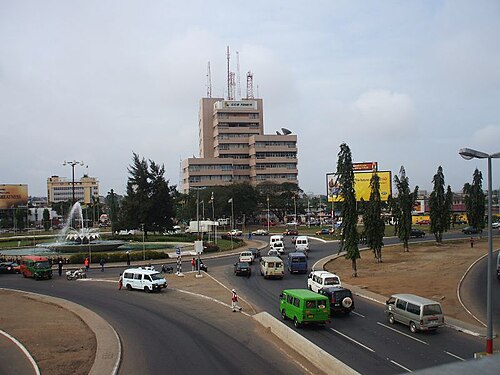
Circle still floods
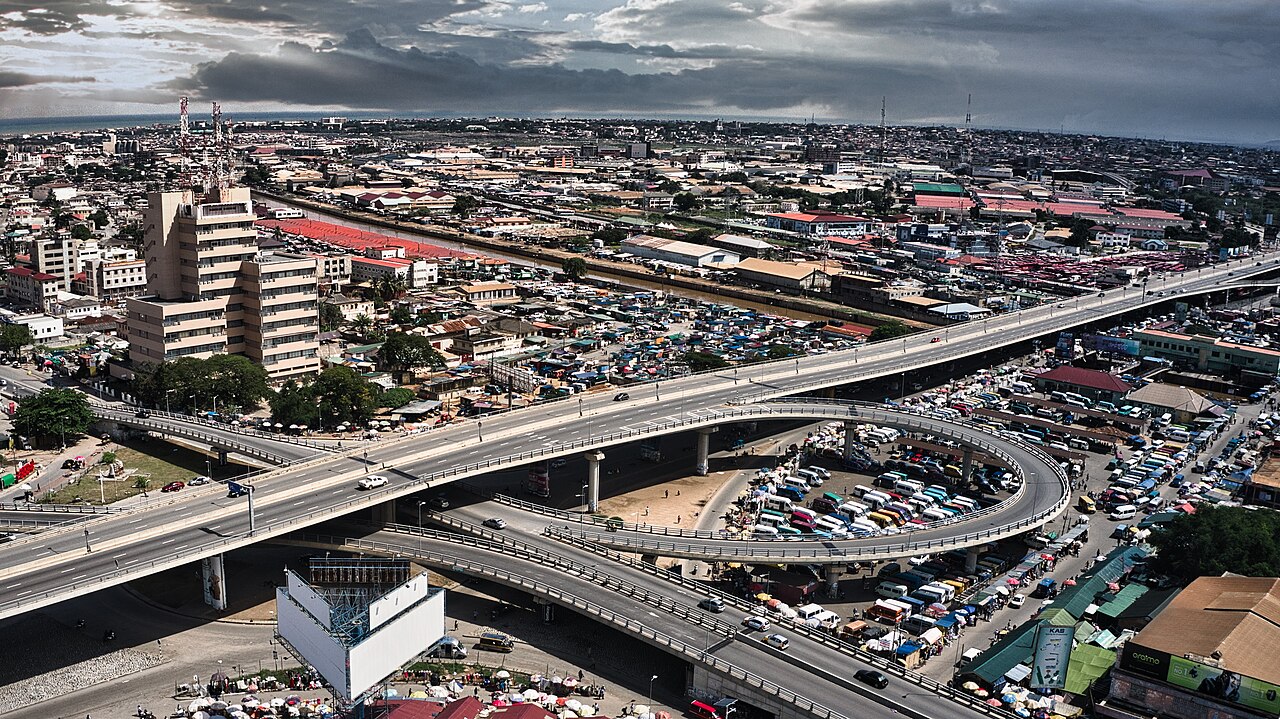
The roundabout at Circle has since been replaced by the three-tier Kwame Nkrumah Interchange, which Mahama cut the sod for in 2013 and which opened in 2016. The interchange moves traffic, but it has not stopped the water. On 29 June 2026, heavy rain flooded the area around it again and left hundreds of commuters stranded.
Successive governments have desilted drains and demolished structures built on waterways, but the GNA’s anniversary report found drains still clogged and encroachment continuing. Alajo, Odawna, Kaneshie, Weija, Adenta, Madina and Malam are among the communities that still flood. Accra had serious floods in 1955, 1960, 1963, 1973 and repeatedly after that, before 2015.
Nana Kofi Opoku, a principal meteorologist at the Ghana Meteorological Agency, told the GNA that a warmer climate is feeding heavier downpours. “When the atmosphere warms, it is able to hold more moisture,” he said. Every rainy season since 2015 has brought the water back to the same junction where the station still stands.