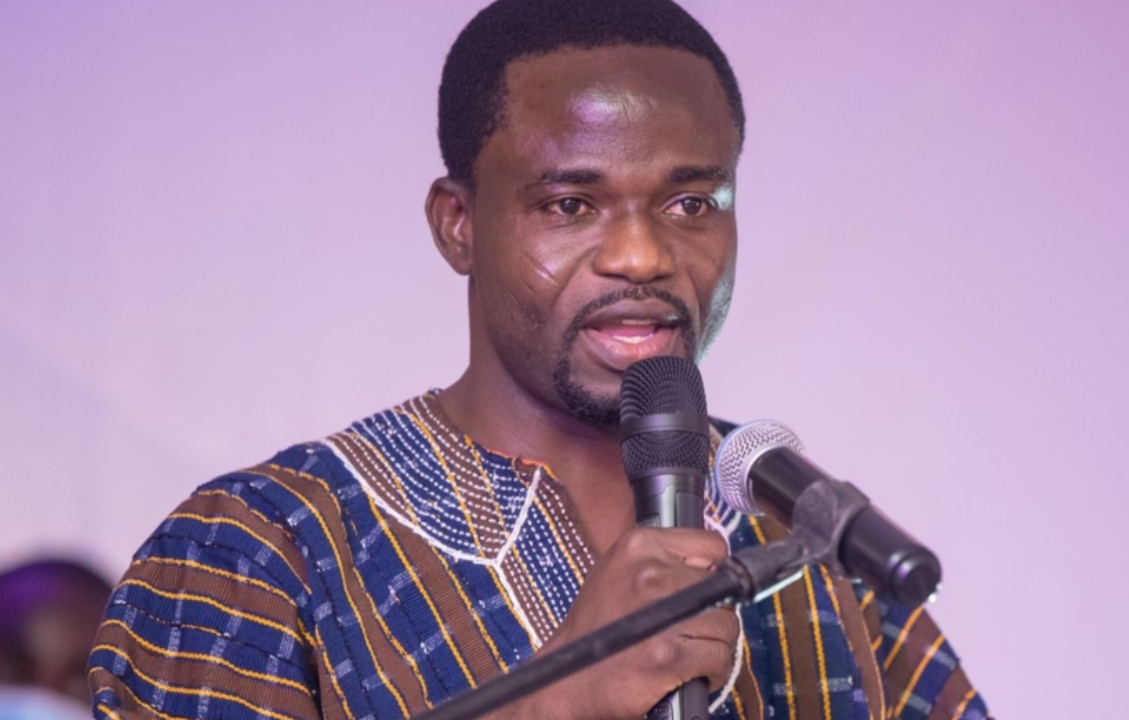
Manasseh Azure Awuni, a renowned investigative journalist, has expressed deep frustration over the lack of accountability in Ghana. He says years of investigating wrongdoing often end without anyone being held responsible.
Investigative Journalism's Emotional Toll
Investigative journalism often involves considerable time, effort, and personal risk, said Manasseh Azure Awuni. He recalled moments when he questioned whether the sacrifices were worth it, particularly when evidence of wrongdoing fails to lead to accountability. "There have been times in my life when I have asked myself whether it is even worth it," he said. He added that it is disheartening when "everybody knows that wrong has been done" but no one is ultimately made to account for it.
Manasseh's comments come after years of investigating high-profile cases, including the controversial ambulance procurement deal. He highlighted the emotional toll of investigative journalism, particularly when evidence of wrongdoing fails to lead to tangible action.
Lessons from the MASLOC Case
Manasseh Azure Awuni recently commented on the Court of Appeal's decision to acquit and discharge former Chief Executive of the Microfinance and Small Loans Centre (MASLOC), Sedina Tamakloe-Attionu. The case exposed lessons for investigators, prosecutors, and investigative journalists regarding the gathering and presentation of evidence. Manasseh said he agreed with some aspects of the Court of Appeal's reasoning, noting that the case highlighted the importance of strengthening investigations and prosecutions.
However, he also found parts of the judgment difficult to reconcile with the prosecution's case, particularly on issues relating to procurement. In his view, some aspects appeared to favour the defence, although he stressed that he was expressing a personal opinion as a layperson rather than making a legal assessment.
A Call for Accountability
Manasseh Azure Awuni believes that the MASLOC case should serve as an opportunity for institutions involved in investigations and prosecutions to strengthen their work. He said genuine cases of wrongdoing should be effectively pursued and accountability should not be lost because of avoidable weaknesses. The emotional toll of investigative journalism is significant, and it is disheartening when wrongdoing is not addressed.
As Ghana continues to grapple with issues of corruption and accountability, Manasseh's comments serve as a reminder of the importance of a robust and effective investigative journalism system. His frustration is a call to action for institutions to strengthen their work and ensure that those responsible for wrongdoing are held accountable. The outcome of such cases has a significant impact on the Ghanaian taxpayer, who ultimately bears the financial burden of such transactions.
In the absence of accountability, the cycle of wrongdoing and impunity continues, with little to no tangible action being taken. It is time for institutions to take a closer look at their investigative and prosecutorial processes and strengthen their work to ensure that genuine cases of wrongdoing are pursued and addressed.
Source: Joy Online