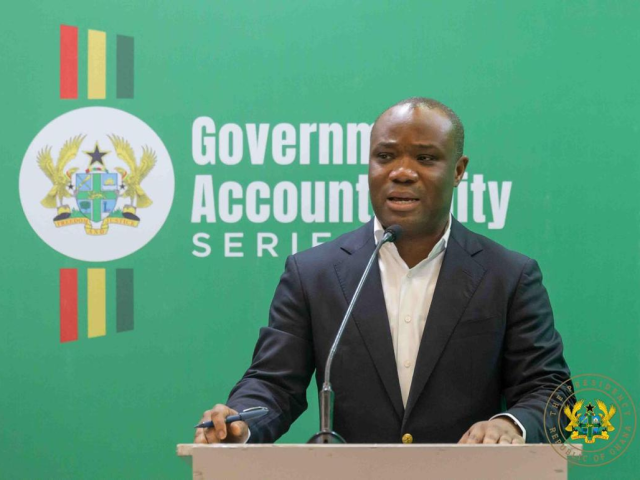

Oliver Barker-Vormawor, Constitutional Rights and Policy Strategy Advisor at Democracy Hub, has welcomed the Supreme Court's landmark decision on Wednesday, July 29, mandating that all registered members in good standing of political parties be allowed to vote in the election of their leaders and candidates. This decision, which effectively dismantles Ghana's long-standing delegate system, replacing it with a "one member, one vote" framework, is expected to transform internal party elections across the country.
The Financial Implications of Deepening Democracy
Mr. Barker-Vormawor argues that concerns over cost should not derail efforts to deepen internal democracy. He notes that while organising nationwide primaries under the new system would undoubtedly require greater resources, the issue should be viewed within the broader context of public investment already made in Ghana's democratic institutions.
The state already shoulders significant responsibilities during political party primaries, particularly through the Electoral Commission's supervisory role. Mr. Barker-Vormawor observed that "these are people that we pay," referring to the Electoral Commission's involvement in supervising elections. He suggests that rather than focusing solely on the increased financial burden that could accompany the "one member, one vote" system, Ghana should engage in a broader policy discussion about how democratic processes ought to be funded.
The State's Role in Supporting Political Parties
Mr. Barker-Vormawor argues that policymakers should carefully consider the extent to which the state should continue to support political parties in conducting internal elections as the new system takes effect. He suggests that such discussions should balance the need for broader democratic participation with the practical realities of organising large-scale internal elections.
The advisor also challenged suggestions that the Supreme Court's ruling would impose an entirely new financial obligation on political parties. He stated that "it is not true that our democracy imposes any cost on our political parties at all," highlighting that the state already shoulders significant responsibilities during political party primaries.
The Way Forward
The Supreme Court's ruling has sparked questions about the financial implications of expanding internal party elections from a relatively small pool of delegates to the entire membership of political parties. Mr. Barker-Vormawor's comments suggest that the focus should shift from the increased financial burden to a broader discussion about how democratic processes ought to be funded. As Ghana navigates this new landscape, policymakers will need to carefully consider the extent to which the state should continue to support political parties in conducting internal elections.
Source: Joy Online