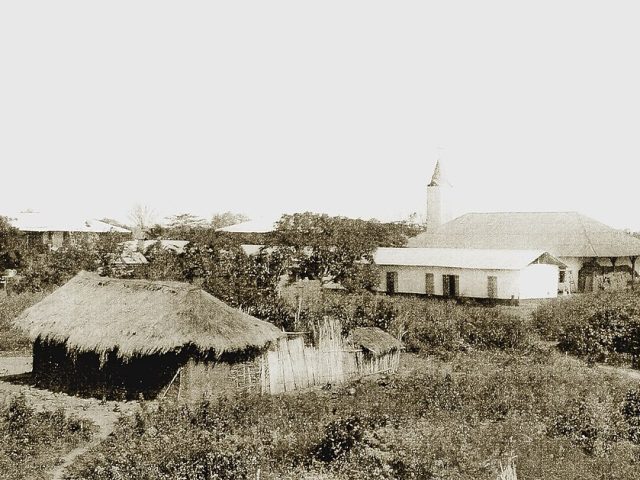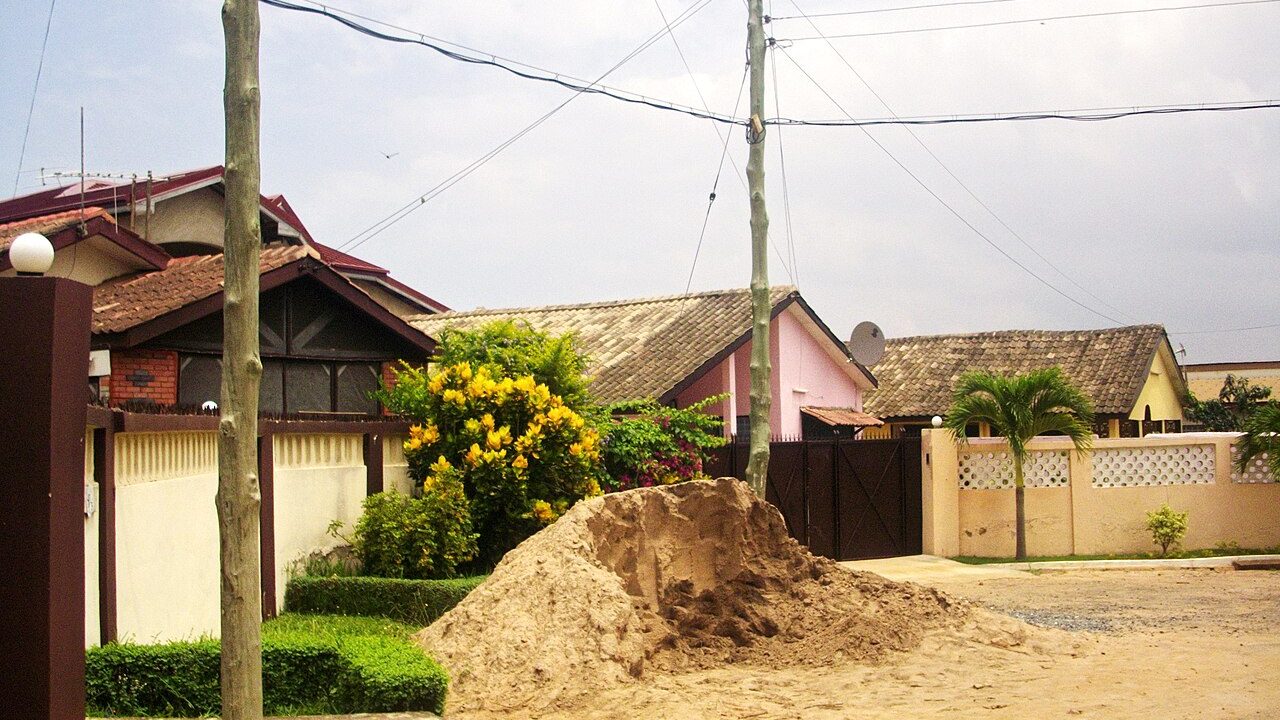
When Tema was built as a planned harbour city in the 1950s and 1960s, the workers who poured in from across Ghana needed somewhere affordable to live. Many settled in Ashaiman, just outside the planned communities. The town grew quickly and without much planning, a dense mix of compound houses, markets, churches and mosques. Today Ashaiman is one of Greater Accra’s most populous towns, known for its hustle, its markets and its music.
Origins, the municipality and markets
Ashaiman existed as a small settlement before Tema, but its growth exploded with the construction of the harbour and industrial area. Workers from every region and neighbouring countries arrived. Ashaiman is home to people from many ethnic groups and religions. Ewe, Ga, Akan, northern Ghanaian and other communities live side by side. In 2008, Ashaiman became a separate municipality, the Ashaiman Municipal Assembly, giving it its own local government.
The Ashaiman market and lorry station are among the busiest in the region, with traders selling food, clothing and goods to residents and visitors.
Work, music and reputation
Many residents work in Tema’s harbour, factories and businesses, or in trading and small enterprises. The town has a strong music scene. Stonebwoy, one of Ghana’s biggest dancehall stars, grew up there and often celebrates Ashaiman in his songs. Ashaiman faces challenges including overcrowding, flooding, sanitation problems and limited infrastructure. The town has sometimes had a reputation for crime, which residents say is exaggerated and unfair to the hard-working majority.
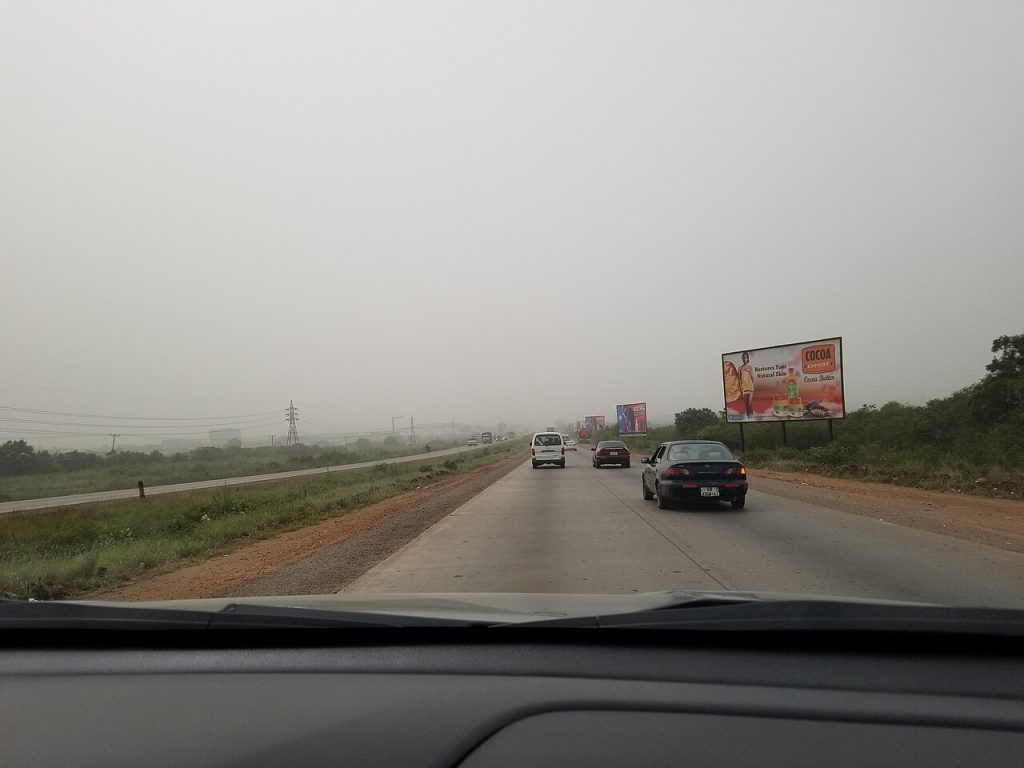
Trotros connect Ashaiman to Tema, Accra and towns along the coast and the Akosombo road. Residents are proud of the town’s energy and the success stories it has produced.
Development, night life, religion and sport
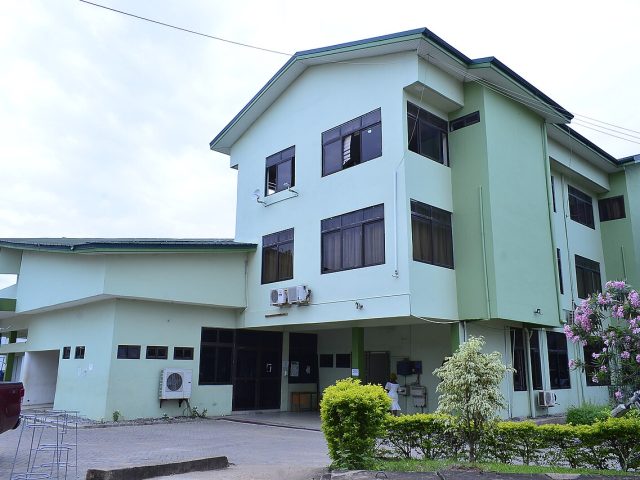
The municipal assembly has worked on road and drainage projects, though residents say much more is needed. Ashaiman comes alive at night, with chop bars, drinking spots and music filling the streets. Many residents say the town never really sleeps, and its night markets serve shift workers returning from Tema. Churches and mosques stand close together, reflecting the town’s mixed population, and religious festivals are celebrated widely.
Local football parks host matches every weekend. Tema was planned on paper. Ashaiman grew around it on its own terms, and it has given the country some of its loudest voices.