
The returns looked too good to ignore. Customers who deposited gold, or money to buy gold, with Menzgold were promised monthly returns far higher than any bank offered. Teachers, traders, civil servants and celebrities signed up. In 2018, the payments stopped. Regulators had ordered the company to stop taking deposits, and thousands of customers were left waiting for money that did not come.
The company, the promise and the warnings
Menzgold was founded by Nana Appiah Mensah, known as NAM1, a businessman who also owned interests in entertainment and football. The company presented itself as a gold dealership. Customers bought gold through the company and left it in its care in exchange for regular payments, often described as returns of several percent a month. Financial experts and some officials warned that such returns were not sustainable. Menzgold continued to grow regardless.
In September 2018, Ghana’s Securities and Exchange Commission ordered Menzgold to stop taking deposits, saying it was operating without the required licence.
Payments stop and the arrest
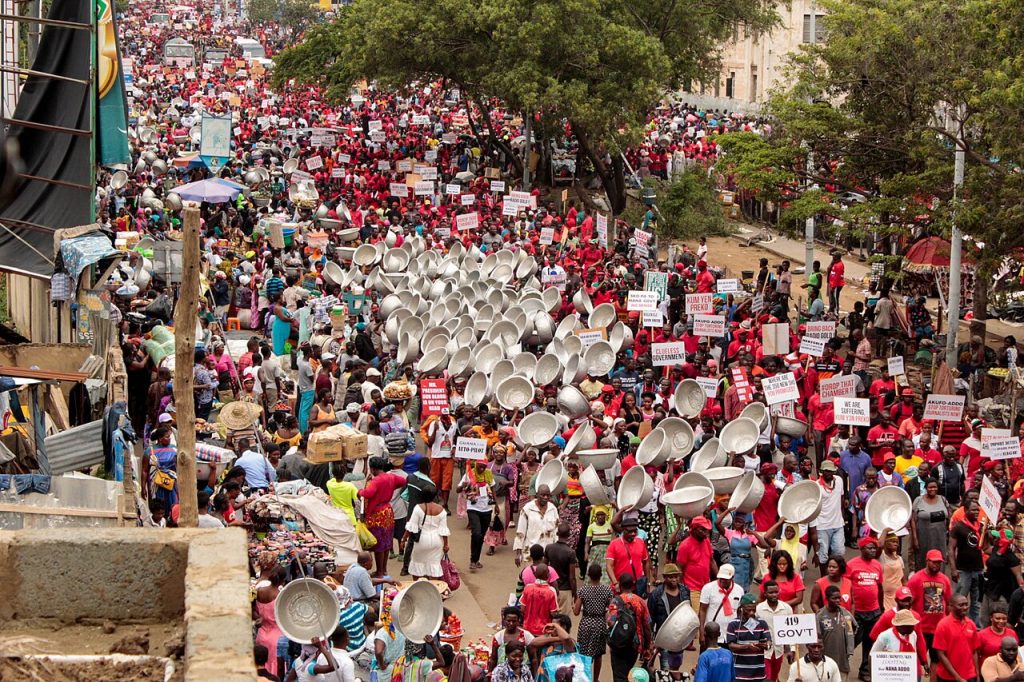
After the order, customers stopped receiving payments and could not withdraw their money. Protests followed at Menzgold offices and in Accra. In December 2018, Nana Appiah Mensah was arrested in Dubai in connection with a separate business dispute. He later returned to Ghana. In Ghana, he faced charges including defrauding by false pretences. The case dragged on through the courts for years.
Many customers lost savings meant for school fees, retirement or businesses. Some groups organised to demand refunds. The collapse led to calls for stronger financial education and regulation of investment schemes.
The wider crisis and lessons for investors
Menzgold collapsed during a period when Ghana’s financial sector was also being cleaned up, with several banks and microfinance companies closed. Regulators advise checking whether a company is licensed by the SEC or Bank of Ghana before investing. Menzgold sponsored events and was linked to well-known entertainment figures, which helped it win public trust. Critics later said this publicity made the scheme look safer than it was.
Customer groups pressed the government to help recover their money, and politicians from different parties made promises about refunds. Menzgold promised Ghanaians gold-backed security. For many customers, the only thing it delivered was a lesson that very high returns usually carry very high risks.