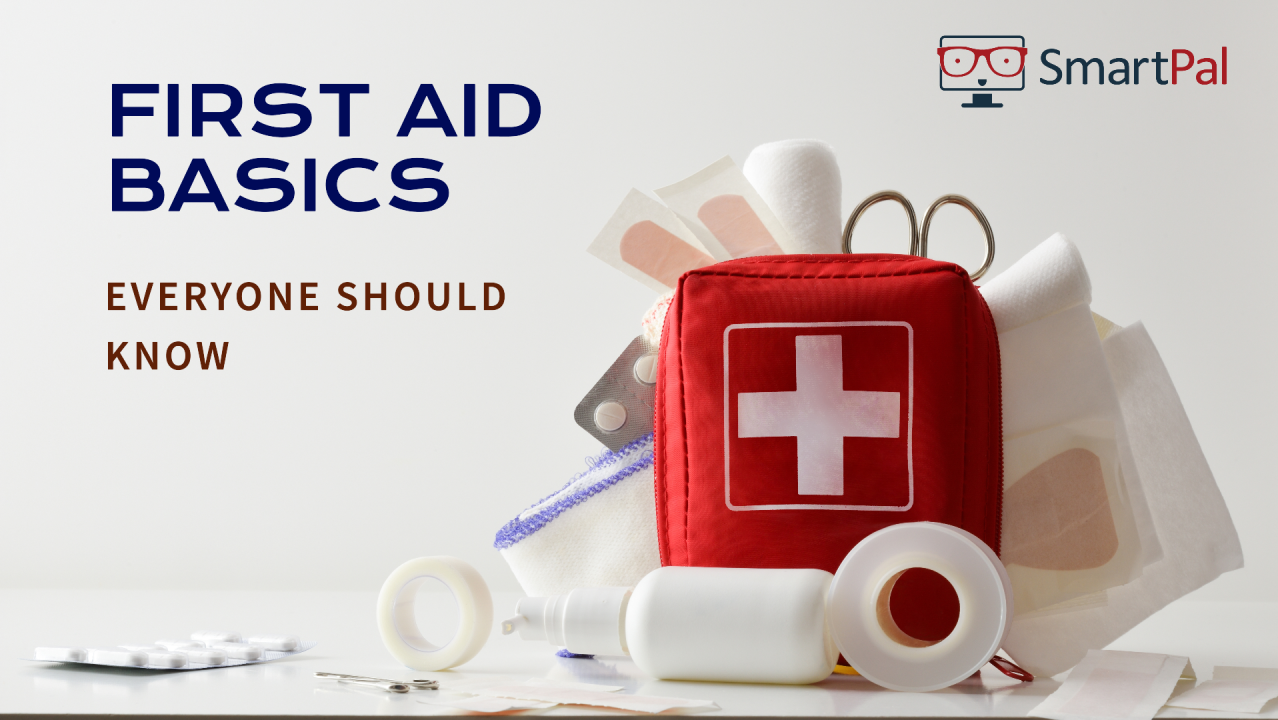
Knowing a little first aid can make a real difference in the minutes before help arrives, and those minutes sometimes matter most. You do not need to be a nurse to be useful. Here are the basics everyone should know, along with the golden rule to call for proper help.
First, keep yourself safe
Before you rush to help, make sure you are not walking into danger yourself, whether that is traffic, fire or live wires. You cannot help anyone if you become a second casualty. Make the scene safe, then act.
Get help coming
For anything serious, get professional help on the way early, by calling for an ambulance or getting the person to a hospital fast. First aid buys time; it does not replace medical care. Know the emergency numbers and where the nearest hospital is before you ever need them.
Bleeding
For heavy bleeding, press firmly on the wound with a clean cloth and keep the pressure on, raising the injured part if you can. Do not keep lifting the cloth to check, since that disturbs the clotting. Steady, firm pressure is what slows serious bleeding while help comes.
Burns
For a burn, cool it under clean, cool running water for a good while, and do not apply toothpaste, oil or other home remedies, which can make it worse. Cover it loosely with a clean cloth. For anything large or deep, get medical help after cooling it.
Choking
If someone is choking and cannot cough, speak or breathe, act quickly with firm back blows between the shoulder blades, and get help. For a small child the approach is gentler and different, so it is worth learning the proper technique before you are faced with it.
Fainting and shock
If someone faints, lay them down and raise their legs a little, loosen tight clothing, and let them come round with air and space. If they do not recover quickly, or seem seriously unwell, treat it as an emergency and get help.
None of this replaces proper training, and a real first aid course is worth doing if you can. But even these basics, plus the discipline to keep yourself safe and call for help fast, can carry a person through those first few minutes until the professionals take over.