In late 1957, months after independence, a ship called the Volta River sailed from Britain to Takoradi. It belonged to Ghana’s new national shipping company, the Black Star Line.
For Kwame Nkrumah, a national fleet was part of economic independence. For many Ghanaians, the ships became a source of pride.
The name
The name echoed the Black Star Line founded by Marcus Garvey in the United States in 1919, a shipping company meant to connect people of African descent around the world. Garvey’s black star also inspired the star on Ghana’s flag.
A joint venture
The Black Star Line was established in September 1957 as a joint venture with Zim, the Israeli national shipping line, which provided expertise. The Ghanaian government later bought out the foreign shares, making it fully state-owned.
The fleet
At its height, the Black Star Line operated a fleet of about 16 to 18 cargo and passenger ships, with names drawn from Ghana’s rivers and places, including the Volta River, the Tano and the Sissili. The ships carried cocoa and other exports to Europe and brought goods back, and they employed Ghanaian officers and crew.
Training
The company helped train Ghanaian seafarers and officers, building maritime skills in a young nation. Many who worked on the ships later had careers in shipping and ports.
Decline
After the 1966 coup that overthrew Nkrumah, later governments gave the company less attention. Ships aged and were not replaced. Political interference, mismanagement and debts grew, and the fleet shrank.
The company was eventually liquidated, with sources giving different dates for its final end.
Ports and trade
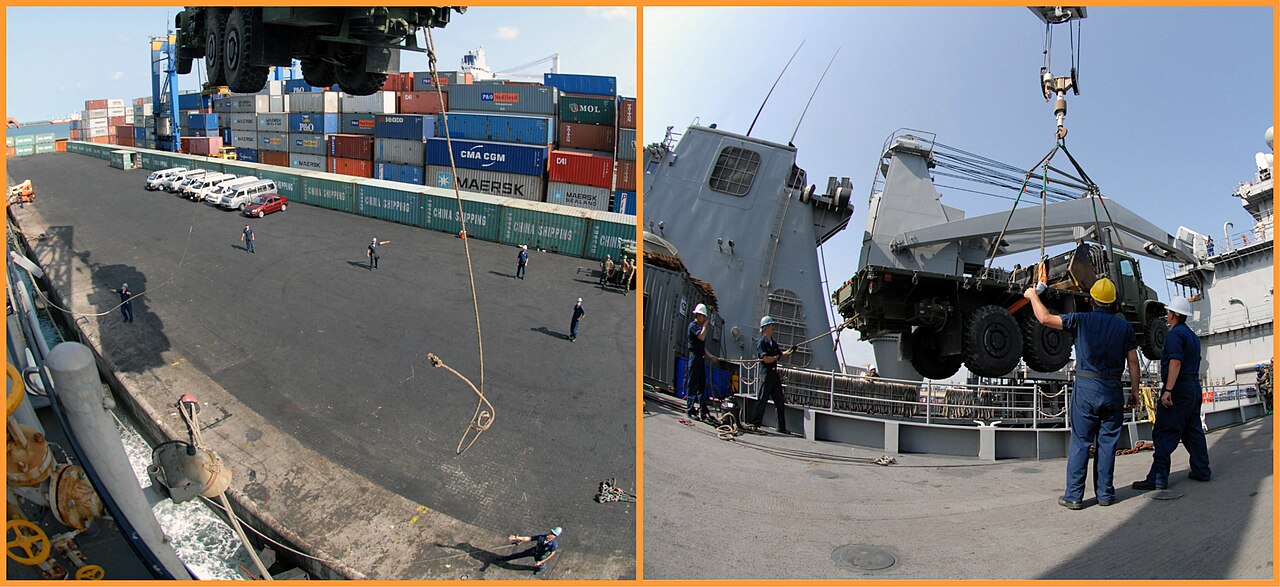
The shipping line grew alongside Ghana’s ports. Takoradi was the main harbour at independence, and the new port at Tema, opened in the early 1960s, gave the country a deep-water harbour close to Accra.
Calls to revive it
From time to time, politicians and business leaders call for a new national shipping line, arguing that Ghana pays large sums to foreign shipping companies to move its trade.
Black Star everywhere
The black star remains everywhere in Ghana: on the flag, on the national football team and on Black Star Square. The shipping line that carried the name across the oceans is gone, remembered mainly by old seamen and in photographs.
A lesson in ambition
The Black Star Line showed what a newly independent country could attempt. Its decline showed how hard it is to keep such ambitions afloat when governments change and money runs short.