
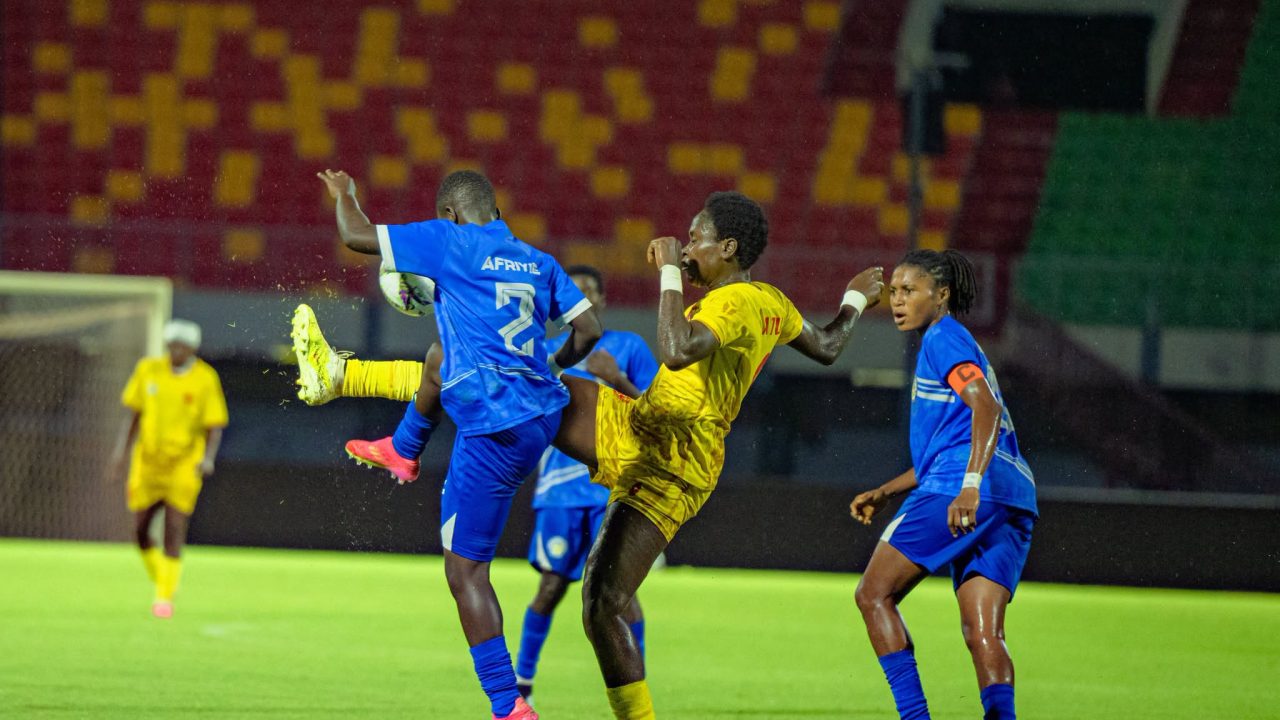
The Confederation of African Football (CAF) has overturned Edo Queens’ 4-1 penalty shootout win against Ghana’s Ampem Darkoa Ladies in the WAFU Zone B final, ordering the match to resume from the start of extra time.
The September 5 match in Ouagadougou, Burkina Faso, ended 2-2 after 90 minutes. But instead of playing the required two 15-minute halves of extra time, the teams went straight to penalties, which Edo Queens won. CAF says that procedure broke the rules of the competition.
“The omission of extra time was not caused by either participating club,” CAF’s Organising Committee for Women’s Football said. “It resulted from erroneous administrative instruction and the consequent non-application of the applicable competition regulations by the match officials.”
The referee and refereeing assessor reported that officials were reminded before the game that extra time must be played if the score was level after 90 minutes. The two teams were also told the same at the Match Coordination Meeting.
However, during the second half, the referee was told to skip extra time and proceed directly to penalties if the match ended in a draw. The referee followed this instruction in good faith, CAF said.
The Ghana Football Association (GFA) filed a formal protest with CAF and WAFU Zone B on September 7, within 48 hours of the match, and sent a detailed petition on September 9. Ampem Darkoa argued that going straight to penalties violated Articles 13.1 and 72.4 of the CAF Women’s Champions League Regulations, which require two 15-minute periods of extra time before penalties decide a winner.
Ampem Darkoa said their game plan during the 90 minutes accounted for extra time, including how they managed substitutions. Their complaint was not about any refereeing calls during play but about the failure to follow the rules for deciding the match.
The club first asked for a full replay of the final. Alternatively, they requested the match resume from the end of regular time at 2-2, with extra time played before any penalty shootout.
CAF adopted the second option. Article 72.4 states that after a draw in regular time, “an extra time of 2 x 15 minutes shall be played,” and only if the score remains tied after extra time should penalties follow.
CAF said Articles 13.1 and 72.4 require this sequence for the WAFU Zone B final: 90 minutes of regular time, two 15-minute extra time periods, then penalties if needed.
“The direct recourse to kicks from the penalty mark after regular time was inconsistent with Article 72.4,” the Committee said.
CAF clarified that the final tournament regulations also apply to the zonal qualifying competition under Article 13.1.
The Committee considered three options: uphold the penalty shootout result, order a full replay, or resume the match from the start of extra time.
CAF rejected confirming Edo Queens’ penalty victory because that would approve a method contrary to the rules and ignore the mandatory extra-time stage.
It also rejected a full replay, saying the first 90 minutes were valid and ended 2-2. There was no evidence the regular time was affected by any serious irregularity requiring annulment.
“Resuming the match from the beginning of extra time preserves the valid sporting outcome of the ninety minutes already played while restoring the omitted regulatory stage,” CAF said.
The Committee called this “the most proportionate, equitable and sporting remedy” because it corrects the procedural breach without cancelling the 90 minutes already played or giving either team an unfair advantage.
The decision means Edo Queens and Ampem Darkoa will return to the field to play the two 15-minute halves of extra time. If the score remains level after that, the match will go to penalties again.
This unusual ruling highlights how administrative errors can impact important games and how CAF’s regulations guide the process when such errors occur.
According to Joy Online.