About 15 million pieces of used clothing arrive in Ghana every week, and most of them pass through one market in central Accra.
Kantamanto sits beside the railway lines between Makola and the Kwame Nkrumah Circle area. It is usually described as the largest secondhand clothing market in the world, and the figure of 15 million garments a week comes from The Or Foundation, the Accra-based organisation that has spent years studying it. Ghanaians call the clothes obroni wawu, “dead white man’s clothes”, a name that dates from the time when buyers assumed nobody alive would give away clothing this good.
How a bale becomes a shirt on Oxford Street
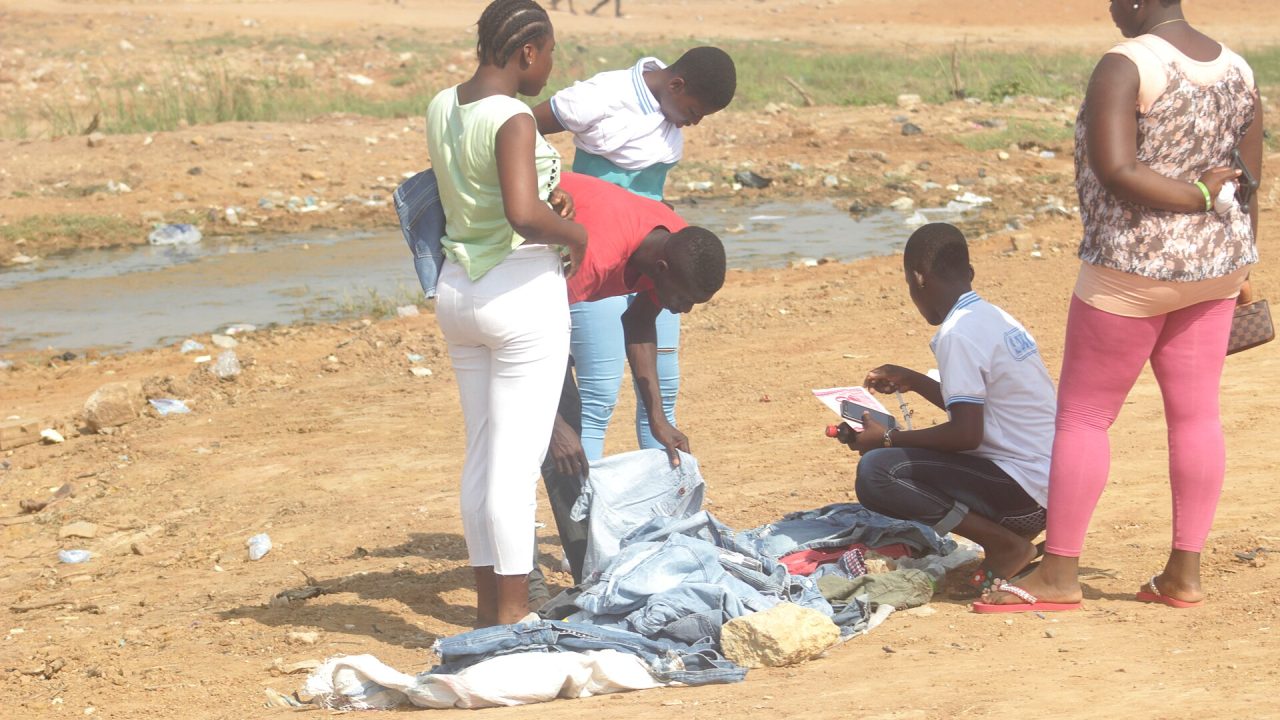
The clothes arrive in compressed bales, shipped mostly from Britain, Europe and North America. Importers sell the bales to retailers without the buyer seeing inside. That is the gamble at the heart of Kantamanto: a trader pays for a bale of “ladies’ tops” or “men’s jeans” and only finds out when it is cut open how many pieces are sellable, how many need repair, and how many are rubbish.
What happens next is the part outsiders rarely see. Kantamanto is a repair and remaking economy as much as a selling one. Tailors re-hem trousers, dyers refresh faded cloth, washers clean pieces for the top-grade stalls, and upcyclers cut damaged denim into new bags and jackets. Items that start in a bale can be sold two or three times, moving from wholesaler to retailer to hawker, before they reach a buyer in Kumasi, Tamale or Lomé.
The 40 percent problem
The Or Foundation’s research put the waste share at roughly 40 percent of what arrives. Clothing that cannot be sold ends up in dumps, open burning, drains and the sea. On stretches of the coast near Accra, tangled textiles have built up into mounds that can rise more than a metre and a half high, mixed with plastic and sand.
That waste is the reason Kantamanto has become a regular stop for foreign journalists and researchers. It is also the argument The Or Foundation has taken to fashion brands and to European lawmakers: the brands that make the clothes should pay for what happens at the end of their life, and Kantamanto should get a share of that money.
The fire of 2 January 2025
At 1:18 in the morning on Thursday, 2 January 2025, fire broke out at Kantamanto. It burned through large sections of the market before dawn. One person died and 14 were seriously injured. Reports said more than 30,000 traders were affected and about 7,000 shops were destroyed. Many traders lost stock bought on credit over the Christmas season.
The Ghana National Fire Service did not immediately state a cause, and some traders openly suspected arson. The Or Foundation committed one million dollars to emergency relief and pledged to pay for electrification and a security system in the rebuilt market.
The market came back
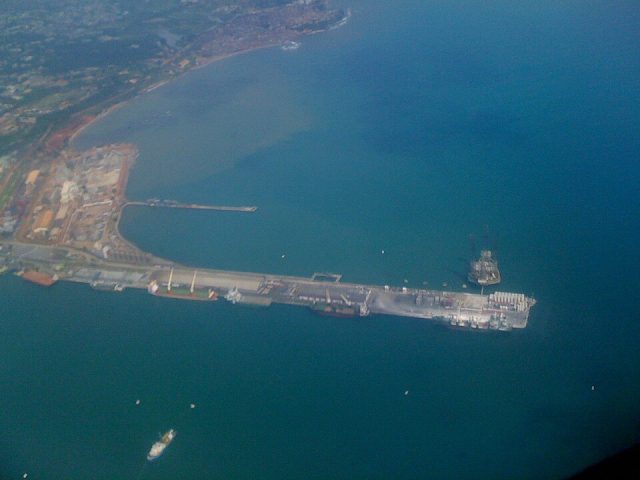
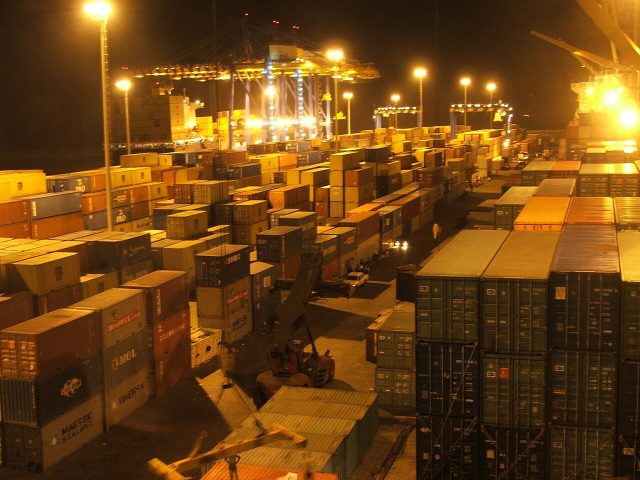
Within weeks, traders were back on the burnt ground under tarpaulins, selling from the few bales they could afford. The trade could not wait for a finished rebuild because the bales kept arriving at Tema every week whether or not the stalls were standing.
Walk through Kantamanto today and you will still hear the question every trader asks when a new bale is cut open: how many “first selection” pieces are inside. The answer decides whether that week pays the rent.