Valerie Nekesa was playing barefoot in a Kenyan village when she was discovered. She later scored at a World Cup and signed with CD Tenerife. David Clarke, founder of FTBLRLIFE, cited her story as an example of the millions of grassroots football talents overlooked by the global football industry. Now, Clarke’s platform is targeting Ghana as its next frontier.
FTBLRLIFE, a global grassroots football platform active in over 130 countries, announced plans to expand into Ghana’s football scene. The company wants to connect young players, coaches, academies, and football businesses across the country to a wider international network. It aims to create a digital ecosystem where users can share stories, discover opportunities, and manage football activities.
Ghana’s grassroots football landscape is sprawling but fragmented. From community pitches and school teams to private academies, the country produces many professional players, yet many young talents lack visibility beyond their local environments. FTBLRLIFE intends to address this by enabling players to build profiles that showcase their football journeys and connect directly with coaches and academies. The platform also allows academies to organise teams, rosters, events, and updates, sharing their players with an international audience.
The platform targets three main areas in its Ghana strategy: organising the fragmented grassroots community, increasing talent visibility, and providing support to grassroots football. FTBLRLIFE currently partners with more than 1,000 academies worldwide and reports that its programmes have impacted over 27,000 children.
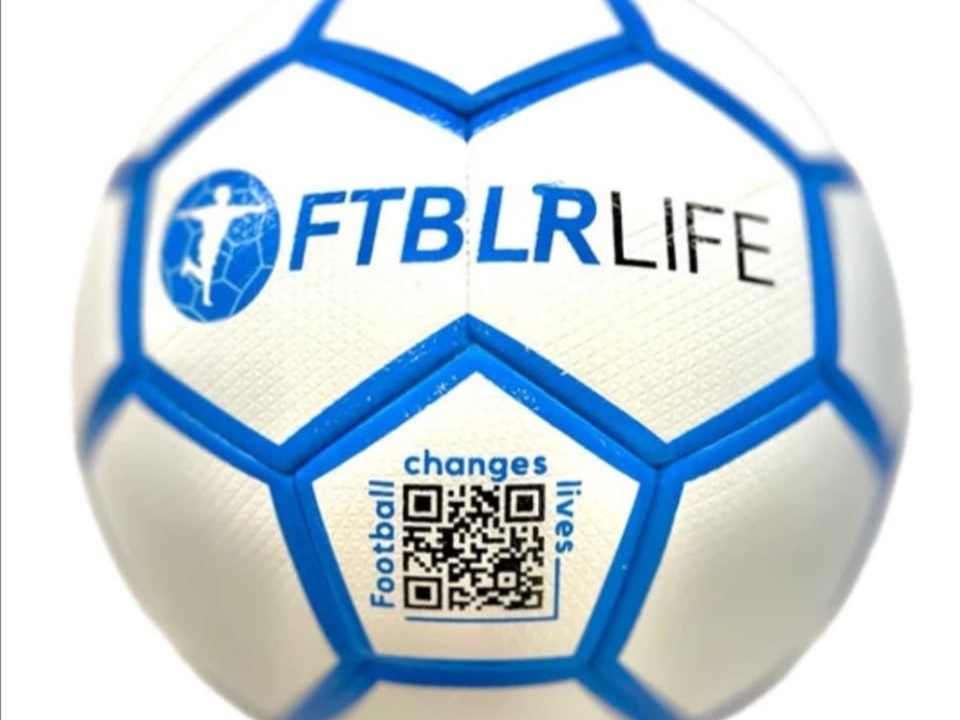
In addition to digital tools, FTBLRLIFE operates the FTBLRLIFE Foundation, which supports under-resourced football communities through its Foundation Ball programme. This initiative distributes footballs embedded with QR technology, linking beneficiaries, donors, and the broader platform community. Access to basic football equipment remains a challenge for some Ghanaian grassroots clubs and community teams. The foundation’s work could become a significant part of FTBLRLIFE’s outreach as it establishes itself in the country.
The platform’s expansion comes at a time when Ghana’s football system still relies heavily on grassroots football to develop talent for both domestic leagues and the national team, the Black Stars. Many successful Ghanaian players began their careers on local pitches or through youth academies. FTBLRLIFE’s approach offers an alternative route for young players to gain exposure outside traditional scouting systems.
Clarke emphasised the scale of the global grassroots football market, estimating it includes more than 500 million players worldwide. He pointed to the invisibility of many players caused by the decentralised nature of grassroots football, which is spread across disconnected academies, social media pages, messaging groups, and local networks.
For Ghana, FTBLRLIFE wants to unite these scattered elements onto one platform. The company aims to create connections between local grassroots football and the international football community, offering players and academies a digital home where talent is not limited by geography or established networks.
FTBLRLIFE’s move into Ghana will be closely watched by academies and young players looking for fresh pathways to exposure. The platform’s ability to integrate Ghana’s grassroots football into its global network could reshape how talent is discovered and supported in the country.
According to Joy Online.