For about a month each year, Accra is supposed to go quiet. No drumming, no loudspeakers, no noisy celebrations in the Ga towns of the capital. Then, almost every year, the arguments begin.
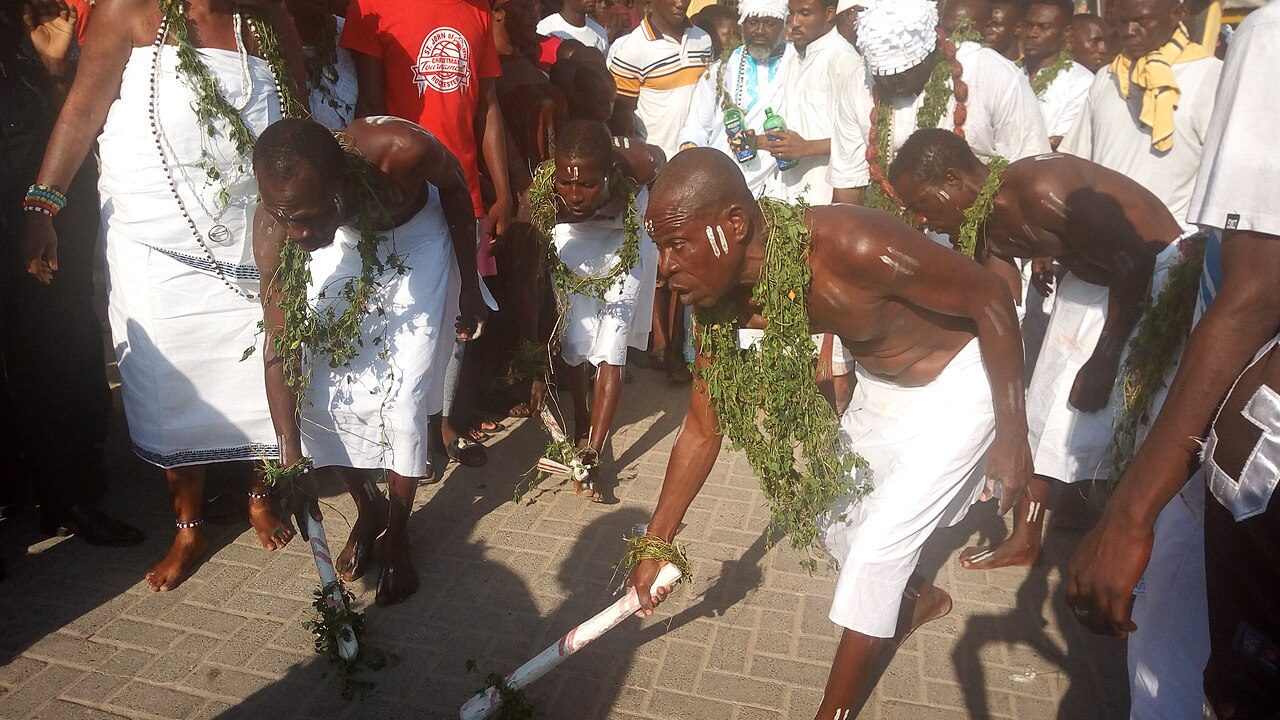
The ban on drumming and noise-making is imposed by the Ga Traditional Council ahead of Homowo, the Ga harvest festival, usually from around May into June. It is linked to the planting of millet and a period of reflection before the festival.
Why the ban exists
According to Ga tradition, the quiet period allows the gods and the crops to rest, and allows the community to prepare for Homowo, which means “hooting at hunger”. Traditional leaders say it is an old custom that predates the modern city.
During the ban, funerals are held without drumming, and clubs, bars and event organisers are asked to reduce noise.
The clash with churches
Some churches, especially charismatic and Pentecostal congregations with amplified worship, say the ban interferes with religious freedom. Over the years, there have been confrontations in which traditional authorities or youth groups have seized drums and speakers from churches.
The police, the government and the Christian Council have often stepped in to calm the situation, asking churches to lower their volumes and traditional authorities to avoid violence.
Accra’s noise problem
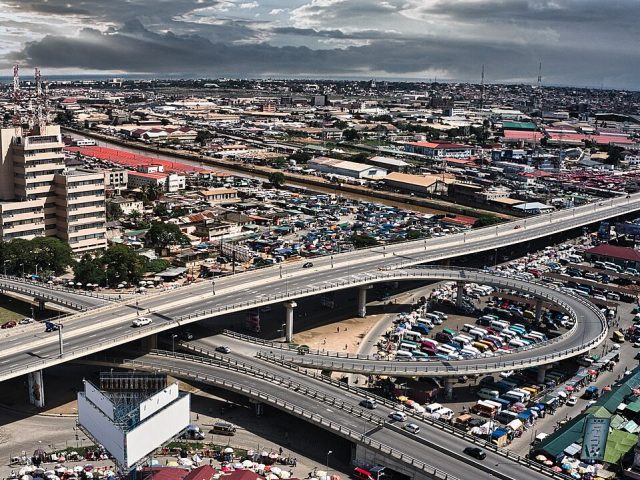
The ban draws attention to a year-round problem. Accra is loud. Churches hold all-night services with loudspeakers, bars play music into the street, mosques broadcast calls to prayer, and hawkers use megaphones.
Ghana’s Environmental Protection Agency has guidelines on permitted noise levels in residential areas, lower at night than during the day, and city assemblies have bylaws on noise. Enforcement is weak, and residents who complain often find little help.
What residents can do
Residents troubled by noise at any time of year can complain to their municipal assembly, which issues permits for events, or to the police. Written complaints, signed by several neighbours, are more likely to get attention than a single phone call.
A compromise
In many years, a working compromise emerges: churches worship with reduced volume, and traditional leaders focus on public events and drumming. Where talks break down, the dispute can become heated.
Quiet for a month
For residents who live next to an all-night church or a bar, the Homowo ban can be the quietest month of their year. Some of them would happily see it last twelve.