In March 2019, Ghanaians who bought prepaid electricity credit began to see a new name on their receipts: PDS. Five months later, the name was gone again.
Power Distribution Services Ghana Limited, known as PDS, was the private consortium that took over the Electricity Company of Ghana’s distribution business in southern Ghana. The deal became one of the most controversial episodes in the country’s power sector.
Why privatise ECG?
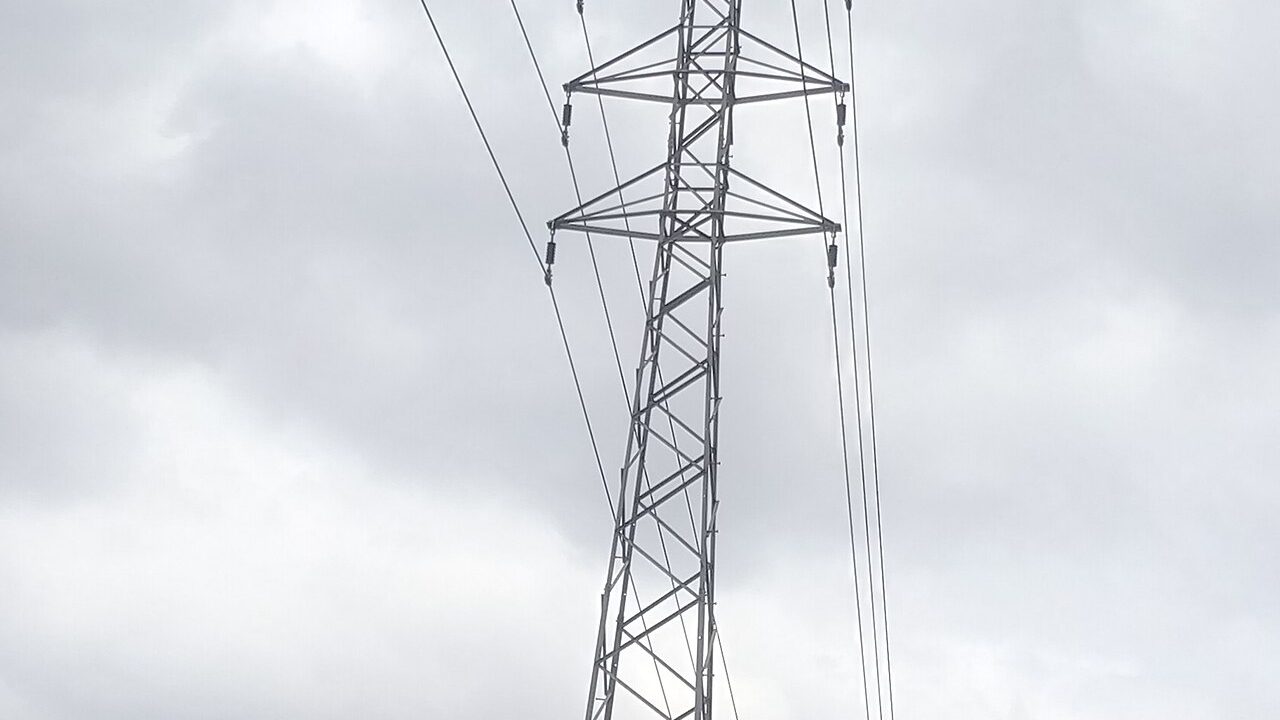
ECG had long struggled with losses, unpaid bills, illegal connections and ageing equipment. Under an agreement with the United States’ Millennium Challenge Corporation, Ghana agreed to bring in a private operator to run electricity distribution, as part of a compact that provided funds for the power sector.
The idea was that a private company would invest, reduce losses and improve service, while ECG’s assets remained in public hands.
PDS takes over
After a tender process, a consortium led by Ghanaian investors, with the Philippine utility Meralco as a technical partner, won the concession. PDS signed the agreement and took over operations on 1 March 2019. Meralco said the consortium planned to invest more than 580 million dollars.
The guarantee
Under the deal, PDS had to provide payment securities, known as demand guarantees, to protect Ghana if it failed to meet its obligations. The guarantees were issued by a Qatari insurer, Al Koot.
Questions arose about the guarantees. Al Koot reportedly told ECG that the documents had been signed by an employee without authority and declared them invalid.
Suspension and termination
The government announced that it was suspending the concession with effect from 31 July 2019, citing material breaches in the provision of the guarantees. ECG resumed control of its operations. In October 2019, the government terminated the concession.
Why it mattered
The episode raised questions about due diligence in the selection process, about the role of politicians and investors in the consortium, and about whether privatisation was the right answer for ECG at all.
Parliament’s minority, civil society groups and power sector analysts called for investigations, and the saga became a political issue.
ECG since
After the collapse of the PDS deal, governments continued to look for ways to reform ECG, including new private-sector participation models. Losses and revenue collection remained major problems, and power cuts returned at times of fuel shortages.
Five months
For five months, the people selling electricity to much of southern Ghana answered to a private company. The deal was meant to last decades. It ended over a guarantee document that, by its issuer’s account, should never have been signed.