The Ghana Cocoa Board (COCOBOD) will raise $1.4 billion from domestic investors to finance cocoa purchases for the 2026/2027 season. This decision is a clear move away from its past reliance on international borrowing, but COCOBOD has rejected claims that it has been shut out of the international market.
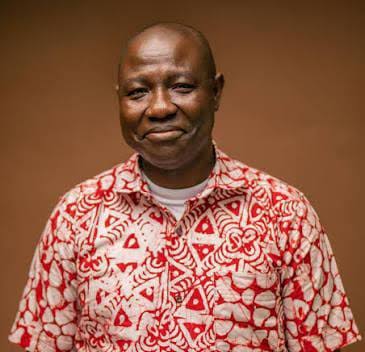
Ato Boateng, Deputy CEO in charge of Finance and Administration, spoke about the decision on Channel One TV’s The Point of View on Monday, September 28, 2026. He said the change in financing strategy was deliberate and based on lessons from past experiences.
“Since I took this position over 18 months ago, I’ve had a lot of international banks coming to Cocoa Board to talk about Cocoa Board re-entering the market at the international level,” Boateng said. “It is not that we are forced out of the market. Yes, we had a crisis that pushed us out of the market. But beyond the crisis, they came back. And then, given what we also saw, we changed strategy.”
Boateng criticised the behaviour of some international financiers during COCOBOD’s previous financial difficulties. “I don’t like fair-weather friends. You don’t run away from Cocoa Board when we have difficulties, and then when we have weathered those difficulties, then you show up,” he said.
COCOBOD’s earlier model depended heavily on international cocoa buyers to finance cocoa purchases through a buyer-financed system. Under this, international buyers provided funds to licensed buying companies (LBCs) via COCOBOD to buy cocoa from farmers. But Boateng said this exposed the purchasing system to international market fluctuations. When prices dropped, international financiers pulled back, causing problems for Ghana’s cocoa sector.
“When the prices dropped, these international guys moved away from Ghana. They stopped funding the beans. And then they created the problem that we saw,” Boateng said.
The $1.4 billion domestic financing plan amounts to about GH¢16.3 billion. It will support cocoa purchases, settle outstanding obligations, and provide greater stability to the sector. COCOBOD presented the plan to the Ministry of Finance, which took it to Cabinet, where the decision was made to explore domestic financing sources.
The move follows the collapse of COCOBOD’s syndicated loan arrangement with international banks during the 2023/24 cocoa season and the failure of a separate pre-financing arrangement involving international trading houses last season.
COCOBOD’s operating revenue rose sharply to GH¢48.6 billion in 2025 from GH¢15.8 billion in 2024. Its net profit margin improved as well, moving from a negative 35.1% to a positive 10.4%.
Boateng questioned why COCOBOD should rely on financiers who proved unreliable in times of difficulty. “Why would I place my financial strategy on boys and girls that I cannot really rely on?” he asked.
The decision to shift to domestic financing reflects a move to create a more stable and predictable funding base for Ghana’s cocoa purchases. It also signals COCOBOD’s attempt to reduce exposure to the ups and downs of international markets and financiers. Whether this approach will hold through future market challenges remains to be seen.
According to Joy Online.