
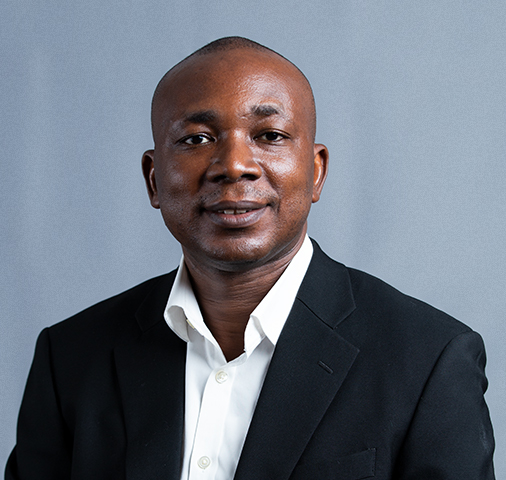
Professor Godfred Alufar Bokpin, an economist at the University of Ghana Business School, has expressed concerns over Ghana's International Monetary Fund (IMF)-backed revenue reforms, saying they have failed to deliver the expected structural improvement in domestic revenue collection.
The reforms, which aimed to close the country's tax-to-GDP ratio, have instead seen the ratio average 14 per cent during the implementation period, despite the government's efforts to mobilise revenue through measures such as the National Revenue Policy (GNRP) and the Medium-Term Revenue Strategy (MTRS).
Revenue Performance Under IMF Programme Falls Short
Ghana's revenue performance under the IMF programme has been disappointing, with the country's tax-to-GDP ratio averaging 14 per cent during the implementation period, according to Professor Bokpin. This is despite the government's efforts to close the gap through the GNRP and the MTRS, which were established in 2023.
The professor of finance at the University of Ghana Business School noted that the country's revenue measures were expected to help generate about GHS268.1bn by the end of the year, but the first-quarter results released by the Ministry of Finance showed that GHS57.53bn had been mobilised, which was slightly below the target.
Challenges in Revenue Collection
Professor Bokpin identified several challenges in revenue collection, including the country's reliance on volatile commodity revenues and the failure to expand the tax net to the informal sector. He also noted that the government's policy changes have affected not only businesses but also the country's tax revenue, with some businesses being classified as inactive until their party came to power.
"This means that businesses rise and fall with politics, but we must move away from that," Professor Bokpin said. "A stable, growing indigenous business base from micro to small to medium to large is the only way to sustainably widen the tax net."
Minister's Response to Revenue Performance
In response to the revenue performance, Dr Cassiel Ato Baah Forson, the Minister of Finance, acknowledged that better policy, stronger compliance, and smarter administration would always deliver more sustainable revenue than higher taxes. He also cited the introduction of AI-powered customs reforms that have resulted in Customs revenue increasing by approximately 15 per cent.
However, Professor Bokpin's concerns over the revenue reforms remain, and it is unclear what the future holds for Ghana's revenue collection efforts.
What's Next for Ghana's Revenue Reforms
The government's next steps in addressing the challenges in revenue collection and improving the tax-to-GDP ratio remain unclear. However, one thing is certain: Ghana's economy needs a stable and sustainable revenue base to drive growth and development. The country's failure to deliver on this front will have far-reaching consequences for its economy and its people.
As Ghana continues to navigate the complexities of its economy, one thing is clear: the country's revenue reforms are under fire, and it will take a concerted effort to turn things around.
Source: Joy Online