

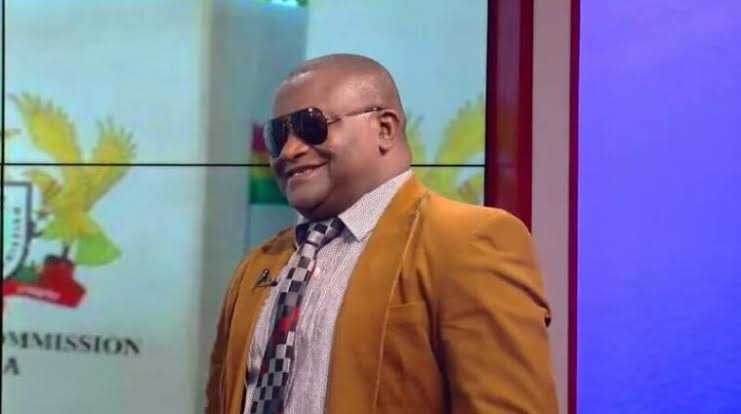
Hassan Ayariga, founder and leader of Ghana’s All People’s Congress (APC), warned against trading one form of economic dependence for another as Ghana moves to join the BRICS economic bloc. In a statement on October 17, 2026, Ayariga said Ghana must ensure any partnership with BRICS countries protects national interests, constitutional governance, and democratic accountability.
Ayariga said he was not opposed to strategic relationships with BRICS, a group that includes Brazil, Russia, India, China, and South Africa. But he stressed that Ghana’s membership must produce tangible benefits for citizens and businesses rather than create new dependencies.
“For decades, African countries have struggled with economic dependency, foreign control of strategic resources, unequal trade relationships and limited industrial development. We must not repeat the mistakes of the past,” Ayariga said. “If Ghana seeks to join BRICS to diversify its international relationships, that objective must translate into tangible benefits for Ghanaian citizens and businesses.”
Ghana’s wealth in gold, oil, minerals, and agricultural resources should be managed to support national development, Ayariga argued. He criticized the ongoing export of raw materials with minimal local processing. “We cannot continue exporting our raw materials cheaply, importing finished products at enormous costs and allowing foreign interests to dominate strategic sectors of our economy,” he said.
The APC leader insisted that Ghana’s approach to international partnerships should be consistent, regardless of whether partners come from Europe, America, Asia, or the Middle East. “Whether our partners come from Europe, America, Asia, the Middle East or elsewhere, the guiding principle must remain the same: Ghana first. Ghanaians first. National interest first,” he said. “International cooperation must strengthen our sovereignty, not weaken it.”
Ayariga also demanded clarity on the terms and implications of Ghana’s proposed BRICS membership. He questioned what economic and diplomatic obligations Ghana might assume, the level of influence it could hold within the bloc, and the practical benefits for ordinary Ghanaians.
“What exactly does Ghana stand to gain? What obligations will Ghana assume? What are the potential economic, political and diplomatic consequences? Will Ghana become a full member or merely a partner country?” he asked.
He raised concerns about whether Ghana would have meaningful influence in decision-making or simply participate in a grouping dominated by larger economies. The government must also explain how the partnership would benefit farmers, traders, manufacturers, entrepreneurs, and other businesses, Ayariga said.
He urged that these questions be treated as matters of national interest rather than dismissed as political opposition.
The government announced on October 6, 2026, its intention to pursue membership in BRICS. Foreign Affairs Minister Samuel Okudzeto Ablakwa said Cabinet approved a formal application to join the bloc. The government said the move aims to diversify Ghana’s international partnerships and create opportunities for trade, investment, and economic cooperation.
Ayariga’s call for transparency and prioritizing Ghana’s economic self-determination came less than two weeks after the government’s announcement. His focus on protecting national resources and ensuring local industrial development contrasts with the government’s emphasis on expanding international cooperation.
How the government will address these concerns remains unclear. The balance between joining a global economic grouping and safeguarding Ghana’s sovereignty and economic interests continues to unfold.
According to Joy Online.


