
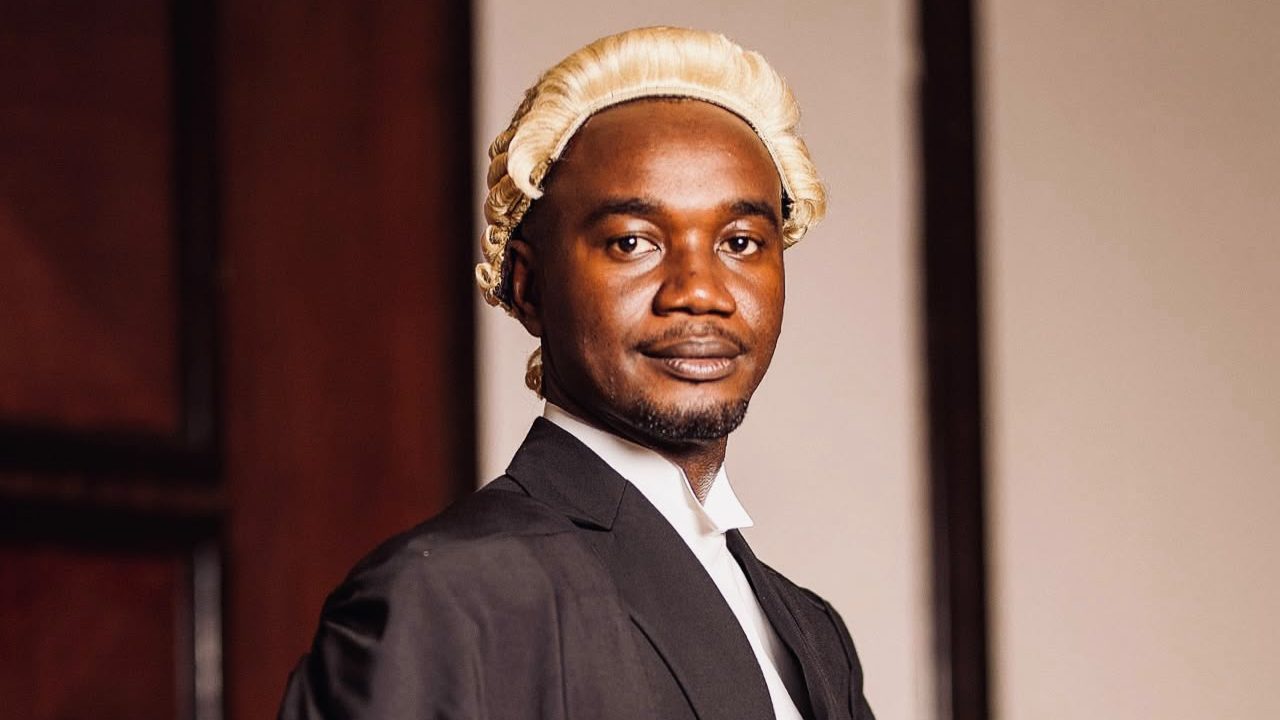
The call to the Bar was barely three days behind him when he found himself alone in a Circuit Court on a Monday morning, expected to listen to a judgment in a matter belonging to his senior. The courtroom, he recalls, felt as if the entire building had come to watch. He opened a new notebook and wrote furiously as the judge read the decision. The notes would guide his senior’s next move. That Monday taught him what the profession expects first of a junior lawyer: to hear correctly and report faithfully.
Twelve months later, the lawyer reflects on what a year of practice has taught him. He has moved between the Court of Appeal, the High Court, and the Circuit Court, gaining lessons that no classroom could provide. His experience shows how the rules of procedure provide only a skeleton for the court, while the living body is formed by judges’ habits and the rhythms of registries. A flawless motion on paper can lose a day if service never reaches the other side. He confirms the cause list the day before and carries spare copies. He admires lawyers who are calm and diligent rather than loud.
Working in different courts has revealed distinct demands. The High Court requires authority and tidy bundles. The Circuit Court, especially in family cases, sits closer to the people affected. Petitioners want to know when their cases will end. The lawyer notes that nobody warns new practitioners how much of litigation is spent waiting. Dates months ahead are announced as if they were good news. Clients fail to understand this, and he no longer blames them. He shares the blame for the adjournment culture whenever lawyers ask for time they do not truly need. He intends to be ready on the day and tell clients the truth about delay early.
His first motion alone was for substituted service. After two days of rehearsal, he still stumbled over the opening sentence. The judge asked a question that cut through it all: what exactly did he want the court to do, and why could the other side not be served in the ordinary way? When he answered, the rest came easily. He learned that if you cannot state your application in two sentences, you do not yet understand it.
The Court of Appeal, he says, is another world. It is quieter, and questions come from three directions at once. At appeal, you argue whether the law was rightly applied before a panel that has usually read the record more closely than you would like. He recalls attending alone to hear judgment before the three pillars of Justice and feeling the distance.
Money is a constant concern. Rent must be paid. A junior lawyer who pretends otherwise is either supported by someone else or not honest. But chasing the quickest fee comes at a cost. The brief that pays fast often teaches nothing. Taking every matter soon shows how expensive cheap money can be. The early years are an apprenticeship. Every hour in court behind a senior and every draft returned covered in corrections is training no tuition could buy. The Bar has shortcuts: undercutting colleagues, accepting matters beyond competence, promising results no honest lawyer can promise. Reputation is the only capital a young practitioner truly owns.
Alongside practice, he has maintained a passion for writing articles, mostly on football. The two compete for the same hours. A hearing in the morning and a piece due by evening can seem manageable but feels different at half past ten at night. The law is a jealous profession, and no deadline justifies walking into court half-prepared. The days belong to practice; writing takes what the nights will give. Writing has made him clearer in submissions, and court has made him wary of publishing claims he cannot defend.
He owes much to his seniors, his brother Andrew Khartey and Elikem Adisenu-Doe, who let him watch before speaking and corrected him in private while praising him in public. Having been taught that way, he intends to teach that way. He is not yet the lawyer he aims to become but knows what the work demands: preparation no one sees, honesty that costs something, and patience. The Monday after his call was a quiet beginning, and he is grateful it began with listening.
On the eve of another call to the Bar, he congratulates the 1,400 new lawyers, including his cousin David Andreas Hesse Jnr and friends Samuel Kyeremeh, Daisy Hanson-Nortey, and Anne Adjasah. Years of study and family sacrifices culminate in a single moment. For this junior lawyer, that moment was the start of a year that taught him more than the long years that preceded it.
According to Joy Online.