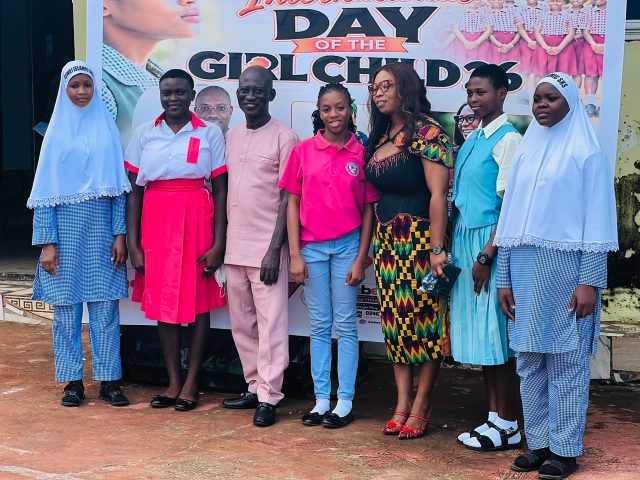
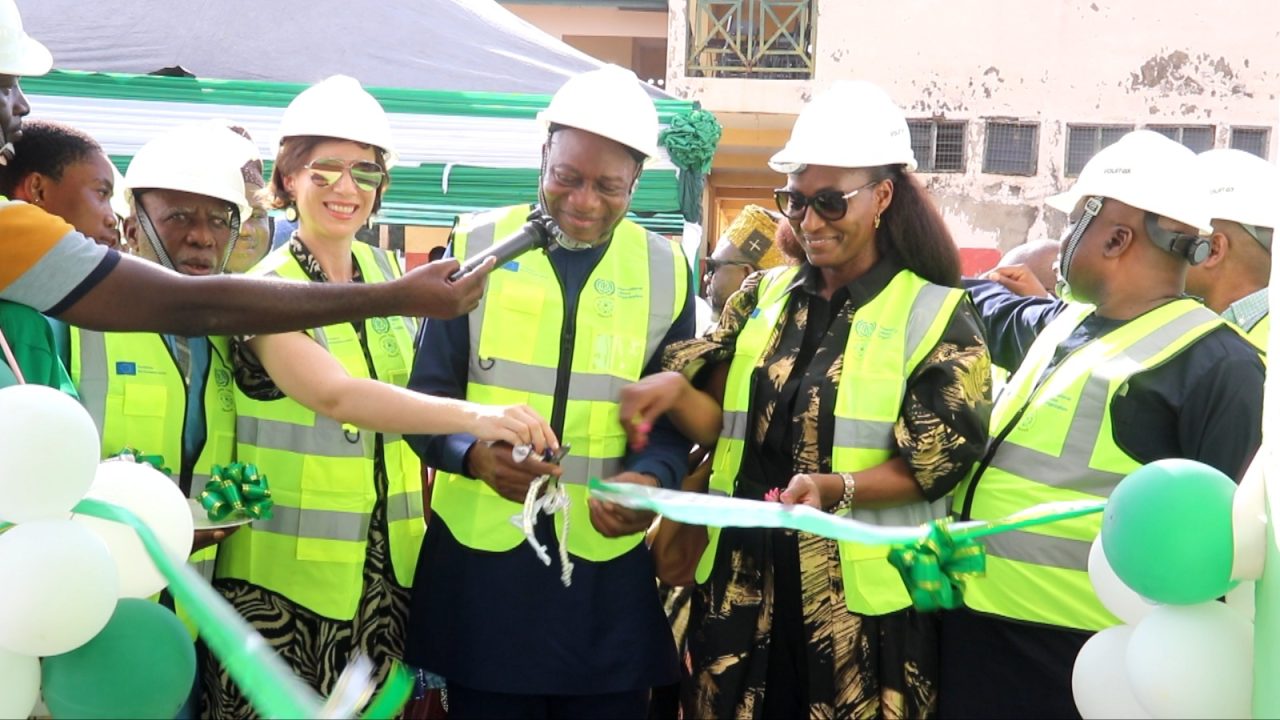
Wa Technical Institute opened a solar photovoltaic training lab this week, backed by a €17 million EU initiative aimed at equipping young Ghanaians with green economy skills. The launch on 6 June brought together officials who called for increased female enrolment in renewable energy programmes, pressing for gender balance in a field historically dominated by men.
Abdul-Rashid Pelpuo, Minister of State in charge of Special Initiatives at the Office of the President, said Ghana’s shift to green technology must provide equal opportunities for women and men. “New technologies, especially green technology taking over the world, must involve the female as much as the male,” he said at the event.
The solar PV training facility was established under the EU-Ghana Pact for Skills, a partnership between the European Union, the International Labour Organization (ILO), and the Ghana TVET Service. The initiative seeks to bridge the gap between theoretical classroom instruction and practical skills development, preparing students for jobs in renewable energy.
Dr Pelpuo emphasized that the success of the lab should be measured not by the equipment alone but by the quality of training, the competence of graduates, and their ability to secure decent work. “The real test will not be what we see at the ceremony, but what follows. That is the quality of training provided, the competence of graduates, the services they provide and the opportunities they are able to access,” he said.
He urged Wa Technical Institute and its partners to take deliberate steps to increase female participation through targeted outreach, career guidance, and creating an inclusive learning environment. “Solar PV offers meaningful opportunities for women to develop technical competence, build careers and establish enterprises,” he said. “Green skills must be inclusive skills. A stronger skills system identifies talents, develops it and gives every capable person a fair opportunity to be productive.”
The facility will allow students hands-on experience with solar PV equipment used for site assessment, installation, safety standards, performance testing, maintenance, and troubleshooting. Seidu Saaka Adams, the institute’s Principal, said the lab addresses a longstanding gap. “For a long time, we were teaching solar with no solar equipment. This lab changes everything,” he said. “Imagination alone cannot make a technician. You must see, you must touch, and you must do.”
The lab also includes training for instructors, improved digital connectivity to support blended learning, and activities to integrate environmental sustainability into technical and vocational education and training (TVET).
Gisela Spreitzhofer, EU Team Leader for the Pact for Skills, described the project as part of a broader €17 million investment to create green and digital jobs for young people across Ghana. Dr Vanessa Phala-Moyo, ILO Country Director for Nigeria, Ghana, Liberia and Sierra Leone, said equipment alone is not enough. “Equipment is only an enabler. What we have here is a complete, comprehensive value chain,” she said, referring to the combination of modern solar PV equipment, curriculum support, instructor development, practical installation, digital connectivity and greener TVET delivery. “Technology must go hand in hand with investment in people,” she added.
Dr Pelpuo called for close monitoring of how effectively the facility is used and whether training meets employer needs. He said underused equipment should prompt action to identify and remove barriers, while challenges graduates face in finding work should lead to reviewing training’s alignment with labour market demand. Emerging skills requirements should also inform curriculum development and instructor training.
The lab aims to strengthen practical solar training at Wa Technical Institute as demand for renewable energy skills grows among households, businesses, and public institutions adopting solar technology in Ghana.
According to Joy Online.