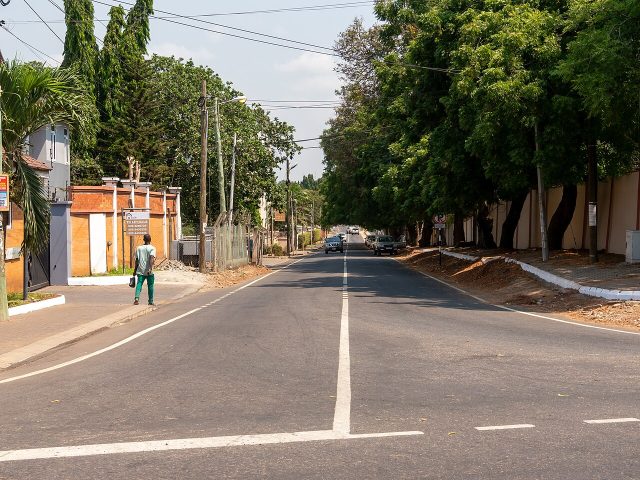
The Nungua Mantse still presides over Homowo in the old town, even as new estates spread across the land behind the beach. Nungua, on the coast between Teshie and Tema, is one of the six traditional Ga towns of the Accra plains. Its old quarter of compound houses and narrow lanes sits beside some of the city’s fastest-growing suburbs, and the two worlds meet every day on the busy Teshie-Nungua road.
A Ga town and its fishing
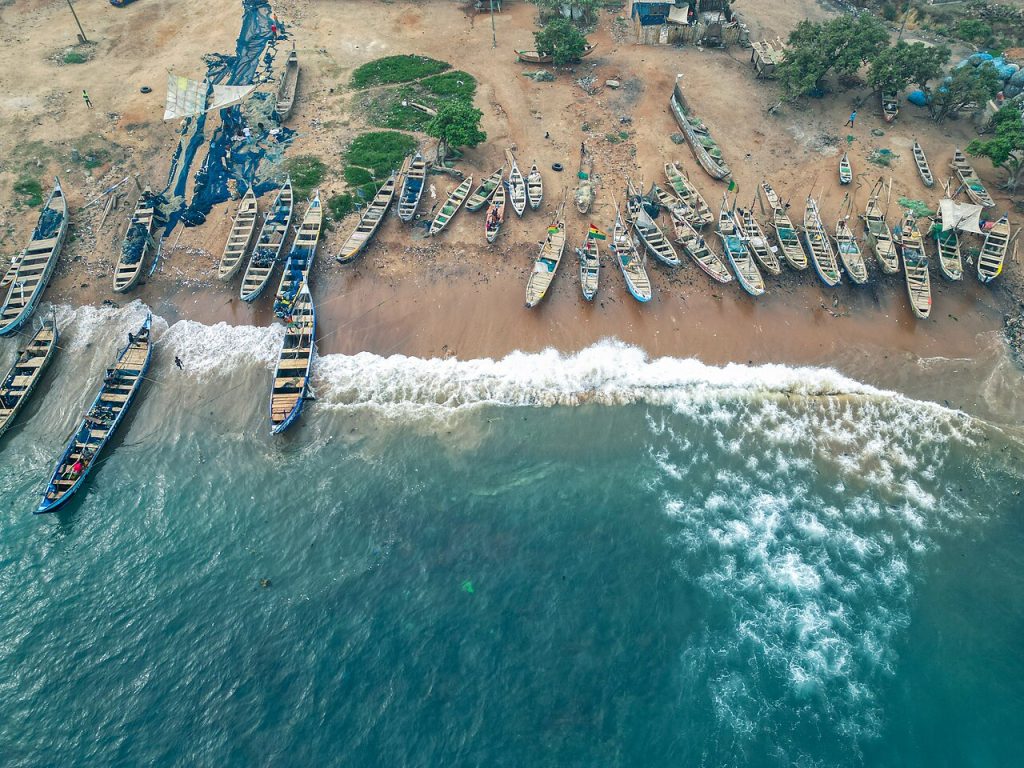
Nungua is counted among the six Ga towns, alongside Ga Mashie, Osu, La, Teshie and Tema. It has its own chief, the Nungua Mantse, its own priests and its own customs. Like the other towns, it traces its traditions to the migrations that brought the Ga to the coast centuries ago. The beach at Nungua has long been a fishing centre. Canoes go out at dawn and return with catches that women buy, smoke and sell in local markets. Declining fish stocks have made the work harder, and many young people have looked for jobs elsewhere.
Homowo and local government
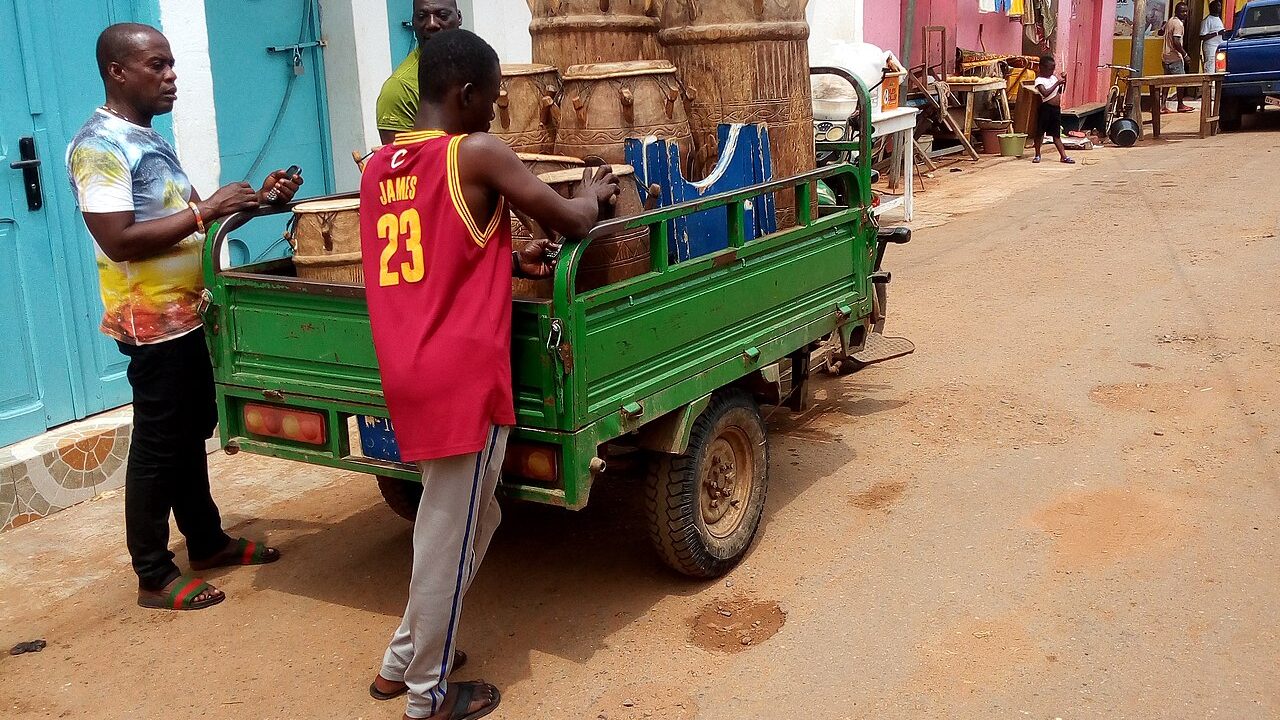
Nungua celebrates Homowo, the Ga harvest festival that “hoots at hunger”. The town observes a ban on drumming and noise before the festival, and the celebrations include processions, sprinkling of kpokpoi and family gatherings. Nungua and Teshie often hold their celebrations close together.
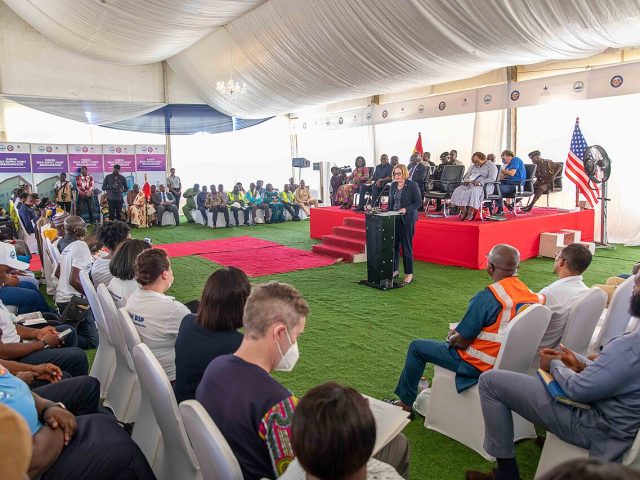
Nungua falls under the Krowor Municipal Assembly, created to manage the fast-growing area. The assembly handles sanitation, roads and markets, and like other assemblies it struggles with limited funds.
Wetlands, estates and growth
East of Nungua lie Sakumono and the Sakumo lagoon, a Ramsar wetland important for birds. Housing development has pressed against the wetland for years, raising concerns about flooding and the loss of habitat. Large residential estates have grown on land around Nungua, attracting families who work in Accra and Tema. Land prices have risen sharply, and disputes over land ownership between families and chiefs are common, as they are across the Ga towns.
Roads, schools and beaches
The Teshie-Nungua road and the coastal highway towards Tema carry heavy traffic, especially at rush hour. Residents also use the Spintex Road and the Accra-Tema motorway to reach work. The town has public and private schools, and churches of many denominations. Nungua’s churches, mosques and shrines sit close together, reflecting the mix of faiths found in Ga communities.
Parts of the coastline host beach bars and spots popular at weekends, though some stretches suffer from erosion and plastic waste washed in by the sea.
Identity
Even as newcomers arrive, many Nungua families keep close ties to the old town, returning for festivals, funerals and family meetings. That sense of belonging is part of what keeps the town distinct within greater Accra. Nungua’s new estates are full of people who arrived recently. The old town, a few minutes away, is full of people whose families have been there for centuries, and both still answer to the same festival calendar.